

Running is one of the most primal and fundamental forms of movement, ingrained in human history and evolution. But have you ever wondered when running was “invented” or how it became such an essential part of our lives? In this article, we explore the origins of running, its meaning, and why it continues to matter today.
The Meaning of Running
At its core, running is a natural, fast-paced form of locomotion that involves moving swiftly on foot. Unlike walking, running entails a phase where both feet are off the ground, allowing for greater speed and efficiency. It is a universal activity, performed by humans across cultures and ages, whether for survival, sport, or leisure.
The Origin of Running
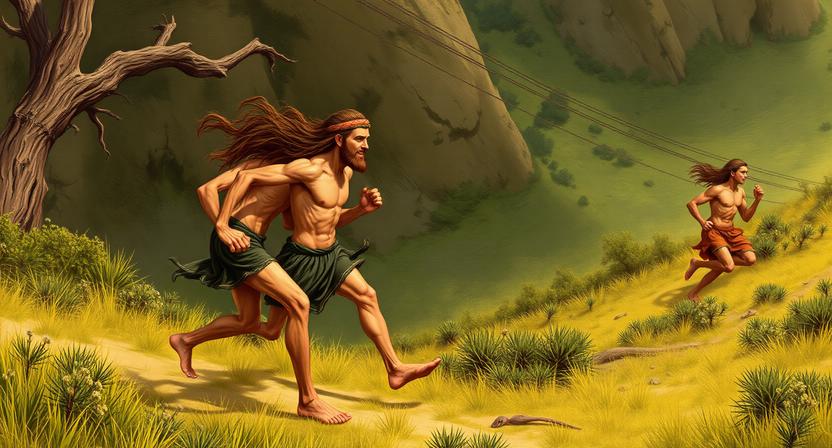
The origins of running can be traced back to early human history. Our ancestors relied on running as a vital survival skill—chasing prey, escaping predators, and covering vast terrains. Evidence suggests that humans have been running for at least 2 million years, with archaeological findings indicating that early humans used running techniques to hunt and gather.
The invention of running as a deliberate activity, separate from survival, likely emerged in ancient civilizations as a form of communication, competition, and ceremonial practice. The earliest recorded organized races date back to ancient Egypt and Greece, where running was integrated into religious festivals and athletic competitions.
Why Running Matters Today
Despite its ancient origins, running remains incredibly relevant today. It’s a powerful exercise that promotes physical health, mental well-being, and social connection. Running helps improve cardiovascular health, build strength, and reduce stress. Additionally, it has cultural significance, inspiring countless stories, traditions, and sporting events worldwide.
Furthermore, understanding the history of running enriches our appreciation for this simple yet profound activity. It reminds us that at its core, running is a natural expression of human resilience and spirit—something that has propelled us forward for millennia.
Conclusion
Running was not “invented” in the traditional sense but evolved as an innate human ability essential for survival and cultural development. From ancient hunting grounds to modern marathons, running continues to be a vital part of human life. Its history underscores our innate drive to move, compete, and connect—making it more than just a sport, but a fundamental aspect of what it means to be human.
