

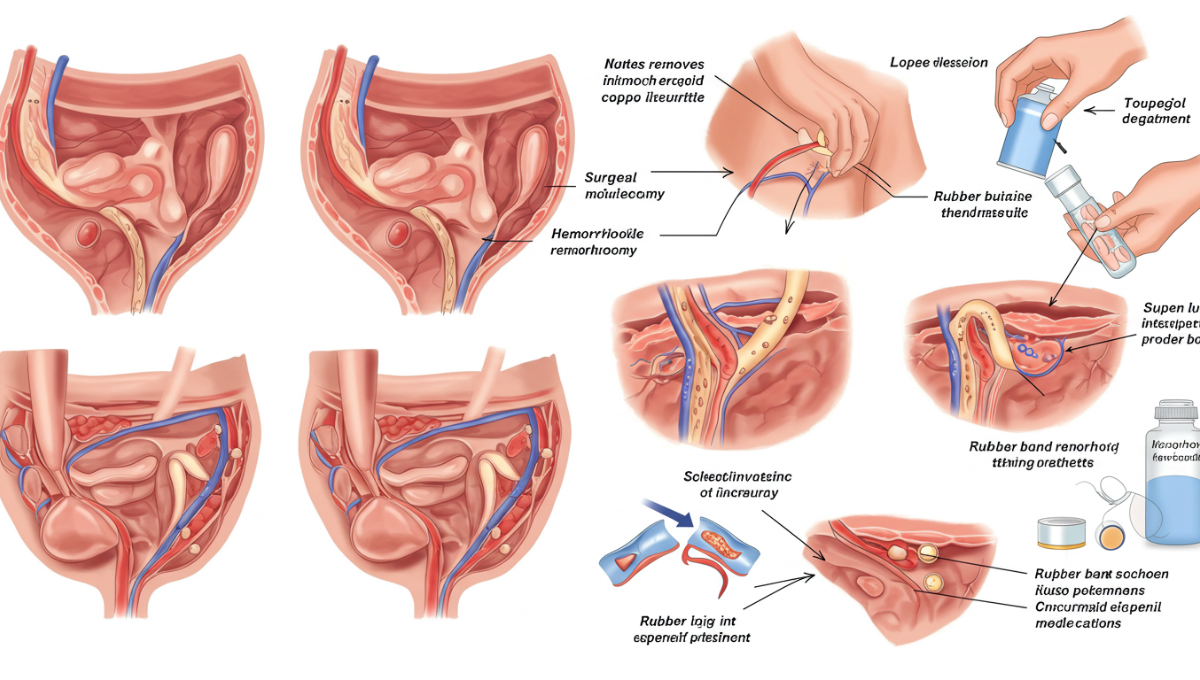
Hemorrhoids are an uncomfortable and often painful condition that many people experience at some point in their lives. Despite being a common issue, the stigma surrounding hemorrhoids can make it a difficult topic to discuss openly. Understanding the causes of hemorrhoids and exploring effective treatments can help manage and prevent this condition from becoming a recurring problem.
What Are Hemorrhoids Treatments?
Hemorrhoids refer to various methods used to alleviate the discomfort and symptoms associated with hemorrhoids. Hemorrhoids treatments address inflamed veins located in the anus or lower rectum, which typically result from prolonged sitting, excessive straining during bowel movements, or the physical stress of pregnancy.
Treatment options aim to reduce pain, inflammation, and swelling, helping to manage the condition effectively. There are both at-home treatments and medical treatments for hemorrhoids
Common Causes of Hemorrhoids
A variety of conditions and habits can lead to the formation of hemorrhoids. It’s essential to recognize these causes to reduce the risk of recurrence and effectively prevent further complications.
1. Chronic Constipation and Straining
Chronic constipation is among the leading risk factors linked to the onset of hemorrhoids When you struggle with constipation, you may have to strain excessively during bowel movements, which puts unnecessary pressure on the veins in your rectum and anus. Over time, this strain weakens the blood vessels and causes them to swell, leading to hemorrhoids.
2. Pregnancy
Pregnant women are at a higher risk of developing hemorrhoids due to increased pressure on the pelvic area from the growing uterus. The hormonal changes during pregnancy also affect blood circulation, making veins more prone to swelling. This can lead to both internal and external hemorrhoids.
3. Obesity
Being overweight can contribute to the development of hemorrhoids due to the increased pressure on the veins in the rectum and anus. The extra weight may make it more difficult to maintain regular bowel movements, leading to constipation and straining.
4. Prolonged Sitting or Standing
Jobs or daily routines that involve extended sitting or standing may heighten the likelihood of developing hemorrhoids. The lack of movement can impair blood circulation and put extra pressure on the veins in the rectal area, contributing to the development of hemorrhoids.
5. Aging
As we age, the tissues supporting the veins in the rectum and anus can weaken, making hemorrhoids more common in older adults. The elasticity of blood vessels decreases over time, and this can cause veins to enlarge and protrude, leading to hemorrhoids.
6. Low-Fiber Diet
A diet low in fiber can contribute to constipation, which in turn increases the risk of developing hemorrhoids. Fiber helps soften stool and promotes regular bowel movements, reducing the need for straining during defecation. A lack of dietary fiber can result in hard, difficult-to-pass stools, which often causes unnecessary straining.
7. Heavy Lifting
Lifting heavy objects or engaging in strenuous physical activity can put significant pressure on the veins in the rectum. This pressure, combined with the potential for straining, can lead to hemorrhoids over time.
Symptoms of Hemorrhoids
Knowing the signs and symptoms of hemorrhoids can help you identify the problem early on and take action before it becomes more severe. Common symptoms include:
- Pain or discomfort, especially during or after bowel movements
- Itching or irritation around the anus
- Swelling or a lump near the anus (external hemorrhoids)
- Noticing bright red blood on toilet paper or in the toilet after a bowel movement
- Mucus discharge after bowel movements
- That frustrating sensation of not fully emptying your bowels, even after you’ve just used the bathroom
Hemorrhoids Treatments: How to Prevent and Manage the Condition
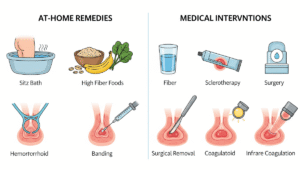
Fortunately, hemorrhoids can be treated effectively through a combination of lifestyle changes, home remedies, and medical interventions. The goal of treatment is not only to relieve discomfort but also to prevent future flare-ups.
Regular Exercise
Exercise helps maintain healthy bowel movements and prevents constipation. Regular physical activity promotes blood flow and keeps veins strong. Give your body the care it deserves—just 30 minutes of moderate activity like walking, swimming, or cycling most days can make a world of difference.
Over-the-Counter Creams and Ointments
For those experiencing discomfort from hemorrhoids, over-the-counter creams and ointments can provide relief. These products often contain hydrocortisone, witch hazel, or other soothing ingredients that help reduce swelling, itching, and pain. Using them according to the instructions can help alleviate symptoms while you work on preventive measures.
Warm Baths (Sitz Baths)
Soaking in a warm bath for 10–15 minutes a few times a day can help relieve pain and reduce inflammation. This is particularly effective for those with external hemorrhoids. A sitz bath, where only the lower half of the body is submerged in warm water, is ideal for soothing hemorrhoidal discomfort.
Avoiding Prolonged Sitting or Standing
As mentioned earlier, sitting or standing for long periods can worsen hemorrhoid symptoms. If your daily routine requires you to sit for extended periods, take breaks every 30 minutes to stand up and move around. This improves circulation and reduces pressure on the veins.
When to Seek Medical Treatment
In some cases, hemorrhoids may require medical treatment. If conservative methods don’t provide relief or if hemorrhoids cause significant pain or bleeding, more advanced treatments may be necessary. These treatments can include:
- Rubber band ligation: A band is placed around the base of an internal hemorrhoid to cut off its blood supply, causing it to shrink and fall off.
- Sclerotherapy: offers hope by injecting a special solution into the hemorrhoid, gently causing it to shrink and bring much-needed relief.
- Surgical removal: In severe cases, hemorrhoids may need to be surgically removed (hemorrhoidectomy).
Natural Remedies
Some people find relief from hemorrhoids through natural remedies, such as applying aloe vera gel or witch hazel to the affected area. These remedies can provide soothing effects, although they may not treat the underlying cause of hemorrhoids.
Maintaining a Healthy Weight
Losing excess weight through a combination of diet and exercise can reduce pressure on the rectal veins. For those struggling with obesity, weight loss can significantly decrease the frequency and severity of hemorrhoid flare-ups.
