

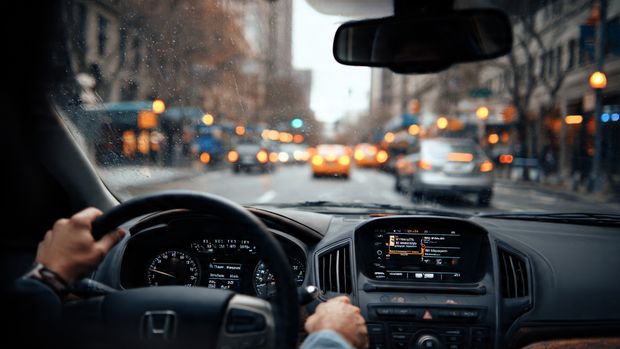
Ride-sharing has transformed modern transportation, but it has also introduced new legal complexities.
One of the most misunderstood areas involves backup driver Uber accident liability, especially when accidents occur under unusual circumstances.
Many riders, drivers, and even vehicle owners are unsure who is legally responsible when a backup or secondary driver is involved.
Understanding how liability works in these cases is critical for protecting rights, finances, and legal standing.
This guide breaks down the legal structure behind Uber accident liability and explains how backup drivers fit into the equation.
What Is a Backup Driver in the Uber Context?

A backup driver typically refers to someone driving a vehicle associated with an Uber account but who may not be the primary registered driver.
This can include temporary replacements, shared vehicle arrangements, or unauthorized drivers.
Uber’s policies are strict about who is allowed to operate a vehicle on the platform.
Only drivers who have been approved, background-checked, and registered are permitted to accept rides.
When a backup driver operates outside these rules, liability becomes more complex and often disputed.
How Uber’s Insurance Coverage Normally Works
Uber provides tiered insurance coverage depending on the driver’s status at the time of an accident.
This structure is central to understanding liability.
When the app is off, Uber typically provides no coverage.
When the app is on but no ride is accepted, limited liability coverage applies.
Once a ride is accepted or a passenger is in the vehicle, Uber’s commercial insurance policy offers significantly higher coverage limits.
This includes liability for bodily injury, property damage, and sometimes uninsured motorist coverage.
Where Backup Drivers Change the Liability Equation
Backup drivers introduce legal uncertainty because Uber’s insurance coverage applies only to approved drivers.
If a backup driver causes an accident, Uber may deny coverage entirely.
In such cases, responsibility may shift to the vehicle owner’s personal insurance.
If that policy excludes commercial use, coverage may also be denied.
This can leave injured parties pursuing compensation directly from the backup driver or vehicle owner.

Who Is Liable in a Backup Driver Uber Accident?
Liability depends on several factors, including authorization, app status, and insurance terms.
Each case is evaluated individually.
If the backup driver was unauthorized, Uber often argues that it bears no responsibility.
The backup driver may be personally liable for damages.
If the vehicle owner knowingly allowed an unauthorized driver to operate the car, they may also share liability.
Courts may view this as negligent entrustment.
In rare cases where the backup driver is properly registered and approved, Uber’s insurance may apply.
This is why driver authorization status is so critical.
Passenger Rights After a Backup Driver Accident
Passengers injured in a backup driver Uber accident still have legal rights.
However, the path to compensation may be less straightforward.
Passengers can pursue claims against the driver, vehicle owner, and applicable insurance providers.
Medical expenses, lost wages, and pain and suffering may be recoverable.
Legal representation is often essential in these cases due to insurance disputes and liability denials.
An experienced attorney can identify all possible sources of compensation.
How Insurance Companies Handle These Claims
Insurance companies closely examine whether Uber’s policies were followed.
Any deviation can be grounds for denying coverage.
They review driver registration status, app activity logs, and vehicle ownership records.
Statements made immediately after the accident can also affect claim outcomes.
Because insurers prioritize minimizing payouts, claimants must be prepared for delays and disputes.
Proper documentation significantly strengthens a claim.
Legal Risks for Drivers Using Backup Arrangements
Drivers who allow backup drivers face serious legal and financial risks.
Violating Uber’s terms can result in permanent deactivation.
More importantly, it can expose drivers to personal liability for accident damages.
Without insurance coverage, costs can be devastating.
Understanding and following Uber’s driver policies is not optional—it is essential protection.
How to Protect Yourself as a Driver or Passenger
Prevention is the strongest defense against liability disputes.
Drivers should never allow unauthorized individuals to operate their Uber vehicle.
Passengers should verify driver identity through the app before entering the vehicle.
Reporting discrepancies immediately helps preserve safety and legal rights.
Keeping records, screenshots, and medical documentation after an accident strengthens any future claim.
Early legal advice can prevent costly mistakes.
Why Backup Driver Liability Matters More Than Ever
As ride-sharing continues to grow, courts are seeing more complex liability cases.
Backup driver accidents sit at the intersection of personal insurance, commercial coverage, and corporate policy.
Understanding these dynamics protects not only accident victims but also drivers and vehicle owners.
Clarity around liability reduces confusion and improves accountability.
This knowledge empowers individuals to make informed decisions in ride-sharing environments.
Final Thoughts
Backup driver Uber accident liability is a legally complex issue with serious consequences.
Responsibility depends on driver authorization, insurance coverage, and adherence to Uber’s policies.
While Uber provides strong protection under normal circumstances, that protection can disappear when backup drivers are involved.
Understanding these risks is essential for anyone participating in ride-sharing services.
By knowing how liability works and taking preventative steps, drivers and passengers alike can navigate these situations with confidence and clarity.
