

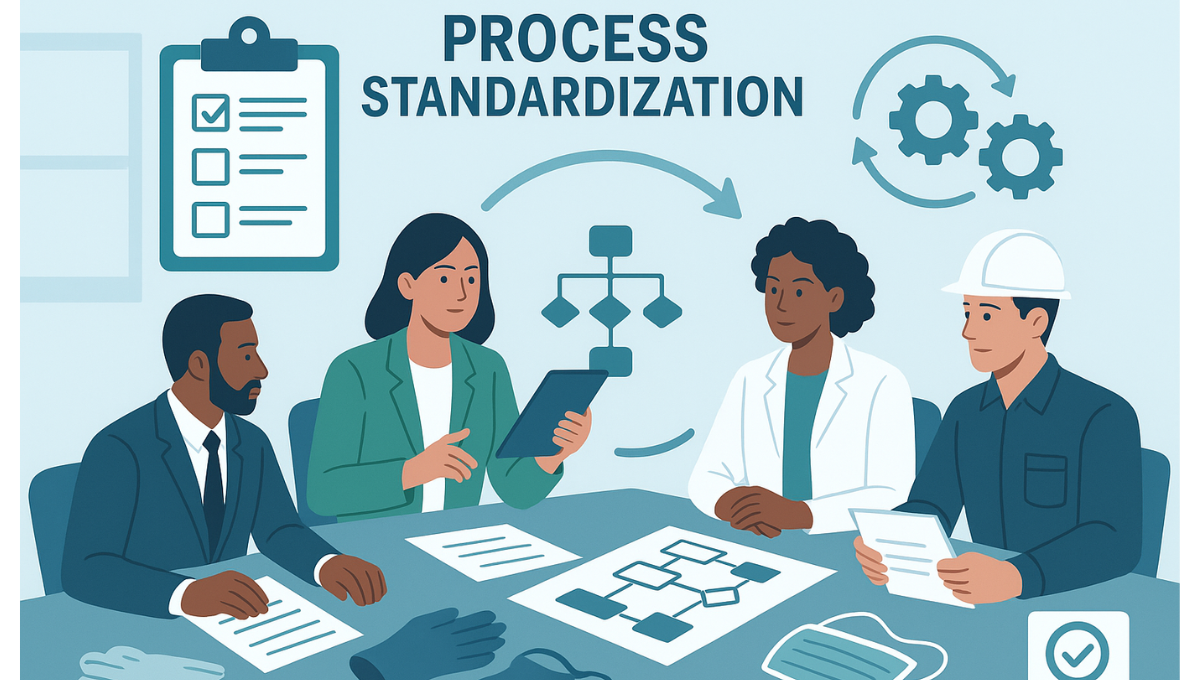
In the corporate world, healthcare, the food industry, and many other sectors, process standardization is essential to ensure efficiency, safety, and quality. One of the primary tools to achieve these goals is the Protocolo Operacional Padrão (POP). This document is a detailed, systematic guideline that describes step-by-step activities to be performed, ensuring procedures are carried out uniformly and consistently.
In this article, we will explore in-depth what a Protocolo Operacional Padrão is, its importance, how to develop one, its benefits, and key tips for effective implementation.
What is a Protocolo Operacional Padrão (POP)?
The Protocolo Operacional Padrão is a technical document that meticulously describes, in a clear and precise manner, the procedures necessary to perform a specific activity. It serves as a reference for employees, ensuring tasks are executed uniformly, reducing errors, increasing efficiency, and guaranteeing the quality of the final outcome.
Main Characteristics of a Protocolo Operacional Padrão:
- Standardization: uniform for all team members.
- Determinism: describes specific actions and sequences.
- Documentation: formal, accessible, and reviewable.
- Training: foundation for staff training and ongoing improvement.
The Importance of a Protocolo Operacional Padrão
Implementing a Protocolo Operacional Padrão offers numerous benefits for an organization:
1. Quality and Safety
Following standardized procedures minimizes risks of errors, accidents, and deviations, ensuring greater safety for employees and clients.
2. Consistency of Results
Ensures that processes are performed the same way, regardless of who executes them, promoting uniformity in product or service delivery.
3. Training and Capacity Building
Facilitates onboarding and continuous staff development by providing a clear operational guide.
4. Regulatory and Legal Compliance
Helps adhere to industry norms and legal standards, avoiding penalties and legal issues.
5. Continuous Improvement
Enables monitoring, evaluation, and process enhancement, fostering innovation and efficiency.
How to Develop an Effective Protocolo Operacional Padrão
Creating an effective Protocolo Operacional Padrão requires planning, detailed descriptions, and ongoing review. Follow these steps to craft a useful document:
1. Identify the Process
Select which activity will be standardized. It could be a routine task, a high-risk operation, or an activity requiring uniformity.
2. Gather Information
Collect insights from staff involved in the activity, observe the procedure in practice, and consult regulatory standards.
3. Define the Scope
Clearly outline the purpose, boundaries, and responsible personnel.
4. Develop the Content
Describe all activities step-by-step, including:
- Necessary materials and equipment.
- Environmental preparations.
- Specific procedural steps.
- Safety standards.
- Quality control criteria.
5. Review and Validation
Have the draft reviewed by experienced professionals, supervisors, or specialists to ensure accuracy and clarity.
6. Training
Train staff to ensure understanding and proper execution of the Protocolo Operacional Padrão.
7. Implementation
Officially distribute and begin applying the standardized procedure.
8. Monitoring and Improvement
Track execution, gather feedback, and periodically revise the Protocolo Operacional Padrão for continuous improvement.
Structure of a Protocolo Operacional Padrão
A well-structured Protocolo Operacional Padrão typically includes:
- Title: Name of the procedure.
- Identification Code: Document number or code.
- Creation and Revision Date: Version control.
- Responsible Party: Author and approver.
- Objective: Purpose of the procedure.
- Scope: Boundaries and applicability.
- Materials and Equipment: List of required items.
- Step-by-step Procedure: Clear, sequential instructions.
- Quality and Safety Criteria: Standards and norms.
- Attachments: Diagrams, photos, forms, or checklists.
- Signatures: Validation by responsible persons.
Examples of Protocolo Operacional Padrão Usage
- Food Industry: Standardization of equipment cleaning processes.
- Healthcare: Sterilization procedures for instruments.
- Construction: Safety inspection procedures on site.
- Technology: Routine data backup processes.
Tips for Successful Implementation of a Protocolo Operacional Padrão
- Involve the team: Gather suggestions and feedback from staff.
- Be clear and concise: Use accessible language and visuals.
- Update regularly: Revise the Protocolo Operacional Padrão whenever processes change.
- Provide ongoing training: Conduct regular refresher courses.
- Monitor results: Evaluate effectiveness and make adjustments as needed.
Conclusion
The Protocolo Operacional Padrão (POP) is an essential tool to ensure operational efficiency, safety, and quality within any organization. Its careful development and effective implementation promote well-organized routines, contributing to operational success and regulatory compliance.
Investing in well-structured Protocolo Operacional Padrão is investing in operational excellence, staff safety, and customer satisfaction. Make the Protocolo Operacional Padrão a priority in your management strategy and enjoy the benefits of standardized, controlled processes.
