

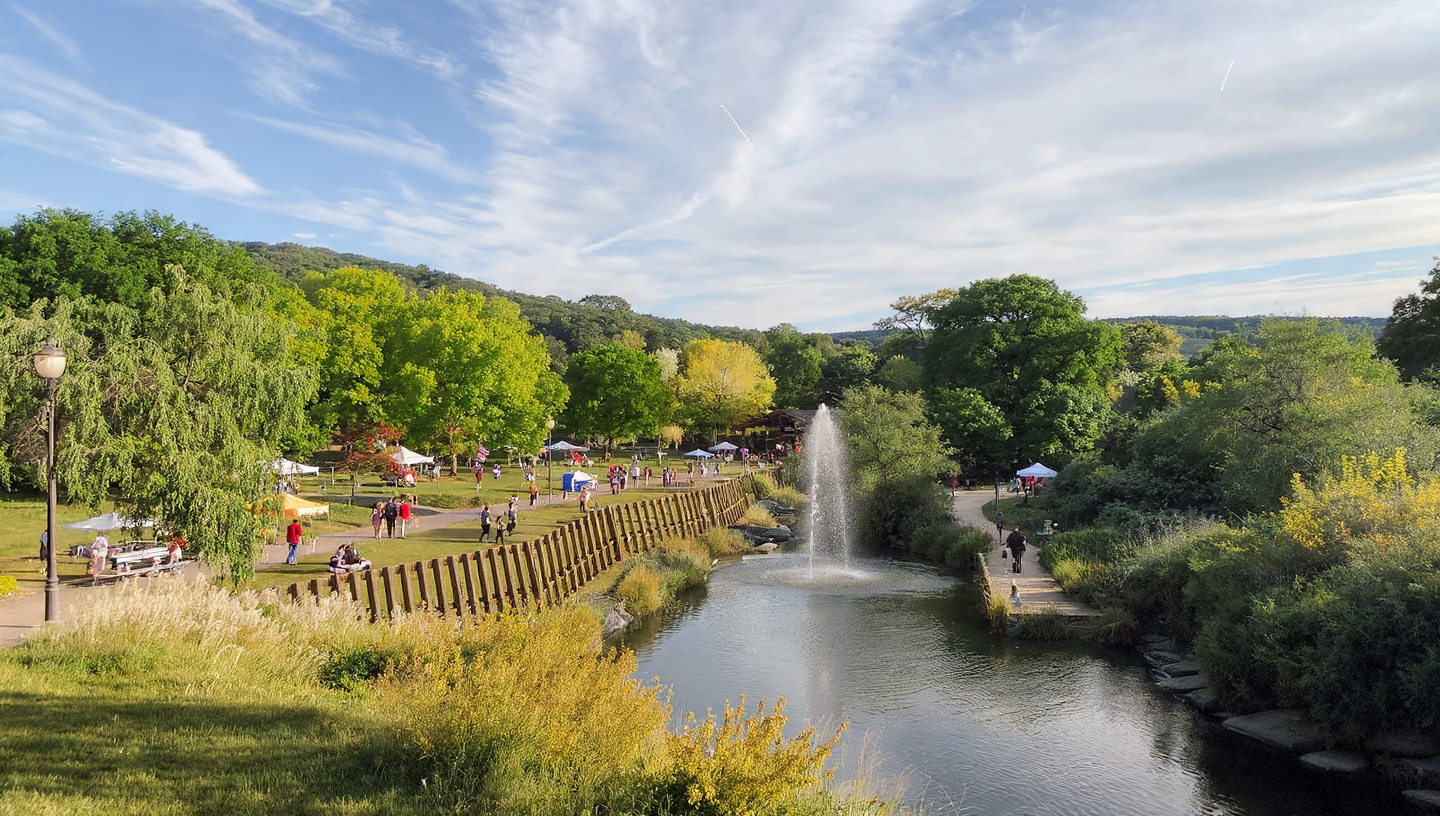
Lititz Springs Park has long been one of the most beloved gathering places in Lancaster County.
For decades, the historic park has hosted concerts, festivals, art shows, food truck events, and community celebrations that attract thousands of visitors every year.
However, new event restrictions are changing how the park will be used in the future.
Beginning in 2026, the park’s board implemented significant limits on large events to protect the grounds, improve sustainability, and allow restoration work to move forward.
This guide explains the new rules, why they were introduced, and what visitors and event organizers should expect going forward.
Why New Event Restrictions Were Introduced
The decision to restrict large events at Lititz Springs Park was not made lightly.
Park trustees announced the change after noticing increasing damage to the park’s landscape caused by heavy event use and environmental challenges.
Large gatherings often bring thousands of visitors at once, which puts pressure on grass, tree roots, and walking paths. Over time, this heavy foot traffic has led to soil erosion and areas where grass can no longer grow properly.
Flooding has also become a growing problem. In recent years, storms and heavy rainfall have caused parts of the park to flood, including shortly before major events such as the Independence Day celebration.
These issues significantly increased maintenance costs and made it difficult to maintain safe surfaces for visitors.
Because of these concerns, the park board decided that limiting large-scale events would help preserve the park’s natural beauty and ensure its long-term sustainability.
When the New Restrictions Take Effect
The event restrictions officially begin on January 1, 2026.
From this date onward, most large public events will no longer be permitted inside Lititz Springs Park.
The policy change was announced several years in advance to give organizations and event planners time to find alternative venues.
Many festivals and community gatherings that were traditionally held in the park are now relocating to other areas of Lititz or nearby communities.
While the change may feel significant, the goal is to allow the park’s restoration projects to progress and restore the grounds to a healthier condition.
Events That Will No Longer Be Held at the Park
Before the restrictions were introduced, Lititz Springs Park hosted numerous large events every year.
These included festivals, concerts, food truck gatherings, and cultural celebrations that drew crowds from across Lancaster County.
Some examples of events that previously took place in the park include:
-
Community food truck festivals
-
Art shows and craft fairs
-
Cultural festivals
-
Pride celebrations
-
Church gatherings and concerts
Under the new policy, events that attract large crowds or require extensive infrastructure will generally need to move to other locations.
This change ensures the park remains primarily a recreational space rather than a major event venue.
Events That Are Still Allowed
Although the restrictions limit large gatherings, the park is not closing its doors to all activities.
Smaller community events and regular park programming can still take place.
Examples of events that may continue include:
-
Farmers markets
-
Community worship services
-
Family-focused activities such as children’s events
-
Seasonal celebrations with smaller attendance
These events typically involve fewer visitors and require less equipment, which reduces strain on the park’s grounds.
By focusing on smaller gatherings, park officials hope to maintain the community spirit of Lititz Springs Park while protecting its environment.
The Major Exception: The Fourth of July Celebration
One event will continue despite the new restrictions — the historic Independence Day celebration held at the park.
This tradition has been part of the community for more than two centuries and remains the park’s primary fundraiser.
Because of its historical significance and contractual obligations tied to the park’s operating agreement, the event will still be hosted at the park each year.
The Fourth of July celebration regularly attracts thousands of visitors and features activities such as fireworks, music, and the well-known “Queen of Candles” ceremony.
Keeping this event ensures that the community can still enjoy one of Lititz’s most iconic traditions.
Restoration Plans for the Park
The event restrictions are closely tied to a larger restoration plan for Lititz Springs Park.
Officials aim to repair damaged grass areas, improve drainage, and strengthen the park’s infrastructure so it can better handle environmental challenges.
Some of the restoration goals include:
-
Improving drainage to reduce flooding
-
Replanting grass and vegetation
-
Restoring walking paths and natural areas
-
Preserving the park’s historic landscape
By reducing heavy event traffic, the park will have time to recover and undergo improvements that support long-term environmental health.
What the Changes Mean for Visitors
For everyday visitors, the new rules may actually improve the park experience.
With fewer large crowds and less event infrastructure, the park will remain quieter and more accessible for walking, picnics, and family outings.
Visitors can still enjoy the park’s scenic beauty, historic features, and community atmosphere without the disruption caused by large festivals.
At the same time, the restoration work will help ensure that Lititz Springs Park continues to be a safe and enjoyable destination for future generations.
Final Thoughts
The new event policies represent an important shift in how Lititz Springs Park will be used in the coming years.
While the restrictions may require some adjustments for event organizers and the community, they are designed to protect one of Lititz’s most treasured public spaces.
By prioritizing restoration and environmental sustainability, park officials hope to preserve the park’s charm, history, and natural beauty for decades to come.
In the end, the changes ensure that Lititz Springs Park remains not just a venue for events, but a peaceful community landmark where residents and visitors can gather, relax, and enjoy nature.
