

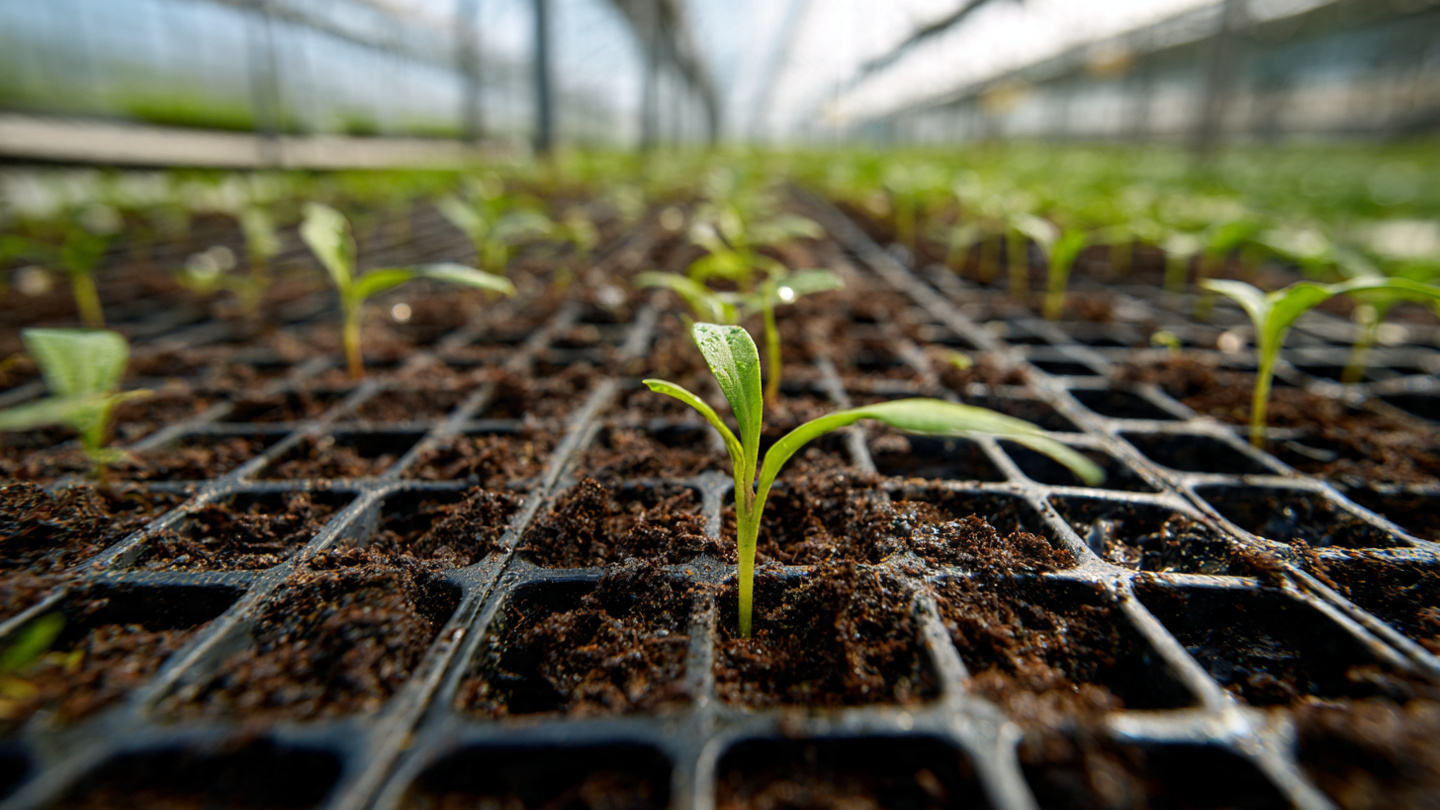
In the world of agriculture and gardening, successful seed germination remains a foundational step toward healthy plant growth.
Germination itself is the biological process by which a seed begins to grow into a seedling, involving water absorption, metabolic activation, and the emergence of the embryonic root and shoot.
However, traditional germination methods rely heavily on natural conditions such as soil moisture, temperature fluctuations, and light exposure, making the process unpredictable.
As a result, growers and gardeners have increasingly turned toward controlled environments that optimize the early stages of seed growth.
A germinatoire — a term rooted in horticultural practice — refers to a specialized space or system designed to create precisely the right conditions for seeds to sprout.
In 2026, germinatoires are becoming recognized as a key tool for reliable, year‑round plant propagation among both commercial growers and dedicated hobbyists.
Understanding Seed Germination: The Basics
Before exploring advanced germinatoire systems, it’s essential to understand what happens inside a seed.
Seed germination begins when a dry seed absorbs water in a process called imbibition, which triggers metabolic processes that had been dormant.
Once water enters the seed, enzymes activate and respiration increases, preparing the seed for growth.
The radicle — the embryonic root — typically emerges first, anchoring the seedling and starting nutrient uptake.
Seeds vary widely in their dormancy requirements; some need cold stratification or specific light conditions before they germinate.
By influencing temperature, moisture, oxygen, and light in a controlled setting, a germinatoire removes much of this guesswork, making germination more predictable and efficient.
What Is a Germinatoire? A Controlled Germination Environment
A germinatoire can take many forms — from simple humidity‑controlled chambers used by home gardeners to sophisticated climate‑regulated rooms in nurseries and agricultural facilities.
What all germinatoires share in common is the ability to precisely regulate factors that influence seed sprouting.
In a germinatoire, growers can set ideal temperature ranges that support metabolic reactivation in seeds.
Moisture levels are also closely monitored to prevent seeds from drying out or becoming waterlogged — both extremes that can prevent successful sprouting.
Light management is another essential element. Some seeds require exposure to specific wavelengths, while others may germinate best in darkness.
By controlling light exposure, a germinatoire helps seeds complete these early stages of growth under optimal conditions.
Benefits for Growers and Gardeners
One of the main advantages of using a germinatoire is the improvement in uniformity and success rate of germination.
Under conventional outdoor sowing, environmental variables like uneven moisture or sudden temperature changes can delay or inhibit sprouting altogether.
By contrast, a controlled germinatoire ensures that all seeds experience consistent conditions, leading to faster and more uniform emergence.
This is especially valuable for commercial growers who depend on timing and consistency to meet production schedules.
Germinatoires also reduce the risk of seedling diseases associated with poor soil conditions or fluctuating weather.
Controlled humidity and ventilation help minimize fungal growth and damping‑off, common issues in early plant development.
For hobby gardeners and nurseries alike, germinatoires offer a reliable way to start delicate or slow‑germinating seeds that might otherwise fail outdoors.
Even in climates with short growing seasons, a germinatoire allows early starts indoors, ensuring plants are ready for transplant when outdoor conditions improve.
Innovations Shaping the Future of Germination
Technological advancements continue to expand the capabilities of modern germinatoires.
New systems employ sensors and automation to adjust humidity, temperature, and light in real time, optimizing conditions as seeds transition through different stages of germination.
Emerging research also explores how combining controlled environments with seed priming techniques accelerates sprouting and improves vigor. These methods, including hydro‑priming and magneto‑priming, precondition seeds before they enter the germinatoire, reducing dormancy and supporting uniform growth.
Additionally, automated imaging and machine‑learning tools are being developed to monitor seed health and emergence patterns, alerting growers if parameters require adjustment.
This level of precision turns what was once a manual, trial‑and‑error process into a data‑informed practice that saves time and resources.
Practical Tips for Using a Germinatoire in 2026
When setting up a germinatoire, the choice of growing medium is critical.
A clean, well‑draining medium such as sterilized peat, coco coir, or commercial seed‑starting mix helps provide both moisture retention and aeration.
Temperature control should align with seed species needs; many temperate crops germinate best between 20°C and 30°C, though specific requirements vary.
Regularly checking seed packets or propagation guides helps users fine‑tune these conditions for optimal results.
Proper ventilation is equally important.
Seeds need oxygen for respiration, so ensuring adequate airflow prevents stagnant conditions that can inhibit growth or promote disease.
Finally, patience and observation are key.
Even in a germinatoire, different species will sprout at different rates, so keeping detailed notes improves outcomes over time.
Conclusion: A Brighter Future for Seed Germination
The germinatoire represents a significant evolution in how growers and gardeners approach seed propagation.
By harnessing controlled environments and technological advancements, germinatoires make seed sprouting more reliable, efficient, and adaptable to a wide range of conditions.
As innovations continue to expand germination science and automation, these systems will become increasingly important tools for anyone looking to maximize seed success in 2026 and beyond.
For growers and gardeners alike, understanding and utilizing a germinatoire can transform the early stages of plant cultivation from a gamble into a predictable step toward growth.
