

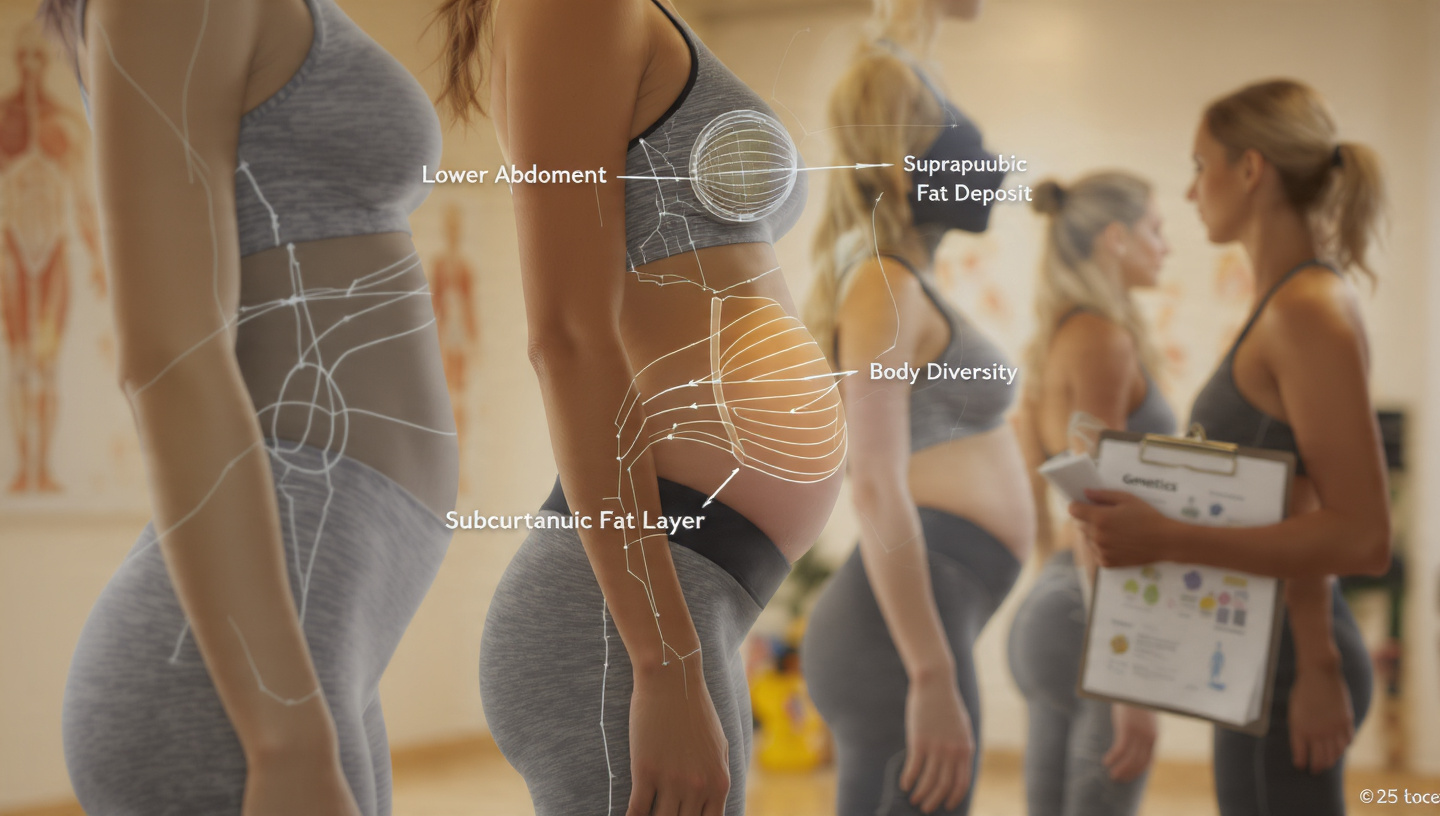
FUPA is a slang term that has become widely recognized in conversations about body image, fitness, and health.
Although it isn’t a clinical medical term, the phrase is used to describe a specific region of the body where fat tends to accumulate — the area just above the pubic bone.
Understanding what FUPA refers to, what causes it, and how people think about it today can help reduce stigma and encourage healthier, more respectful discussions about body shape and wellness.
This article explains the meaning of FUPA, the factors that contribute to its appearance, its health implications, and how cultural attitudes toward it have evolved.
What FUPA Means
The acronym FUPA stands for “Fat Upper Pubic Area.”
It is a slang phrase used to describe a concentration of subcutaneous fat — the type of fat located just under the skin — in the region above the pubic bone and below the lower abdomen.
While the term originally emerged informally through online culture and humor, it has come to represent a real anatomical feature that many people experience.
In clinical or medical contexts, professionals typically describe this region with terms like suprapubic fat or refer to broader lower‑abdominal fat deposits, rather than using the slang term.
FUPA is not a medical diagnosis but rather a descriptor used in common language to discuss body shape, weight distribution, and sometimes clothing fit or personal comfort.
Common Causes of FUPA
A FUPA does not develop for a single reason, and multiple biological and lifestyle factors can influence its appearance.
One key factor is genetics, as DNA determines where an individual’s body tends to store fat. Some people are more predisposed to accumulate fat in the lower abdominal region, including the upper pubic area.
Weight changes, whether gain or loss, can also contribute. When a person gains weight, fat can accumulate in various areas, including the FUPA region.
Conversely, rapid weight loss — such as after strict dieting or bariatric surgery — may leave loose skin that makes fat pockets more noticeable.
Pregnancy and childbirth are common contributors, particularly for women. During pregnancy, the body naturally stores fat and stretches abdominal muscles and skin. After childbirth, this can result in a more pronounced lower‑abdominal area.
Hormonal changes and aging also influence how fat is distributed. For example, fluctuations in hormones like estrogen, cortisol, and insulin — whether from menopause, stress, or metabolic shifts — can affect where the body stores fat.
Finally, lifestyle factors including diet, physical activity level, and overall fat composition in the body influence how noticeable a FUPA appears, though they don’t determine it alone.
Health Facts and Considerations
It’s important to note that a FUPA itself is not inherently a health condition.
The fat in this region is subcutaneous fat, which lies beneath the skin and is different from visceral fat, the type that surrounds internal organs and is more closely related to metabolic health risks such as heart disease or diabetes.
However, excess abdominal fat — in general — can be associated with broader health concerns, especially when it reflects overall body fat levels.
This means that while the presence of a FUPA alone may not signal health problems, the underlying factors contributing to it — like sedentary lifestyle or significant weight gain — can relate to conditions such as insulin resistance or cardiovascular strain when combined with other risk factors.
Some people also experience skin irritation, chafing, or discomfort in the FUPA area due to friction, especially in warm climates or during physical activity. This is more of a comfort issue than a disease state.
Addressing a FUPA
Because there’s no way to target fat loss in one specific area of the body — a concept medical professionals call spot reduction — approaches to reduce the appearance of a FUPA focus on overall body fat reduction.
This is commonly achieved through a combination of balanced nutrition, calorie‑controlled diets, and regular physical activity that strengthens core muscles and supports whole‑body fat loss.
Exercises like planks, leg raises, and core‑strengthening routines can help tone the muscles beneath the area, though they won’t specifically reduce fat deposits there unless accompanied by overall weight loss.
For those seeking more immediate or targeted changes, medical and surgical options such as liposuction or a mons pubis lift (monsplasty) are available choices. These procedures remove excess fat or skin but involve recovery time and potential surgical risks, so they should be discussed thoroughly with a qualified healthcare provider.
Modern Perspectives and Body Positivity
In recent years, cultural attitudes toward body features like FUPA have shifted significantly.
Public figures and influencers have spoken openly about natural body variations, helping to reduce stigma and promote body positivity. For example, some high‑profile voices highlighted their own post‑pregnancy body changes in mainstream media, bringing attention to the normalcy of fat distribution and encouraging acceptance.
This modern perspective challenges harsh social media narratives that equate certain body shapes with negative judgments.
Instead, many health and wellness communities emphasize understanding one’s body, respecting individual differences, and focusing on overall health and well‑being rather than purely aesthetic ideals.
Ultimately, whether someone chooses to embrace their natural body shape or pursue lifestyle changes, informed decision‑making backed by accurate health information and self‑compassion is key.
Conclusion
The term FUPA — Fat Upper Pubic Area — describes a common physical feature that many people experience.
Though it stems from slang rather than medical terminology, the concept reflects real patterns of fat storage influenced by genetics, life stages, and body changes.
Understanding its meaning and causes, recognizing how it fits into overall health, and adopting a respectful perspective toward body diversity can help foster healthier conversations about body image and wellbeing in the modern era.
