

Smartphones are no longer just advanced gadgets for tech enthusiasts. They have become essential tools for communication and everyday tasks for everyone, including non-tech users. These individuals prioritize ease of use, dependability, and safety over cutting-edge technology. They seek devices that simplify tasks without a steep learning curve. For example, buyers comparing devices often check the HONOR Magic V5 price to find a model that balances simplicity with solid performance. In this guide, we delve into the essential smartphone features that non-tech users truly value to gain confidence and satisfaction in their digital experience.
Simplicity & Ease of Use
Clean Interface & Big Buttons
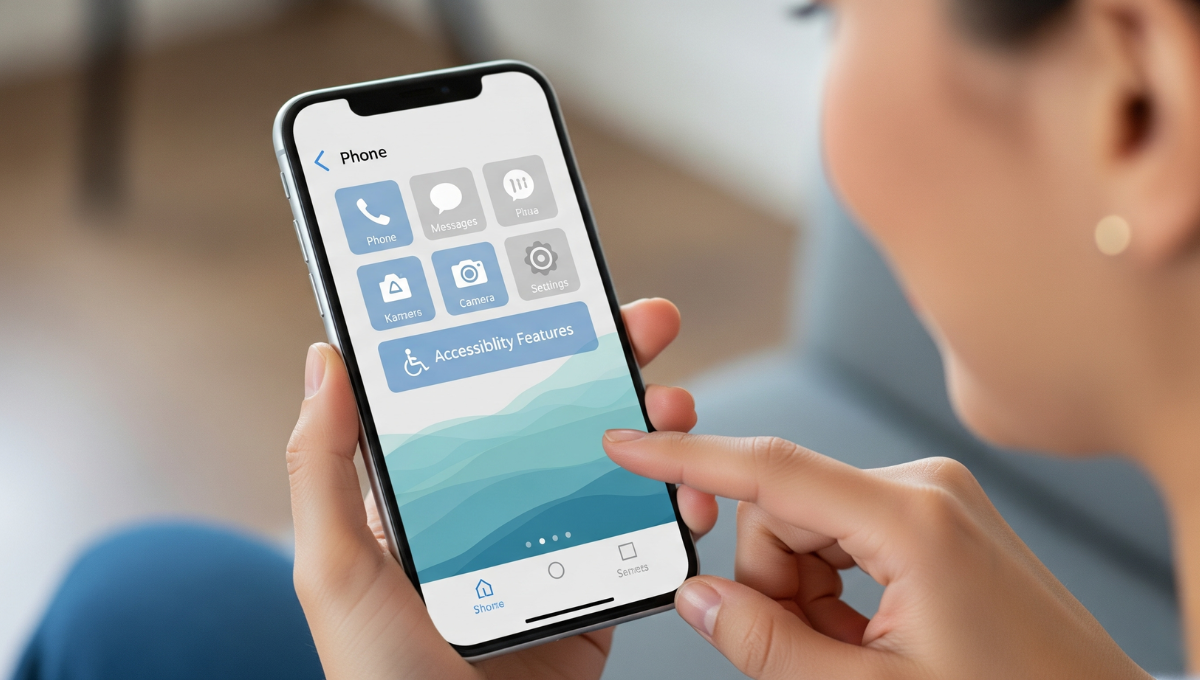
A smartphone’s interface should be an ally, not a barrier. For non-tech users, navigating through countless icons and cryptic settings can be off-putting. They prefer a simple, clean interface where big, clear buttons dominate. More enjoyable interaction comes from larger, well-labeled icons and smooth transitions. Simplifying the home screen with easy-to-access essentials and minimized options reduces cognitive overload. These users treasure an operating system that foregoes unnecessary gimmicks for a straightforward, intuitive design that helps them engage comfortably and confidently. Smartphone manufacturers aim to offer devices where every tap feels straightforward and rewarding.
Basic Setup and Straightforward Menus
An overwhelming setup process can deter anyone from embracing new technology. Non-tech users benefit from a basic setup experience that guides them smoothly through initial configurations, ensuring they grasp each step. Straightforward menus and settings free them from the complexity of endless customization. Devices that provide clear labels and intuitive navigation paths make it easier for users to reach desired functions without frustration. Manufacturers can gain users’ trust by simplifying complex features into digestible options, focusing on what matters most, and avoiding overwhelming choices.
Voice and Assistive Controls
Voice commands and assistive features mark a significant leap in smartphone accessibility. Non-tech users can perform tasks by speaking to their devices, eliminating the need to navigate menus. Voice assistants answer questions, set reminders, and make calls, acting as a helpful companion. Pairing voice capabilities with assistive touch and screen readers ensures that all users, including those with visual impairments, can engage with technology confidently. The comfort of simply “speaking” to a device and receiving immediate feedback transforms the way non-tech users interact with digital platforms, breaking barriers and fostering independence.
Reliability and Core Functionality
Long Battery Life
Staying connected requires a device that doesn’t demand constant charging. Long battery life is essential for non-tech users who may not be familiar with managing power-hungry apps or regularly optimizing settings. The assurance that a smartphone can last through the day, or even longer, brings peace of mind. Battery indicators that give clear, early warnings about power levels are beneficial. Manufacturers aiming to win over non-tech users focus on optimal hardware and software efficiency, ensuring that the device remains functional when needed most. A reliable battery endows users with confidence, allowing them to enjoy their phones for extended periods without the anxiety of a dead battery during critical times.
Physical Durability and Build Simplicity
Accidents happen, even with the most cautious users. Non-tech users appreciate smartphones with robust builds that can withstand occasional drops and knocks without significant damage. Devices featuring sturdy cases and materials, like reinforced glass, convey resilience and reliability. Simplistic, ergonomic designs promote easy handling and lessen the likelihood of mishaps. A phone that’s quick to repair, with readily available parts and straightforward procedures, is equally important. Reducing the need for constant maintenance is crucial for user satisfaction. By focusing on durability and simple yet effective construction, manufacturers can ensure their devices can endure everyday challenges faced by non-tech individuals.

Essential Functions Only
Less is often more for non-tech users. They wish to engage with just the essential functions—calling, texting, browsing, and occasional photography. Smartphones that cater to these needs without additional, unwanted features are appreciated. Offering core apps that perform reliably means more valuable experiences without distractions. For manufacturers, the challenge is balancing simplicity with adequate utility, ensuring the smartphone remains a practical tool rather than an intricate gadget. A focus on foundational features satisfies non-tech users eager for straightforward, efficient technology that serves its primary function flawlessly.
Privacy and Reduced Distractions
Less Unwanted Monitoring
Privacy is paramount for those wary of technology’s reach. Non-tech users desire smartphones that respect their boundaries, minimizing unwanted data collection and app tracking. Clear permission prompts allow them to make informed decisions, reassuring them about their privacy. Companies can enhance user trust by prioritizing transparency and offering settings that are easy to adjust according to individual privacy preferences. Giving control back to the user fosters an environment of safety and trust, making technology feel like a safe, personal space rather than a surveillance instrument.
Lower Reliance on AI Overreach
While artificial intelligence (AI) enhances user experience, it can also feel intrusive. Non-tech users often find AI suggestions unnecessary. They prefer devices where AI assists without overtaking tasks. Empowering users to switch off AI features without complex settings caters to their preference for manual control. Technology behaves as a tool rather than a decision-maker, enhancing the experience for those who prefer control over automation. This balance allows AI to support without overwhelming, turning assistance into valuable aid instead of a domineering presence.
Limited Notifications and Focus
Constant notifications can overwhelm even seasoned users. Non-tech users benefit greatly from a phone that moderates alerts, focusing on what truly matters. Features that allow customization of notification settings, like Do Not Disturb, help maintain focus and reduce stress from incessant pings. Simplified access to manage these alerts lets users selectively engage with their devices, enhancing productivity and well-being. Managing distractions with ease grants users more control over their interactions, keeping them engaged with content they choose. By minimizing interruptions, devices become less intrusive, promoting a tranquil digital environment that caters to a healthier relationship with technology.
Conclusion
To those unfamiliar with technology, the perfect smartphone is one that offers straightforward usability, dependable performance, and strong privacy protections. These individuals seek essential features that perform seamlessly without requiring advanced knowledge. Manufacturers catering to this demographic emphasize durability, intuitive interfaces, and secure environments. Long battery life, clear controls, and minimized distractions are focal points. Through a thoughtful approach that prioritizes the user’s comfort and understanding, technology becomes an ally rather than a challenge. Meeting these needs means empowering non-tech users to harness digital tools with confidence and ease. The result is a more rewarding interaction where technology truly enhances life without overshadowing it.
