

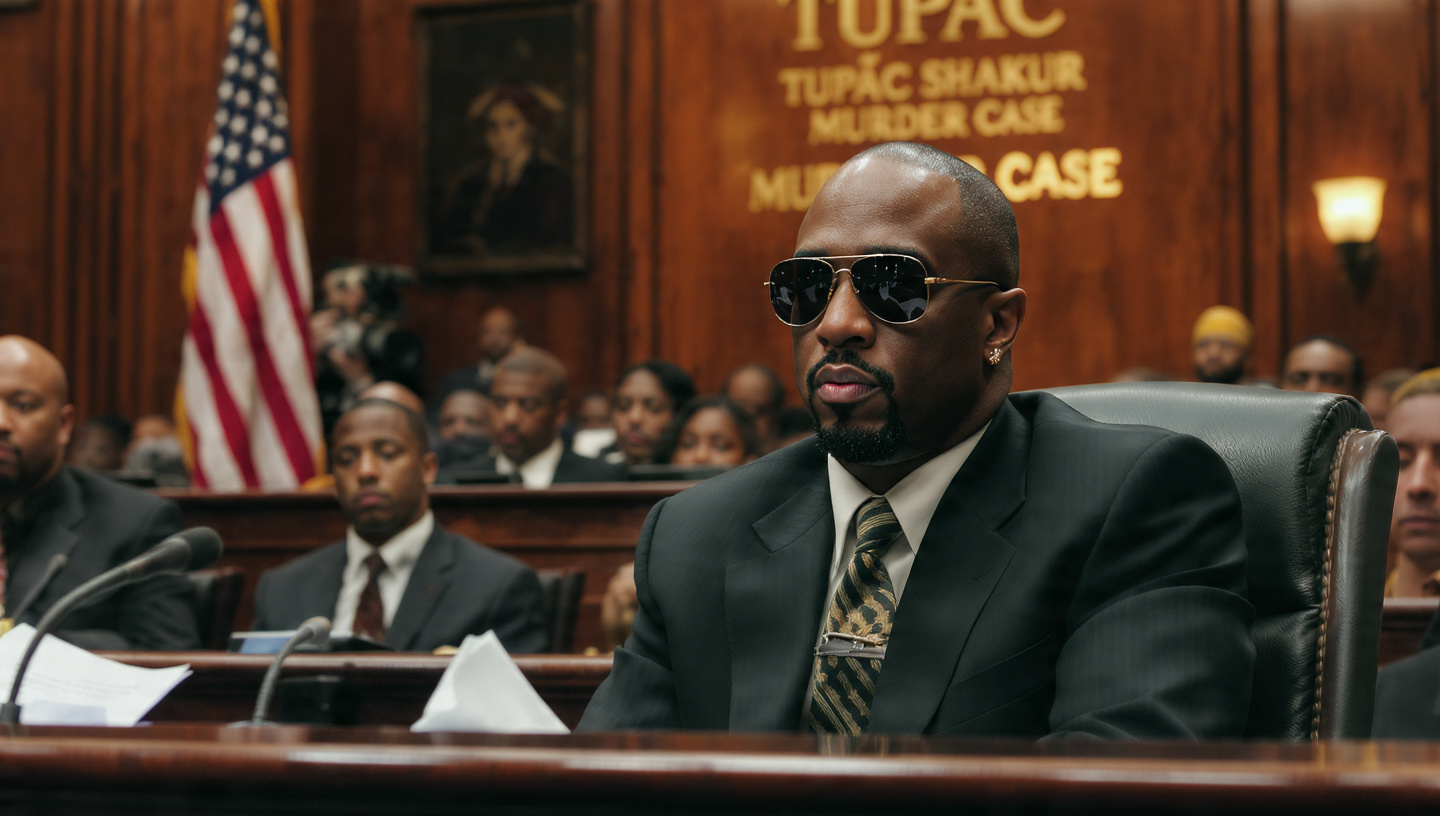
The long‑running mystery of rapper Tupac Shakur’s 1996 murder may be entering a dramatic new chapter — and high‑profile music mogul Sean “Diddy” Combs could become a key figure in the legal battle surrounding it.
Why Combs’s Testimony Matters
Sean “Diddy” Combs, the influential hip‑hop entrepreneur and founder of Bad Boy Records, is currently incarcerated on federal charges unrelated to Tupac’s death. Despite this, legal sources say his testimony might be central in the trial of Duane “Keefe D” Davis, the man charged with masterminding the 1996 fatal shooting of Tupac in Las Vegas.
Davis’s defense lawyers reportedly believe that if Combs takes the stand or issues a formal statement, it could seriously influence how jurors interpret Davis’s own long‑standing accusations. Specifically, Davis has repeatedly claimed — including in recorded interviews with Las Vegas police — that Combs once offered money to have Tupac killed amid the infamous East Coast–West Coast rap feud of the 1990s.
However, Combs has consistently denied any involvement in ordering or financing a hit on Tupac. If he testifies under oath that he never offered money or played a role in the murder, defense attorneys argue it could undermine Davis’s credibility and weaken the prosecution’s reliance on his statements to law enforcement.
How It Could Influence the Jury
Legal commentators note that celebrity testimony sometimes carries weight with juries. Even if Combs is currently serving time for other charges, his status as a household name might sway how jurors view conflicting accounts — particularly a denial from a high‑profile figure versus accusations from a defendant claiming his statements were false.
This dynamic is especially significant because Davis’s previous interviews — including a detailed account of the shooting as retaliation for a confrontation between his nephew and Tupac hours earlier — form a core part of the evidence prosecutors plan to present. Combs’s denial could cast doubt on elements of that narrative.
Not a Guarantee — But a Strategic Move
It’s important to note that Combs cannot be forced to testify if doing so would risk self‑incrimination or violate his constitutional rights. Subpoenas can compel attendance, but witnesses still have legal protections that might limit what they say on the stand.
Additionally, prosecutors in the case are focusing primarily on Davis’s confessions and aren’t expected to pursue theories implicating Combs directly. The defense, however, clearly sees tactical value in involving him — not as a co‑defendant, but as a witness whose statements might counter elements of the prosecution’s case.
Context: The Tupac Murder Case
On September 7, 1996, Tupac Shakur was shot in a drive‑by attack in Las Vegas and died six days later at age 25. Although a cold case for decades, Duane Davis was arrested in 2023 and charged with first‑degree murder based on public statements and witness interviews.
The trial was scheduled to begin in August 2026 but may face further delays. The defense’s strategy appears to center on challenging the accuracy and motives behind Davis’s own admissions — and that’s where Combs’s potential testimony could play a pivotal role.
