

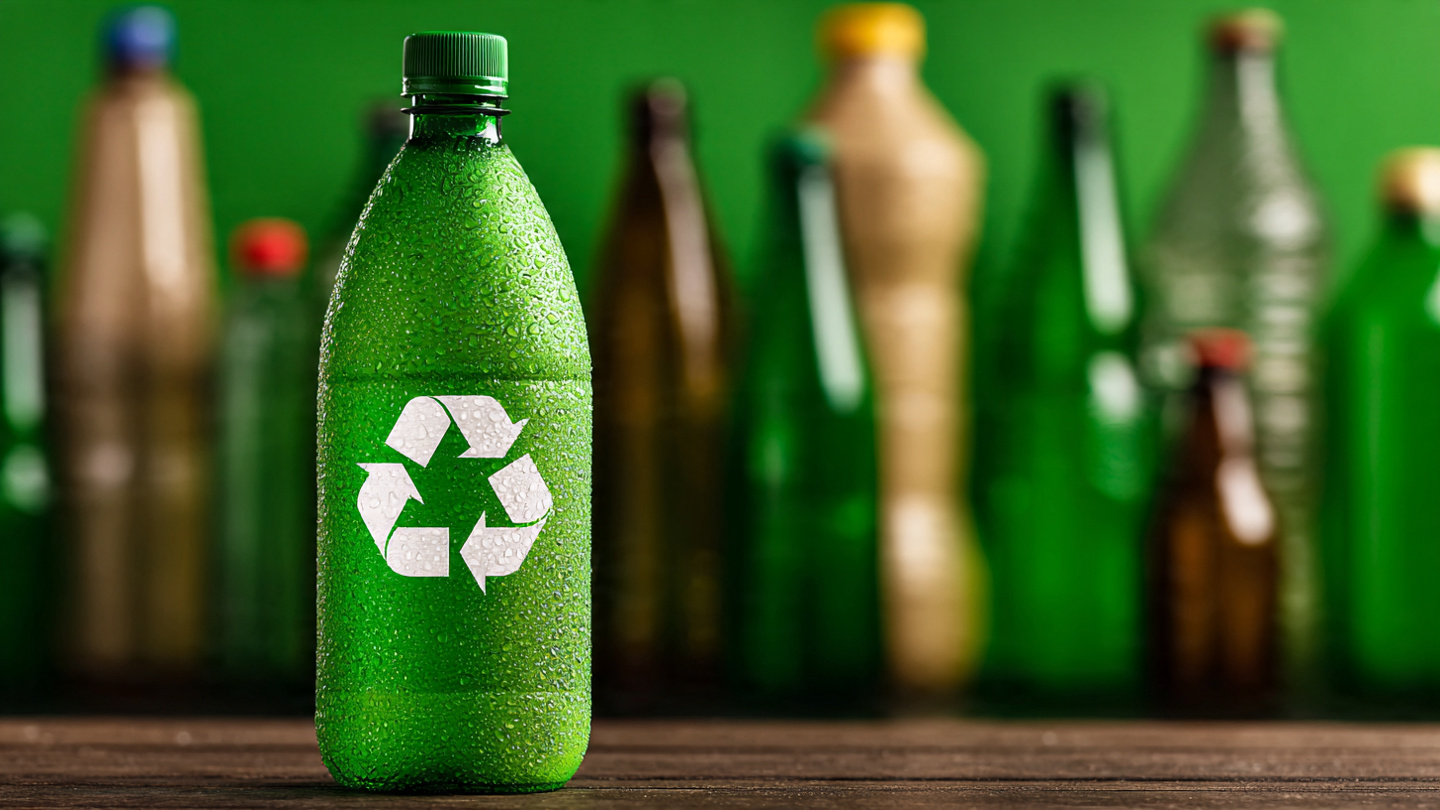
Sustainability discussions are evolving, and simple recycling statistics are no longer enough to measure real environmental progress. As industries and governments seek more effective solutions, Recyclatanteil has emerged as a key concept that shifts attention from how much waste is recycled to how recycled materials are actually reused.
This shift represents a deeper and more practical approach to sustainability.
Instead of focusing only on end-of-life waste, Recyclatanteil highlights what happens at the beginning of a product’s lifecycle.
What Is Recyclatanteil?
Recyclatanteil refers to the percentage of recycled material used in the production of a product, particularly in packaging and manufactured goods. It measures how much recycled input replaces virgin raw materials during manufacturing.
Unlike recycling rates, which track waste collection and processing, Recyclatanteil focuses on material reintegration.
It answers a more meaningful question: how much recycled material is truly being put back into the economy?
This distinction makes Recyclatanteil a more reliable indicator of genuine sustainability performance.
Why Recycling Rates Alone Are Not Enough
Traditional recycling rates show how much waste is collected and processed, but they do not guarantee that recycled materials are reused.
In many cases, materials are collected yet still replaced by virgin resources in production.
Recyclatanteil addresses this gap by linking recycling outcomes directly to manufacturing practices.
A high Recyclatanteil ensures that recycling leads to tangible reductions in resource extraction, energy use, and emissions.
This approach transforms recycling from a symbolic effort into a system with measurable environmental benefits.
Recyclatanteil and Real Sustainability

Real sustainability requires closing the loop between waste and production.
Recyclatanteil plays a central role in this transition by supporting circular material flows rather than linear consumption models.
When manufacturers increase recycled content, they reduce dependence on finite resources.
This not only lowers environmental impact but also strengthens long-term supply resilience.
By prioritizing recycled inputs, Recyclatanteil turns sustainability from a concept into a practical production strategy.
The Role of Recyclatanteil in the Circular Economy
The circular economy aims to keep materials in use for as long as possible.
Recyclatanteil is one of its most important measurable components.
Higher recycled content means materials circulate repeatedly through the economy instead of becoming waste.
This reduces landfill pressure, lowers carbon emissions, and encourages innovation in recycling technologies.
Recyclatanteil connects recycling systems with industrial demand, making circularity economically viable.
Recyclatanteil in Packaging and Manufacturing
Packaging is one of the most visible areas where Recyclatanteil has immediate impact.
Plastic, paper, metal, and glass packaging increasingly include minimum recycled content requirements.
Manufacturers are redesigning products to accommodate higher recycled inputs without compromising quality or safety.
This has driven advancements in material processing and sorting technologies.
As a result, Recyclatanteil is shaping the future of sustainable product design.
Regulatory and Market Drivers Behind Recyclatanteil
Governments and regulatory bodies are increasingly adopting recycled content targets.
These policies encourage industries to move beyond voluntary sustainability claims toward measurable action.
At the same time, consumers and investors are demanding transparency.
Products with verified recycled content build trust and demonstrate accountability.
Recyclatanteil has therefore become both a regulatory requirement and a competitive advantage.
Economic Benefits of Increasing Recyclatanteil
Beyond environmental gains, Recyclatanteil offers economic value.
Using recycled materials can reduce exposure to volatile raw material prices.
It also supports the growth of recycling infrastructure and green industries.
This creates jobs, stimulates innovation, and strengthens local supply chains.
In the long term, Recyclatanteil aligns sustainability with economic stability.
Challenges in Achieving Higher Recyclatanteil
Despite its benefits, increasing Recyclatanteil presents challenges.
Limited availability of high-quality recycled materials can restrict production.
Certain applications, such as food-grade packaging, require strict safety standards.
Meeting these requirements while increasing recycled content demands technological investment.
However, ongoing innovation and policy support continue to reduce these barriers.
Measuring Sustainability Through Recyclatanteil
One of the greatest strengths of Recyclatanteil is its measurability.
Unlike vague sustainability claims, recycled content percentages can be verified and audited.
This transparency helps prevent greenwashing and improves consumer confidence.
It also allows regulators and businesses to track real progress over time.
Recyclatanteil provides clarity in a field often filled with ambiguous promises.
The Future of Recyclatanteil and Sustainable Development
As sustainability expectations rise, Recyclatanteil is likely to become a standard metric across industries.
Digital tracking, improved labeling, and global standards will further enhance transparency.
Future sustainability strategies will focus less on recycling intentions and more on recycled content outcomes.
Recyclatanteil will play a central role in this shift.
Its adoption marks a move from recycling awareness to sustainable material responsibility.
Conclusion: From Recycling Rates to Real Sustainability
Recyclatanteil represents a critical evolution in how sustainability is measured and achieved.
It moves the focus from waste collection to material reuse, where real environmental impact occurs.
By exploring recycling rates through the lens of Recyclatanteil, industries can achieve meaningful sustainability outcomes.
This approach transforms recycling into a foundation for long-term environmental and economic resilience.
Recyclatanteil is not just about recycling more—it is about using recycled materials where they truly matter.
