

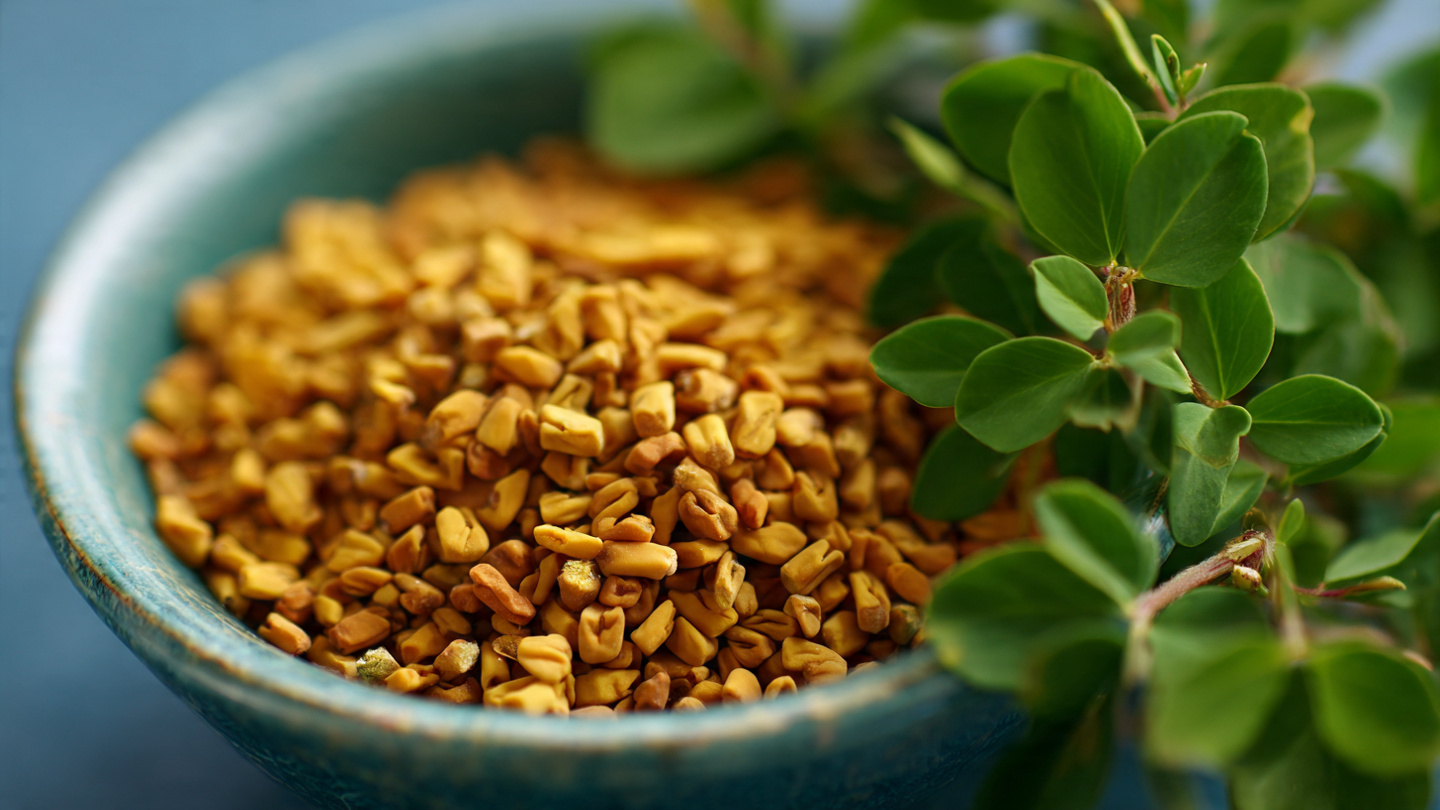
Foenegriek, commonly known as fenugreek, is a versatile herb with a rich history of use in culinary, medicinal, and traditional practices. Its distinctive aroma and flavor make it a popular ingredient in various cuisines, especially in Indian, Middle Eastern, and North African dishes. Beyond its culinary appeal, foenegriek offers numerous health benefits, but it’s also important to be aware of potential risks. This guide provides everything you need to know about foenegriek, from its uses and benefits to safety tips.
What Is Foenegriek?
Foenegriek also called Foenegriek, is a botanical species identified by the scientific name Trigonella foenum-graecum. It belongs to the legume family and is cultivated for its seeds and leaves, both of which are used in cooking and herbal medicine. The seeds are small, golden-brown, and have a slightly bitter, nutty flavor, while the leaves are used fresh or dried.
Uses of Foenegriek
Culinary Uses
- Spice and Flavoring: The seeds are used as a spice in curries, stews, and spice blends like garam masala.
- Herbal Teas: Fenugreek seeds can be soaked and boiled to make herbal teas believed to aid digestion.
- Vegetable Dishes: Fresh or dried leaves (methi) are used in salads, sautés, and breads.
- Pickles: The seeds are often used in pickling recipes for their flavor.

Medicinal and Herbal Uses
- Traditional Medicine: Used in Ayurveda and Unani medicine to treat digestive issues, inflammation, and menstrual discomfort.
- Supplements: Fenugreek extracts and powders are available as dietary supplements for various health claims.
Benefits of Foenegriek
1. Rich Source of Nutrients
Foenegriek seeds are packed with vitamins (B6, K), minerals (iron, magnesium, manganese), fiber, and antioxidants, making them a nutritious addition to your diet.
2. Supports Digestive Health
Fenugreek is known to soothe digestive issues like indigestion, constipation, and gastritis.
Its elevated fiber levels support regular and healthy intestinal function.
3. May Help Regulate Blood Sugar
Studies suggest that fenugreek can improve insulin sensitivity and help lower blood sugar levels, making it potentially beneficial for people with type 2 diabetes.
4. Enhances Milk Production in Lactating Women
Many mothers use fenugreek supplements to increase breast milk supply due to its galactagogue properties.
5. Anti-Inflammatory and Antioxidant Effects
The plant contains compounds that reduce inflammation and combat oxidative stress, potentially lowering the risk of chronic diseases.
6. Supports Heart Health
Fenugreek may help lower cholesterol levels, contributing to better cardiovascular health.
7. Skin and Hair Benefits
Its anti-inflammatory and antioxidant properties may improve skin health and promote hair growth.
Potential Risks and Precautions
While fenugreek offers many benefits, it is essential to use it responsibly:
- Allergic Reactions: Some individuals may experience allergic reactions, including skin irritation or respiratory issues.
- Pregnancy and Breastfeeding: Pregnant women should consult healthcare providers before using fenugreek supplements, as it may stimulate uterine contractions.
- Blood Sugar Levels: Those on diabetes medication should monitor blood sugar closely to avoid hypoglycemia.
- Medication Interactions: Fenugreek has the potential to interact with anticoagulants and various other drugs.
How to Incorporate Foenegriek Into Your Diet
- Use ground fenugreek seeds in spice blends or cooking.
- Add fresh or dried fenugreek leaves to salads or sautés.
- Brew fenugreek seeds in hot water for tea.
- Take supplements after consulting with a healthcare professional.
Conclusion
Foenegriek (fenugreek) is a powerful herb with a wide range of uses and health benefits, from improving digestion and regulating blood sugar to supporting lactation and skin health. However, it’s important to use fenugreek responsibly and be aware of potential risks associated with its use. Whether included in your cooking or taken as a supplement, fenugreek can be a valuable addition to your health and wellness routine.
Always consult with a healthcare provider before starting any new herbal supplement, especially if you are pregnant, nursing, or on medications.
