

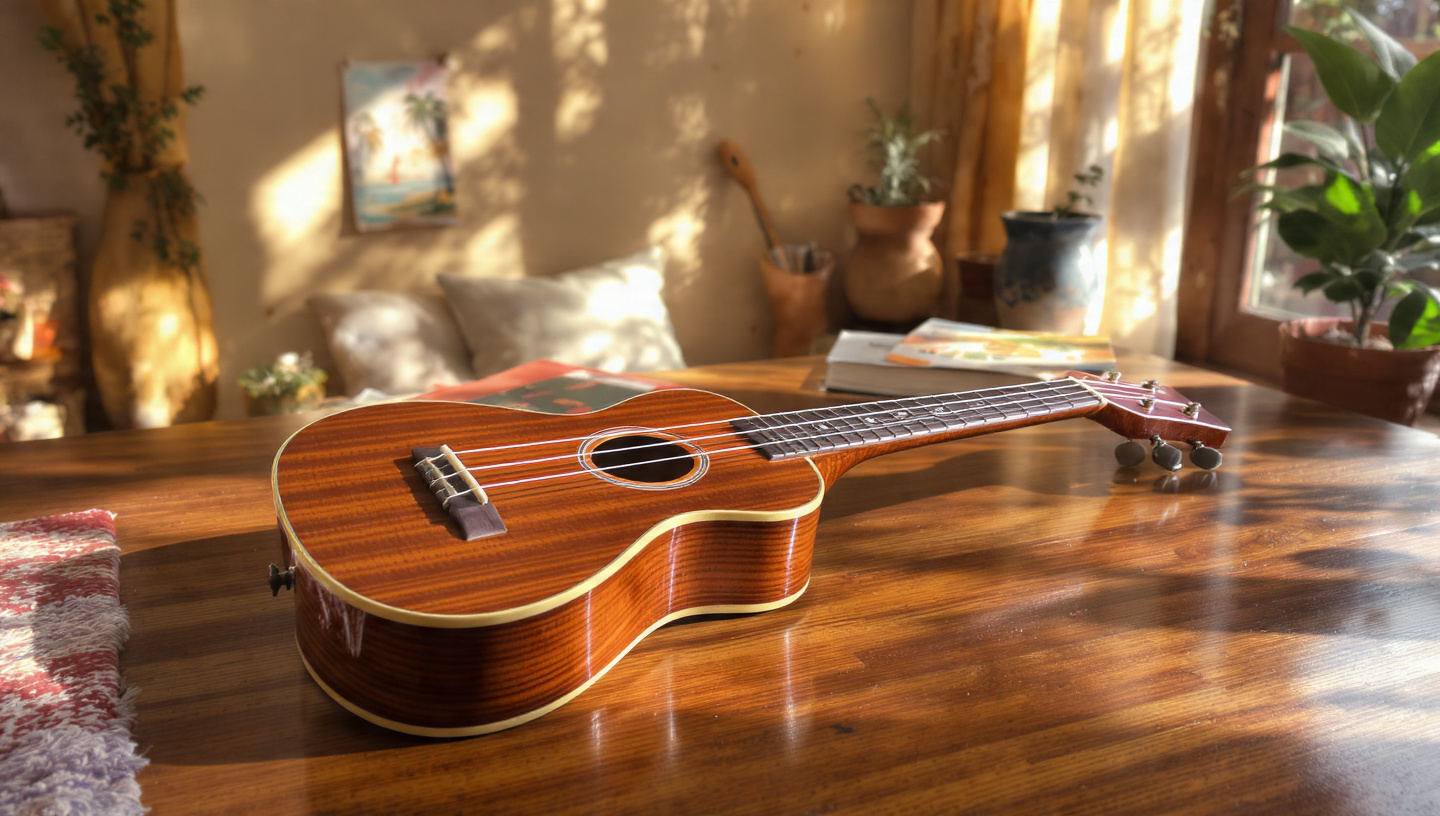
The ukulele is a charming, four-stringed instrument that has captured the hearts of music lovers worldwide. Its cheerful sound and compact size make it a favorite for musicians of all ages. But where did this delightful instrument originate, and how did it become so popular globally? Let’s take a journey through the fascinating history of the ukulele.
Origins in Hawaii
The ukulele’s story begins in the late 19th century, with roots deeply embedded in the cultural exchanges between Hawaii and Portugal. Portuguese immigrants, particularly from the islands of Madeira and the Azores, brought their small stringed instruments—most notably the machete and the braguinha—to the Hawaiian Islands. These instruments resembled small guitars and were adapted by locals to create a new instrument that would eventually be known as the ukulele.
The name “ukulele” translates roughly to “jumping flea” in Hawaiian, likely referring to the way the player’s fingers seem to jump across the strings. The instrument quickly gained popularity among Hawaiians, becoming an integral part of local music and culture.
The Rise in Popularity
In the early 20th century, the ukulele’s popularity soared beyond Hawaii. It became a fashionable instrument in the United States, especially during the 1910s and 1920s. Its lightweight, portable nature and cheerful sound made it a favorite in jazz bands, vaudeville acts, and social gatherings. The 1915 Panama-Pacific International Exposition in San Francisco showcased the ukulele, further fueling its popularity.
During the roaring twenties, the ukulele was associated with the lively jazz age, often seen in movies and on stage. Famous musicians like Cliff Edwards, known as “Ukulele Ike,” helped popularize the instrument through recordings and performances.
The Ukulele’s Evolution
Over the decades, the ukulele saw changes in design and playing style. Initially, it was modeled after Portuguese instruments, but as it gained popularity, different styles emerged, including the soprano, concert, tenor, and baritone ukuleles. Each size offers a distinct tone and playing experience.
In the mid-20th century, the ukulele experienced a decline in mainstream popularity, overshadowed by other instruments and musical trends. However, it never disappeared entirely. Dedicated musicians and enthusiasts kept the instrument alive, and the ukulele experienced a revival in the late 20th and early 21st centuries.
The Modern Resurgence
Today, the ukulele is experiencing a global resurgence. Its accessibility, affordability, and the ease of learning make it an appealing choice for beginners. Celebrities, social media influencers, and musicians regularly showcase the ukulele in performances and tutorials, further spreading its popularity.
Innovations in design, including electric ukuleles and advanced amplification systems, have expanded the instrument’s versatility. The ukulele is now featured in various musical genres, from traditional Hawaiian music to pop, rock, and even classical compositions.
Cultural Significance
The ukulele remains a symbol of Hawaiian culture and hospitality. It’s often associated with the relaxed, joyful spirit of the islands. Its history reflects a blend of cultural influences, from Portuguese roots to Hawaiian adaptation, and its evolution showcases its enduring appeal across the world.
Conclusion
From its humble beginnings in Portugal to its iconic status in Hawaiian culture and worldwide musical scenes, the ukulele’s history is a testament to its timeless charm and adaptability. Whether played for fun or as a serious musical pursuit, the ukulele continues to bring joy and rhythm to people everywhere. Exploring its history not only enriches our appreciation of the instrument but also connects us to a vibrant cultural heritage that spans continents and generations.
