

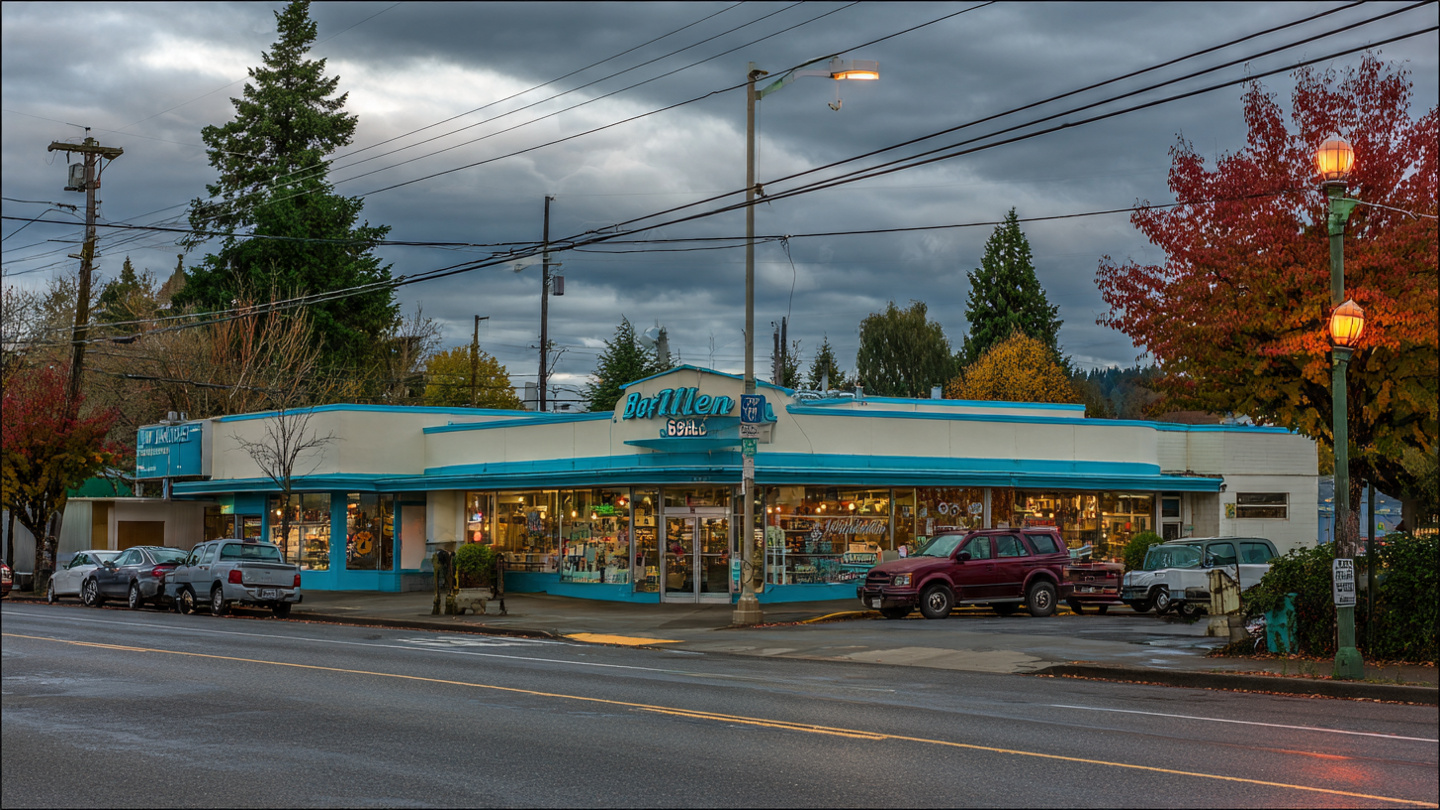
The closure of Bartell Drugs – Mill Creek marks the end of a long chapter in Pacific Northwest pharmacy history.
For more than a century, Bartell Drugs had been a trusted local name, serving communities with prescriptions, personal care items, and everyday essentials.
Founded in 1890, Bartell grew from a single Seattle drugstore into one of the nation’s oldest family‑owned pharmacy chains, woven into the lives of generations of customers across greater Seattle and Snohomish County.
After struggling with shifting market forces, industry consolidation, and the financial turmoil of its parent company, the Mill Creek location ultimately closed its doors as part of a larger wind‑down of the Bartell brand.
Customers who once relied on friendly pharmacists and a familiar neighborhood presence now face a retail landscape that has moved on from the local icon they knew.
This article explores the background of Bartell Drugs, the circumstances leading to its closure, and what the end of the Mill Creek pharmacy means for local residents.
A Storied Local Legacy Begins in Seattle
Bartell Drugs began in Seattle’s Central District in 1890, when young pharmacist George H. Bartell Sr. purchased a small neighborhood drugstore.
From those humble beginnings, the company expanded steadily over decades, embracing a model of personalized customer service that became its hallmark.
At its peak, the chain operated dozens of stores across King, Pierce, and Snohomish counties, with loyal patrons valuing Bartell’s combination of pharmacy care and curated retail offerings.
For many locals, Bartell wasn’t just a place to pick up medications and health products; it was a community hub.
Pharmacists knew names and needs, and many customers recall walking into their neighborhood Bartell and finding a familiar face at the counter.
That deep connection set Bartell apart from the increasingly impersonal experience offered by large national chains, and it helped the company thrive through most of the 20th century and well into the 2000s.
Acquisition by Rite Aid and Early Challenges
Despite its long history, Bartell faced growing pressures in the modern pharmacy industry.
Declining reimbursements from insurance companies, competition from online retailers, and changing consumer behavior made it harder for mid‑sized regional chains to remain profitable.
In 2020, Bartell Drugs was sold to Rite Aid for $95 million—a move that was meant to preserve the brand and ensure long‑term viability.
Initially, Rite Aid assured customers that the Bartell name and local approach would be maintained.
However, soon after the acquisition, many stores began experiencing operational problems.
Pharmacy backlogs and customer service disruptions emerged, and longstanding suppliers and vendors reported difficulties with payment.
These issues eroded the reliable reputation Bartell once held and began driving customers elsewhere, compounding the broader challenges facing the business.
Bankruptcy, Industry Headwinds, and Continuing Store Closures
In October 2023, Rite Aid filed for Chapter 11 bankruptcy amid declining sales, opioid‑related lawsuits, and mounting debt.
This filing triggered a series of store closures, asset sales, and strategic shifts that directly affected Bartell locations across the region.
Over time, many Bartell stores—including long‑standing locations in Seattle and surrounding communities—closed or were restructured as part of the larger Rite Aid liquidation process.
By mid‑2025, CVS Pharmacy had acquired many of Rite Aid’s remaining locations and announced plans to rebrand them under the CVS name as part of its expansion in the Pacific Northwest.
While some former Bartell‑branded stores transitioned to CVS operations, others—including the Mill Creek location—were slated for closure when they were not part of the CVS acquisition plan.
The End of an Era in Mill Creek and Beyond
The shuttering of the Mill Creek pharmacy represents more than just the loss of a retail outlet: it symbolizes the end of a community institution that had been part of local life for generations.
Customers who once enjoyed familiar service have had to adjust to alternative pharmacies, different brands, and new shopping routines.
For many, the closure is also a reminder of broader trends in the pharmacy industry, where regional heritage brands have struggled to compete against large national players and evolving consumer habits.
Looking back, Bartell Drugs’ legacy reflects both the strength of community‑centered retail and the challenges facing traditional pharmacy models.
Although the Mill Creek store is gone, the memories of its service, local presence, and role in daily life will endure among residents who remember walking through its doors.
