

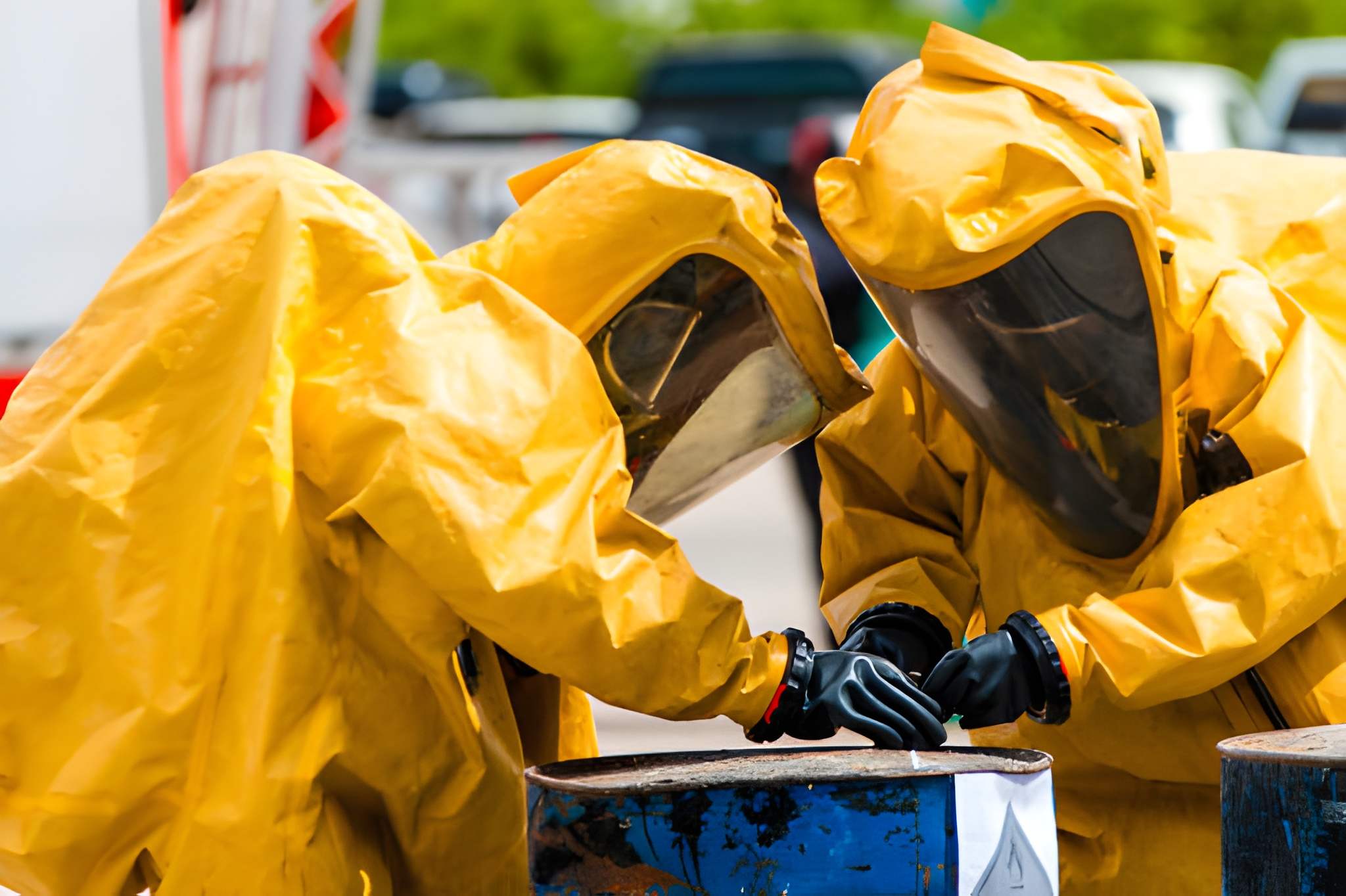
Asbestos-containing materials remain a serious public health concern, particularly in older buildings and industrial settings.
One such material is asbestlint, a flexible, tape-like asbestos product historically used for insulation, sealing, and heat protection.
Although asbestos use has been restricted or banned in many regions, asbestlint may still be present in existing structures.
Because it is often hidden from view, exposure can occur unknowingly, making awareness and education critically important.
This article examines the health effects of asbestlint, the risks associated with exposure, and essential safety guidelines.
What Is Asbestlint?
Asbestlint is a narrow strip or tape made primarily from asbestos fibers woven or pressed together.
It was designed to be heat-resistant, durable, and flexible, making it suitable for sealing joints, wrapping pipes, and insulating machinery.
Due to its fibrous structure, asbestlint can easily release microscopic asbestos fibers when disturbed.
These fibers are not visible to the naked eye and can remain airborne for long periods, increasing the risk of inhalation.
Asbestlint was widely used in construction, shipbuilding, power plants, and industrial facilities throughout much of the 20th century.
Health Effects of Asbestlint Exposure
The primary health risk associated with asbestlint is inhalation of asbestos fibers.
Once inhaled, these fibers can become embedded in lung tissue and remain there for decades.
Long-term exposure is linked to serious illnesses such as asbestosis, a chronic lung disease that causes scarring and breathing difficulties.
Exposure is also strongly associated with lung cancer and mesothelioma, a rare and aggressive cancer affecting the lining of the lungs or abdomen.
Symptoms often develop slowly, sometimes 20 to 40 years after exposure, making early detection difficult and increasing the severity of long-term outcomes.
Exposure Risks and High-Risk Situations
Exposure to asbestlint most commonly occurs when the material is disturbed, damaged, or removed.
Renovation, maintenance, demolition, or accidental damage can release large numbers of airborne fibers.
Workers in construction, plumbing, heating, electrical maintenance, and industrial repair are at particularly high risk.
Homeowners may also be exposed during DIY renovations if asbestlint is present and unrecognized.
Because asbestlint is friable, even minor handling can significantly increase exposure levels.
Why Asbestlint Is Especially Dangerous
Asbestlint poses a higher risk than some other asbestos-containing materials because of its soft, flexible, and easily crumbled nature.
Unlike rigid asbestos boards or cement products, asbestlint requires very little force to release fibers.
Once airborne, asbestos fibers can spread throughout indoor spaces and settle on surfaces, creating ongoing exposure risks.
Poor ventilation further increases the likelihood of inhalation.
This makes early identification and professional management essential for safety.
Safety Guidelines and Best Practices
If asbestlint is suspected, the most important guideline is do not touch or disturb the material.
Professional asbestos inspection and testing are required to confirm its presence.
Licensed asbestos professionals follow strict containment, ventilation, and disposal procedures to minimize fiber release.
Personal protective equipment, controlled removal techniques, and specialized waste handling are essential components of safe management.
Attempting to remove asbestlint without proper training and equipment significantly increases health risks and may violate safety regulations.
Regulatory Considerations and Legal Responsibilities
Many countries have strict regulations governing asbestos handling, including asbestlint.
While existing asbestos materials may remain in place if undamaged, any disturbance typically triggers legal requirements for professional intervention.
Property owners, employers, and contractors may be legally responsible for ensuring safe management and disclosure.
Failure to comply with regulations can result in fines, legal liability, and increased health risks.
Understanding local asbestos laws is a crucial part of responsible property and workplace management.
Preventing Exposure and Protecting Health
Prevention begins with awareness and education.
Regular inspections of older buildings and industrial facilities help identify potential asbestos risks before exposure occurs.
Using licensed professionals for inspection, removal, or encapsulation ensures that safety standards are met.
Clear communication and proper documentation further reduce accidental exposure.
By taking preventive measures, individuals and organizations can significantly reduce the long-term health impact of asbestlint.
Conclusion
Asbestlint remains a hidden but serious health hazard due to its asbestos content and friable nature.
Exposure can lead to severe and life-threatening diseases, often many years after initial contact.
Understanding the health effects, recognizing exposure risks, and following proper safety guidelines are essential for protecting both individuals and communities.
Through awareness, regulation, and professional management, the dangers associated with asbestlint can be effectively controlled and minimized.
