

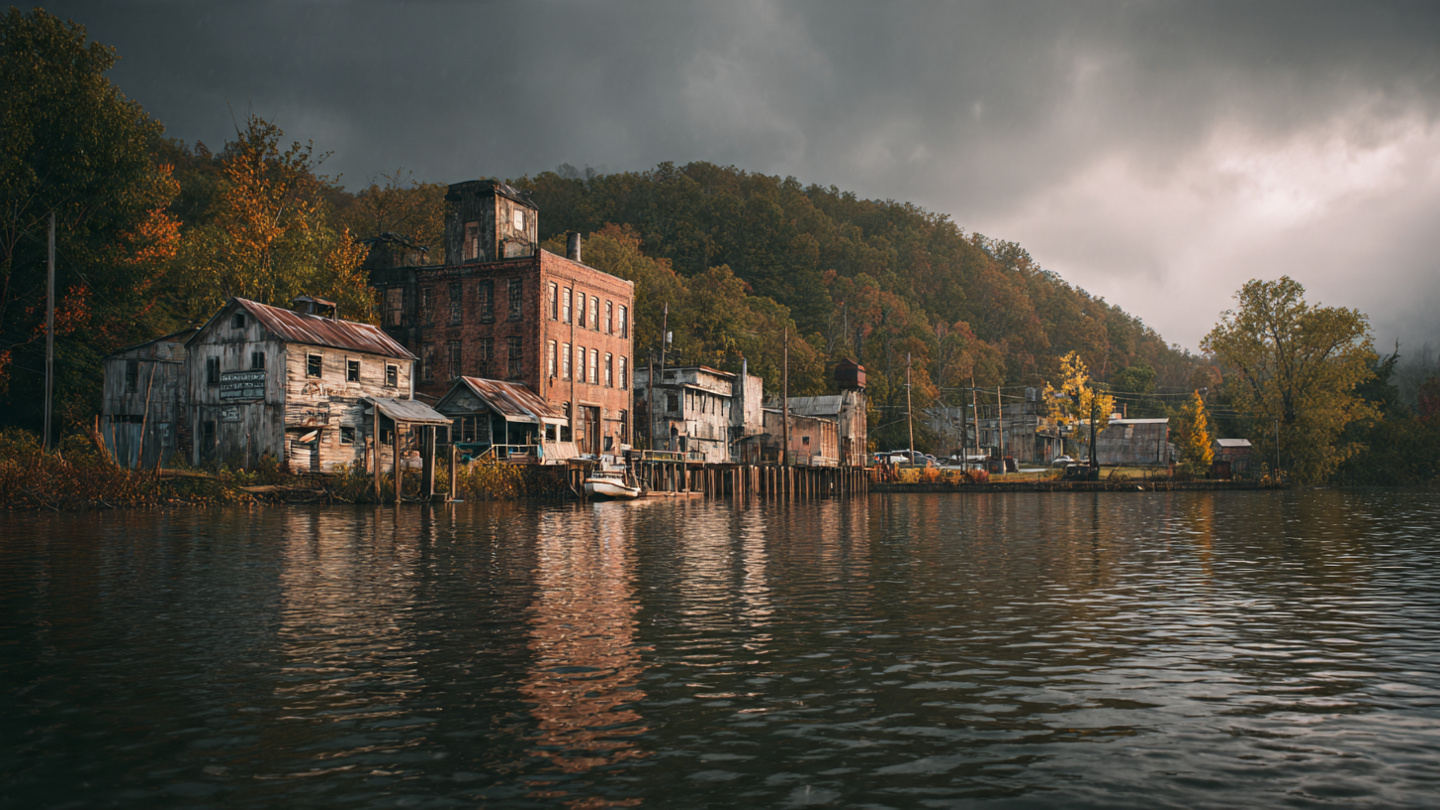
The anticipation of a lakeside vacation is universally tied to the sun. We pack sunscreen, tow tubes, and prepare for long, blistering days on the water. But the topography of the Appalachian foothills is famous for its volatile microclimates. Warm, humid air frequently collides with the cooler mountain ridges, spawning massive, unpredictable thunderstorms that can park themselves over the region for days.
When the skies bruise purple and the rain begins to crater the surface of the water, the standard vacation itinerary collapses. The boats are covered, the fire pits are flooded, and travelers are forced indoors. While many view this as a ruined day, a severe storm actually acts as a forced detour into the tangible, physical history of the region.
If you abandon the shoreline and drive into the historic downtowns of the communities straddling the Georgia-South Carolina border, you will find massive, brick-and-timber buildings dominating the main streets. To the casual observer, these are just sprawling antique malls. But to the curious traveler, they are the uncurated, chaotic, and deeply fascinating museums of the Deep South.
The Architecture of an Empire
The experience begins before you even look at the items for sale. The buildings that house these massive antique cooperatives are historical artifacts themselves.
A century ago, the area surrounding the Savannah River basin was the undisputed textile capital of the world. Massive mills processed millions of pounds of cotton, driving the local economy and dictating the architecture. Today, many of those abandoned textile mills, hardware depots, and cotton warehouses have been repurposed into antique markets.
When you step inside to escape the rain, you are walking on deeply scarred, oil-stained hardwood floors that absorbed the vibrations of thousands of industrial looms. The massive, exposed wooden beams overhead and the original freight elevators serve as a physical testament to an industrial era that has entirely vanished from the American landscape.
Uncurated Appalachian History
Traditional museums can often feel stiff. Items are locked behind thick glass, meticulously labeled, and presented in a sterile, chronological vacuum. The antique malls of the Piedmont region operate on the exact opposite philosophy.
These spaces are divided into dozens of individual booths, each curated by a different local vendor. The result is a chaotic, hands-on timeline of Southern history. You are not just looking at artifacts; you are allowed to pick them up, inspect the craftsmanship, and smell the aged wood.
Wandering these aisles reveals the distinct cultural shifts of the region. You will find heavy, hand-forged agricultural tools from the 1800s sitting next to delicate, brightly colored Depression glass—a stark reminder of how rural families tried to inject beauty into the grim economic realities of the 1930s. You can sift through pristine, handmade Appalachian quilts, original cast-iron cookware, and vintage collegiate memorabilia from the early days of nearby agricultural colleges.
The Rogue Historians
The true value of these spaces, however, lies in the people who run them. The booth owners and mall operators are essentially rogue historians.
In a traditional museum, you read a placard. In these sprawling markets, you have conversations. If you ask a vendor about a specific piece of pottery or a bizarre mechanical tool, you will often receive a deeply localized history lesson. They understand the provenance of the items because they sourced them directly from local estate sales, ancient barns, and generational family homes. They are the unofficial keepers of the region’s oral history, preserving the stories of the families who built the towns before the lakes were ever flooded.
The Cognitive Shift of the Hunt
There is a unique psychological relief to this activity, particularly during a storm. When you search for Rainy Day Activities Near Lake Hartwell, wandering through an antique mall provides a specific cognitive shift that perfectly counters the disappointment of bad weather.
Outdoor recreation requires high physical energy and external focus. Antiquing requires quiet, internal focus. The sound of a heavy thunderstorm echoing off a tin roof, combined with the dusty, quiet labyrinth of the aisles, creates an incredibly grounding environment. It triggers the psychology of the scavenger hunt. The brain stops worrying about the ruined boating plans and becomes entirely consumed by the search for a hidden treasure, a piece of nostalgia, or a mechanical curiosity.
Ultimately, a rained-out day in the foothills does not have to be a lost day. It is simply an invitation to step away from the modern recreation of the water and step into the dim, quiet, and wildly fascinating history of the land beneath it.
