

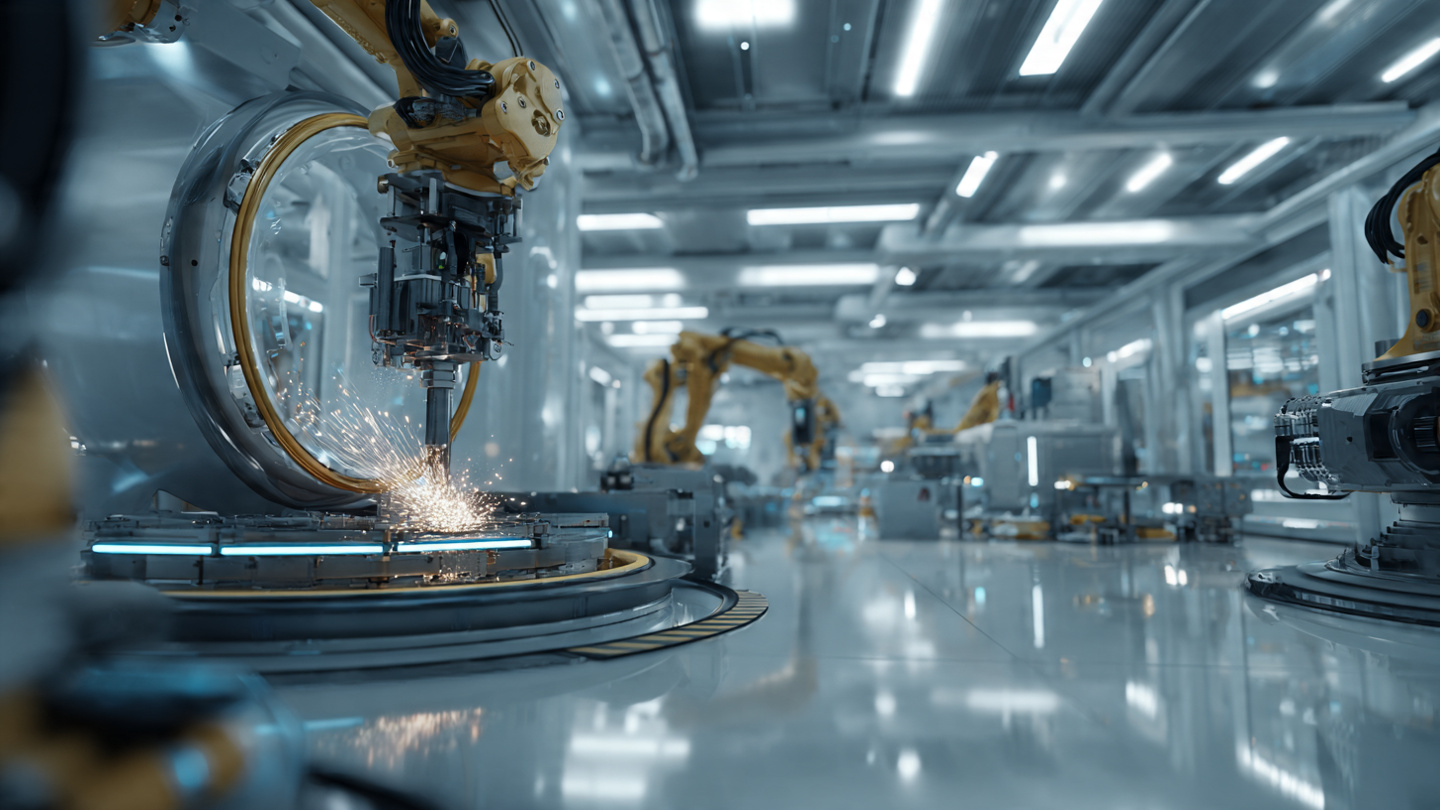
Walk onto the assembly floor of a modern aerospace plant or an electric vehicle (EV) manufacturing facility, and you will notice a distinct lack of the familiar sounds of the 20th-century factory. The deafening roar of traditional welding torches and the constant clatter of dropped nuts and bolts have been largely replaced by the rhythmic, pneumatic “pop” of specialized tooling.
Modern engineering is increasingly characterized by complex, enclosed geometries. To make vehicles lighter and stronger, engineers rely heavily on hollow aerodynamic wings, sealed battery enclosures, and tubular chassis. These designs are highly efficient, but they introduce a maddening physical paradox: how do you permanently fasten two pieces of metal together when you can only access the outside of the structure?
The “Two-Sided” Bottleneck
For centuries, mechanical assembly relied on two-sided access. A bolt inherently requires a nut on the opposite side to secure it. If you are building a bridge or an exposed flat panel, this is not an issue. But if you are attaching a structural bracket to the middle of a long, hollow steel tube, human hands cannot reach inside to hold the nut.
Historically, the solution was either tapping threads directly into the metal (which requires thick, heavy walls) or relying on welding. However, welding introduces immense heat that can warp thin materials, destroy modern composite laminates, and alter the metallurgical properties of the surrounding area. Industry desperately needed a cold, mechanical joint that could be installed entirely from the outside.
The Anatomy of a Hidden Joint
The solution lies in a brilliant piece of mechanical engineering designed specifically for “blind” access. Instead of a solid screw, this fastener is comprised of two distinct parts: a hollow, tubular body with a flanged head, and a solid central pin called a mandrel running directly through its core.
The installer drills a hole through the two materials to be joined, inserts the fastener until the flange sits flush against the outer surface, and engages the installation tool. What happens next is a masterpiece of kinetic translation.
The Physics of the “Snap”
A pneumatic or battery-powered tool grasps the protruding tail of the mandrel and begins to pull it backward with immense force, while simultaneously pushing forward against the flange to keep the assembly seated.
Because the mandrel has a flared head resting on the hidden side of the joint, pulling it forces the hollow body of the fastener to buckle and collapse. The hidden metal folds outward, expanding into a tight “bulb” or flange that presses aggressively against the rear side of the materials.
Once the materials are clamped together with maximum tension, the tool continues to pull. The mandrel, engineered with a highly specific breaking point, violently snaps off. The result is a clean, permanent, tightly clamped joint created in less than two seconds, without anyone ever needing to see or touch the inside of the structure.
Engineering for Extreme Environments
While the basic mechanics of this process are fascinating, the demands of the 21st-century supply chain require materials that can survive incredibly hostile environments. A standard aluminum fastener might suffice for a household appliance, but it will quickly fail under the crushing pressure of a deep-sea submersible or the corrosive saltwater spray of an offshore wind turbine.
For applications demanding absolute resilience against rust, extreme weather, and mechanical stress, engineers frequently specify stainless steel blind rivets to ensure the joint outlasts the machinery itself. The inclusion of high-grade alloys guarantees that the fastener will not succumb to galvanic corrosion or structural fatigue, even when exposed to harsh chemicals or extreme thermal cycling.
Vibration Resistance and Structural Integrity
Furthermore, modern structural variants of these fasteners have evolved to combat the invisible enemy of heavy machinery: vibration.
In a standard threaded joint, constant rhythmic vibration can slowly back a nut off its threads. But in high-end structural blind fasteners, a portion of the mandrel is permanently locked inside the tubular body after the snap. This retained core acts as a solid, load-bearing pillar. It drastically increases the shear and tensile strength of the joint, preventing the connected materials from shifting. Additionally, as the body expands, it completely fills the drilled hole, creating a hermetic seal that prevents water, dust, and battery-degrading moisture from infiltrating the internal cavities of the machine.
The Future of Assembly
As we continue to push the boundaries of lightweight transportation, renewable energy infrastructure, and aerospace design, the components we build are becoming increasingly complex and fully enclosed. The ability to create flawless, indestructible joints from a single side of a workpiece is no longer a convenience; it is a fundamental requirement of modern engineering. The quiet disappearance of the traditional nut and bolt is a testament to the fact that sometimes, the most elegant mechanical solutions are the ones you cannot fully see.
