

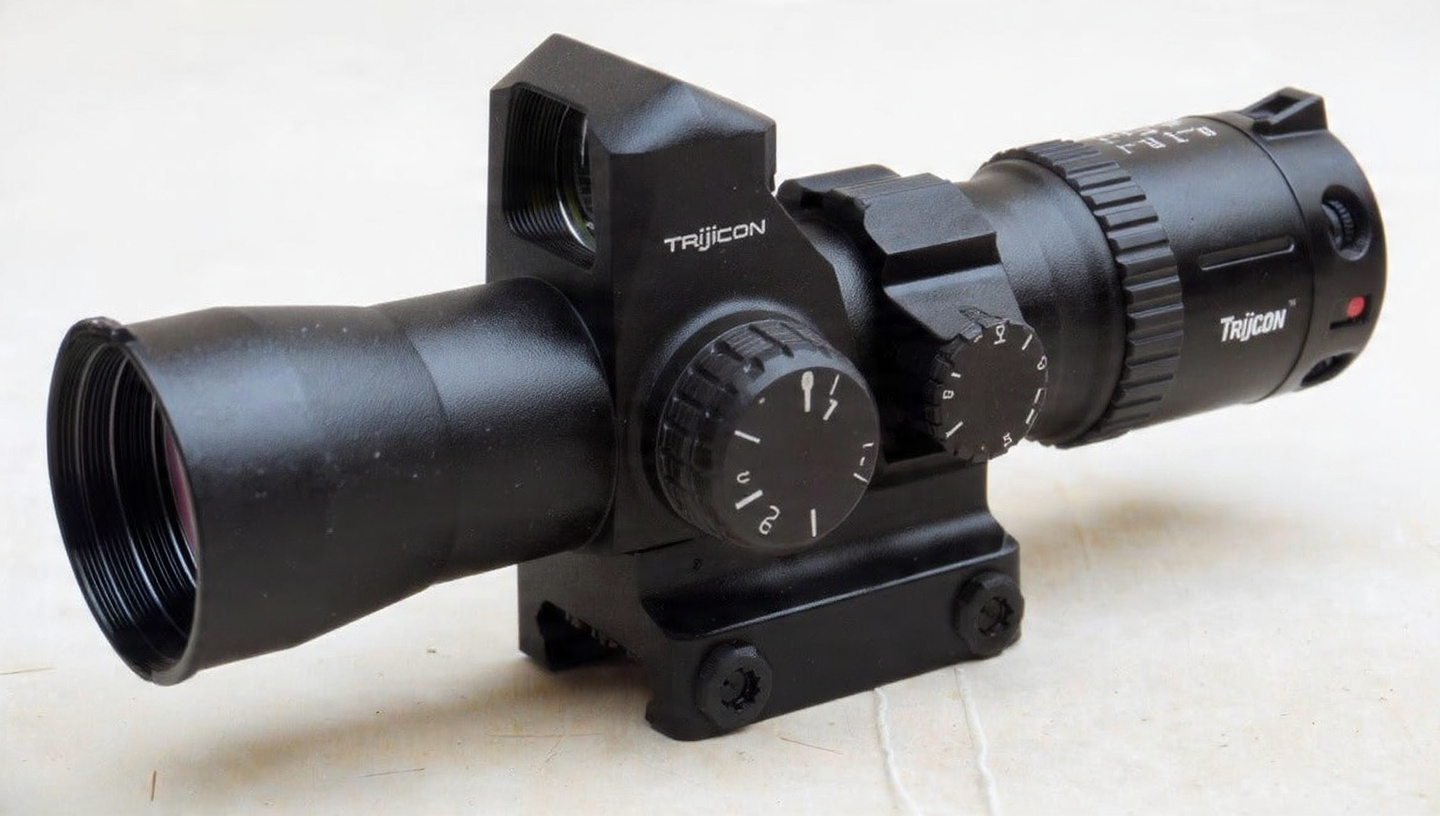
Buying new Trijicon optics means paying a premium for that “fresh out of the box” feeling. But let’s be real, that price tag can be pretty steep, right? The good news is, the used market offers a serious way to cut down on costs. Think about it like buying a car; as soon as you drive it off the lot, it loses a chunk of its value. Optics are kind of the same way. You can often snag a Trijicon optic that’s only a few months old for a good 20% to 50% less than what it cost new. This means that high-end scope you’ve been eyeing, the one that was just out of your budget, might actually be within reach if you look at pre-owned options. It’s a smart move if you want top-tier performance without emptying your wallet.
Value Retention
One of the really cool things about Trijicon optics is how well they hold their value. Unlike a lot of other gear that just depreciates like crazy, Trijicon scopes and red dots tend to stay valuable. This is mostly because they’re built like tanks and have a solid reputation, especially from their military use. So, if you buy a used Trijicon today, you can probably sell it a year or two from now and get a good chunk of your money back. It’s almost like renting a high-quality optic for a really low price. This makes them a solid investment, not just an expense.
The “Lemon” Factor
Sometimes, even brand-new gear can have issues right out of the factory. It’s not common, but it happens. This is where buying used can actually be a bit of a safety net. If an optic has a hidden defect, chances are the previous owner would have already found it during their time using it. A used optic has already been through its initial
Key Features of Trijicon Optics
Exceptional Clarity and Durability
Trijicon optics are built tough, plain and simple. They use really solid materials, like the 7075-T6 forged aluminum that you find in models like the RMR and MRO. This stuff is strong but not too heavy, which is a big deal when you’re carrying your gear around. Plus, they seal these things up tight against the weather. Many are nitrogen-filled to stop fogging and can even handle being submerged in water for a while. This means the glass stays clear and the insides stay dry, protecting the optic for the long haul. When you’re looking at used Trijicon optics, this kind of build quality means they’ve likely got a lot of life left in them, even if they’ve seen some action.
Battery-Free Illumination
One of the standout features of many Trijicon optics, especially the ACOG and AccuPoint lines, is their dual illumination system. This setup uses fiber optics to grab light during the day and tritium for a glow in low light. What’s cool about this is that it works without batteries. You don’t have to worry about your reticle going dark when you need it most. The tritium has a known lifespan, usually warrantied for 10-15 years, so you know what to expect. Even after the tritium fades, the fiber optics often keep the reticle visible in daylight. This makes them a reliable choice, especially when buying used Trijicon optics where battery failure is a common concern with other brands.
Military-Grade Build Quality
These aren’t just fancy scopes; Trijicon optics are designed and tested to meet military standards. Think about it – they’re used by folks who need their gear to work no matter what. This means they can handle rough handling, extreme temperatures, and all sorts of abuse. The ACOG, for instance, has a reputation for being almost indestructible. This military-grade construction isn’t just a marketing buzzword; it translates directly into a product that’s built to last for years, even decades. So, when you’re checking out used Trijicon optics, you’re looking at gear that’s already proven its mettle in some pretty demanding situations.
Where to Find Used Trijicon Optics
So, you’ve decided to go for a Trijicon optic, smart move. Now, where do you actually find these things without paying full price? It’s not like you can just walk into any old store and pick one up. You’ve got a few solid options, and each has its own vibe.
Specialty Online Retailers
This is probably your best bet for a good selection and a decent chance of finding what you’re looking for. Places that focus specifically on used firearm gear are goldmines. They often have a wide variety of Trijicon models, from the classic ACOG to the more modern RMRs. These retailers usually put their used items through a pretty thorough inspection process, so you’re less likely to get a dud. They know their stuff and can often provide detailed descriptions of the optic’s condition. Plus, they’re usually pretty good about returns if something isn’t right.
Firearm Forums and Marketplaces
This is where things can get a little more interesting, and maybe a bit riskier. Online forums and dedicated marketplaces for gun owners are full of people selling their gear. You can sometimes find incredible deals here because you’re buying directly from another shooter. However, you really need to do your homework. Always check the seller’s reputation and ask for plenty of clear photos. It’s also a good idea to be familiar with what you’re looking at, so you can spot any potential issues yourself. Some of these platforms might have buyer protection, but it’s not always as robust as a dedicated retailer.
Local Gun Shops
Don’t count out your local gun shop. While their selection might be smaller and more hit-or-miss, you can sometimes stumble upon a hidden gem. The advantage here is that you can physically inspect the optic before you buy it. You can hold it, look through it, and get a feel for its condition. Chatting with the shop owner or staff can also give you some insight into the item’s history. It’s a more traditional way to buy, and sometimes, that personal touch is exactly what you need.
Inspecting Used Trijicon Optics
So, you’ve found a used Trijicon optic that looks promising. That’s great! But before you hand over your cash, you gotta give it a good once-over. Think of it like checking out a used car – you wouldn’t buy it without kicking the tires, right? Same deal here. A little inspection can save you a lot of headaches later.
Checking Glass Integrity and Coatings
First things first, let’s talk glass. Hold the optic up to a light source and look through it. You’re looking for any major scratches, chips, or cracks. Tiny little cleaning marks might be there, and honestly, they’re usually not a big deal, especially if they don’t affect your view. What you really want to avoid are deep gouges or anything that looks like it could spread. Also, check the coatings. They should look smooth and even, not patchy or worn away. If the coatings are messed up, it can really mess with how much light gets through and how clear the image is. It’s all about that crisp, distortion-free view Trijicon is known for.
Verifying Turret Functionality
If the optic has adjustable turrets (like on a scope), you need to test them. Gently turn each turret and listen and feel for distinct “clicks.” These clicks should be consistent and tactile. If a turret feels mushy, gritty, or doesn’t click at all, that’s a red flag. It could mean the internal adjustment mechanism is worn out, and it might not hold zero properly. You want those turrets to be precise and reliable.
Assessing Tritium Brightness (for older models)
This one’s specific to older Trijicon models that use tritium for illumination, like many ACOGs. Tritium is a radioactive isotope that glows in the dark, but it fades over time. It has a half-life of about 12 years, meaning it’ll be half as bright after that period and continue to dim. So, if you’re looking at an older model, check how bright the reticle is, especially in low light. A dim or non-existent tritium glow means you’re basically buying an optic without its primary illumination feature. While the glass and build quality are still top-notch, the lack of illumination is a significant drawback for many users. Newer models often use fiber optics and/or battery-powered LEDs, which don’t have this issue.
Authenticity Checks
Unfortunately, fakes are out there. You need to be sure you’re getting the real deal. Look for proper Trijicon branding, serial numbers, and logos. Compare the optic to pictures of known genuine models online. Sometimes, the price is just too good to be true, which is a big warning sign. Also, check the seller’s reputation. Reputable dealers who specialize in used optics will often have their own inspection process and can vouch for authenticity. If you’re buying from a private seller, be extra cautious and do your homework.
Here’s a quick rundown of what to look for:
- Glass: No major scratches, chips, or cracks. Coatings should be even.
- Turrets: Crisp, audible clicks. No mushiness.
- Tritium (older models): Check brightness in low light. Expect it to be dimmer on older units.
- Build Quality: Look for solid construction, proper markings, and no obvious damage.
- Serial Number: Verify it with the manufacturer if possible.
Buying used Trijicon optics can be a fantastic way to get top-tier gear without the new price tag. Just remember to take your time, inspect thoroughly, and trust your gut. A little effort upfront can mean years of reliable performance down the road.
Popular Used Trijicon Models and Their Value
When you’re on the hunt for a used Trijicon optic, a few specific models tend to pop up more often and hold their value really well. Knowing these can help you zero in on a great deal.
Trijicon ACOG Series
The ACOG, or Advanced Combat Optical Gunsight, is practically legendary. These fixed-magnification scopes are built like tanks and are famous for their durability and battery-free illumination. They use a combination of tritium and fiber optics to light up the reticle.
- Value Proposition: Even older ACOGs with slightly faded tritium can still be excellent optics. The glass clarity and rugged build remain top-notch. You’re often paying for that bomb-proof construction and the Trijicon name.
- What to Watch For: The main thing with used ACOGs is the tritium’s brightness. Tritium has a half-life of about 12 years, meaning it’ll be half as bright after that. So, check the manufacturing date if you can find it. A newer ACOG will cost more, but you’ll get a brighter reticle.
- Typical Price Range (Used): This can vary wildly, but expect anywhere from $500 to over $1000, depending on the model, condition, and how much life is left in the tritium.
Trijicon RMR and MRO Red Dots
These are Trijicon’s popular miniature red dot sights. The RMR (Ruggedized Miniature Reflex) is super compact and often seen on pistols, while the MRO (Multi-Point Reflex Optic) is a bit larger and more common on rifles and shotguns.
- Key Features: Both are known for their tough construction and clear glass. The RMR has a unique housing shape designed to deflect impacts. The MRO offers a wide field of view.
- Battery Life: Unlike the ACOG, these use batteries. However, they boast impressive battery life, often lasting for years on a single cell. Always check if the battery is included and working.
- Used Market Appeal: Because they are so durable, used RMRs and MROs are great buys. They’ve already survived the “infant mortality” phase, meaning any factory defects would likely have shown up already.
- Typical Price Range (Used): You might find used RMRs from $350-$500 and MROs from $300-$450, depending on the model and condition.
Trijicon AccuPoint and Credo Scopes
This line includes variable power scopes, often called LPVOs (Low Power Variable Optics) like the Credo, and higher magnification scopes like the AccuPoint. These are great for hunters and shooters who need more flexibility than a fixed-power optic.
- Illumination Options: The AccuPoint series often features Trijicon’s “Dual Illumination” system, using fiber optics and tritium, so no batteries are needed for the reticle. The Credo series typically uses battery-powered illuminated reticles.
- Glass Quality: Trijicon is known for its excellent glass clarity and light transmission, and these scopes are no exception. You get a really clear, crisp image.
- Value: Buying one of these used can save you a significant chunk of change compared to buying new. They offer a great balance of performance and price on the used market.
- Typical Price Range (Used): Used AccuPoints and Credo scopes can range from $500 to $900+, again, depending heavily on magnification, features, and condition.
When looking at used Trijicon optics, remember that their reputation for durability means that even a scope with some cosmetic wear is likely to perform reliably for years to come. The real value is in the internal mechanics and optical quality, which Trijicon consistently delivers.
Maximizing Your Investment in Used Trijicon Optics
When you snag a used Trijicon optic, you’re already ahead of the game. These things are built like tanks, so even a pre-owned one usually has a ton of life left. But how do you make sure you’re getting the most bang for your buck, both now and down the road? It’s all about knowing what to look for and how to care for your gear.
Understanding Trijicon’s Resale Value
Trijicon optics hold their value pretty well, and that’s a good thing for you. Why? Because it means if you ever decide to sell it later, you’ll likely get a decent chunk of your money back. This is thanks to their reputation for being tough as nails and having some pretty neat tech, like that battery-free illumination on some models. Even older ACOG models with fading tritium can still fetch a good price because the core optic is so solid. It’s not like buying a new car that drops value the second you drive it off the lot. Think of it more like a solid investment.
The Role of Warranties
This is a big one. While Trijicon’s full lifetime warranty is usually for the original buyer, they’re known for standing behind their products even if you’re the second or third owner. They often service older optics for a reasonable fee. Plus, the tritium illumination has its own warranty, usually 10 to 15 years from when it was made. This means you can figure out how much life is left in the glow. It’s not a guarantee like a new optic, but it’s a pretty good safety net. Always check the manufacturing date to get an idea of the tritium’s remaining brightness. This is a key difference compared to, say, a used Aimpoint optic, which relies on batteries and doesn’t have the same tritium lifespan concerns.
Proper Maintenance for Longevity
Taking care of your used Trijicon is pretty straightforward, but it makes a difference. Keep the lenses clean using a microfiber cloth and appropriate lens cleaner – no harsh chemicals. Avoid dropping it or banging it around unnecessarily, even though it’s tough. If it’s a model with tritium, try not to store it in complete darkness for extended periods if you want to keep the glow as bright as possible, though this is less of an issue as the tritium is always active. For models with batteries, just swap them out when needed. A little bit of care goes a long way in keeping your optic performing well for years to come.
Buying used doesn’t mean you’re buying someone else’s problems. High-quality optics are built to last, and a pre-owned unit has likely already passed the
Frequently Asked Questions
Why are used Trijicon optics a good deal?
Buying used Trijicon optics can save you a lot of money. These scopes are built tough, so even if they’ve been used, they still work great and can last for a long time. It’s like getting a high-quality item for a much lower price.
How do I know if a used Trijicon optic is real and not a fake?
Reputable sellers will check for authenticity. Trijicon optics are well-made, and fakes often don’t match the quality or features of the real thing. Always buy from a trusted source that inspects their products.
What should I look out for when buying a used Trijicon ACOG?
For older Trijicon ACOGs that use tritium for aiming, check how bright the aiming point is. Tritium’s glow fades over time, usually after about 12 years. Make sure the glass is clear and the scope still works well.
Can I still get my used Trijicon optic fixed if something goes wrong?
Trijicon is known for standing behind its products. Even if you’re not the first owner, they often service or repair their optics. This is great because it means your used scope is still a reliable investment.
Do used Trijicon optics hold their value?
Yes, Trijicon optics are famous for keeping their value. Because they are so durable and trusted by military users, people are always willing to buy them used. This means you can often sell yours later for a good price.
Where are the best places to find used Trijicon optics?
You can find used Trijicon optics at special online stores that focus on firearm gear, on gun forums where people sell their equipment, and sometimes at local gun shops. Just be sure to buy from a seller you trust.
