

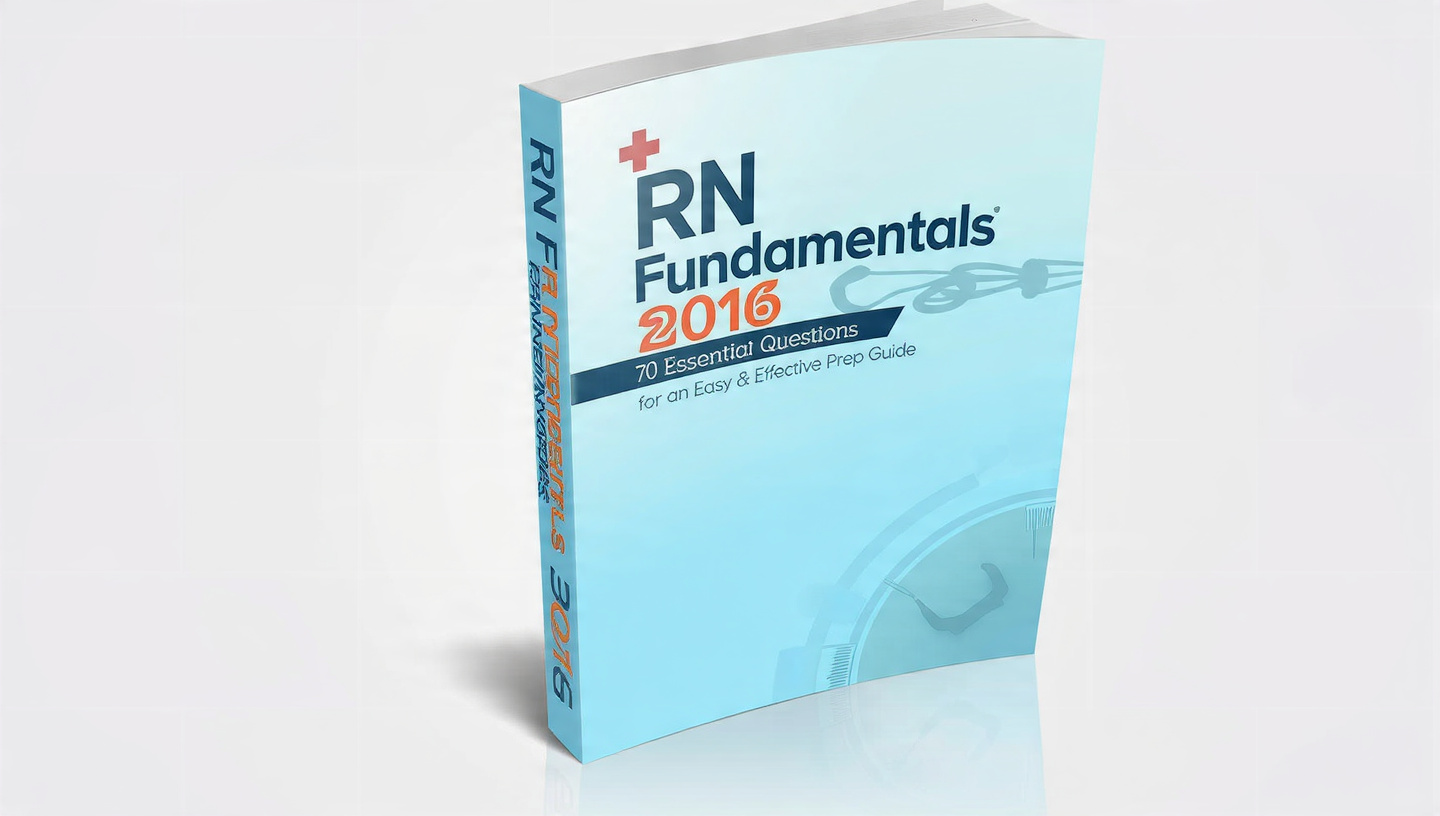
Preparing for nursing exams can feel overwhelming, especially when it comes to mastering the fundamentals. The RN Fundamentals 2016 exam remains an important benchmark for nursing students aiming to build a strong foundation in patient care, safety, and clinical practices. One of the most effective ways to prepare is by practicing essential questions that reflect real exam scenarios.
In this guide, we’ll explore 70 essential RN fundamentals questions, along with strategies to help you study smarter and succeed with confidence.
Why RN Fundamentals Matter
The fundamentals of nursing are the backbone of clinical practice. They cover critical areas such as:
- Patient safety and infection control
- Basic care and comfort
- Pharmacology basics
- Ethical and legal responsibilities
- Communication and documentation
Mastering these topics ensures that nursing students are well-prepared for both exams and real-life patient care situations.
How to Use These 70 Essential Questions
Before diving into the questions, it’s important to understand how to use them effectively:
- Practice daily: Aim to solve 10–15 questions per day
- Review explanations: Focus on understanding why an answer is correct
- Track weak areas: Identify topics you struggle with and revise them
- Simulate exam conditions: Time yourself to improve speed and accuracy
Sample RN Fundamentals Questions
Below are examples from the 70 essential questions to guide your preparation:
1. Patient Safety
Question: What is the first action a nurse should take to prevent patient falls?
Answer: Assess the patient’s risk for falls upon admission.
2. Infection Control
Question: What is the most effective method to prevent the spread of infection?
Answer: Proper hand hygiene.
3. Vital Signs
Question: What is the normal adult body temperature range?
Answer: 36.5°C to 37.5°C (97.7°F to 99.5°F).
4. Medication Administration
Question: What are the “Five Rights” of medication administration?
Answer: Right patient, right drug, right dose, right route, right time.
5. Patient Positioning
Question: Which position is best for a patient with breathing difficulties?
Answer: Fowler’s position.
Key Topics Covered in the 70 Questions
To ensure complete preparation, the questions are divided into key categories:
1. Basic Nursing Skills
- Hygiene and patient care
- Mobility and positioning
- Nutrition and hydration
2. Safety and Infection Control
- Standard precautions
- Use of personal protective equipment (PPE)
- Fall prevention strategies
3. Communication
- Therapeutic communication
- Patient education
- Documentation practices
4. Clinical Decision-Making
- Prioritization (ABC: Airway, Breathing, Circulation)
- Critical thinking in emergencies
5. Legal and Ethical Issues
- Patient rights
- Confidentiality (HIPAA principles)
- Informed consent
Effective Study Tips for RN Fundamentals
1. Create a Study Schedule
Break your study sessions into manageable blocks and stay consistent.
2. Focus on Understanding, Not Memorization
Conceptual clarity helps you answer even unfamiliar questions.
3. Use Practice Tests
Mock exams help build confidence and reduce anxiety.
4. Revise Regularly
Repetition strengthens memory and improves retention.
5. Join Study Groups
Collaborating with peers can provide new insights and motivation.
Common Mistakes to Avoid
- Skipping basic concepts
- Ignoring rationales for answers
- Studying without a plan
- Overloading information without revision
Avoiding these mistakes can significantly improve your performance.
Benefits of Practicing Essential Questions
Practicing these 70 questions will help you:
- Improve accuracy and speed
- Build confidence for exams
- Identify weak areas
- Strengthen critical thinking skills
Conclusion
The RN Fundamentals 2016: 70 Essential Questions guide is a powerful tool for nursing students who want to prepare effectively and efficiently. By focusing on key topics, practicing regularly, and applying smart study strategies, you can build a strong foundation and approach your exams with confidence.
Remember, success in nursing starts with mastering the basics—and with the right preparation, you’re already on the path to achieving your goals.
