

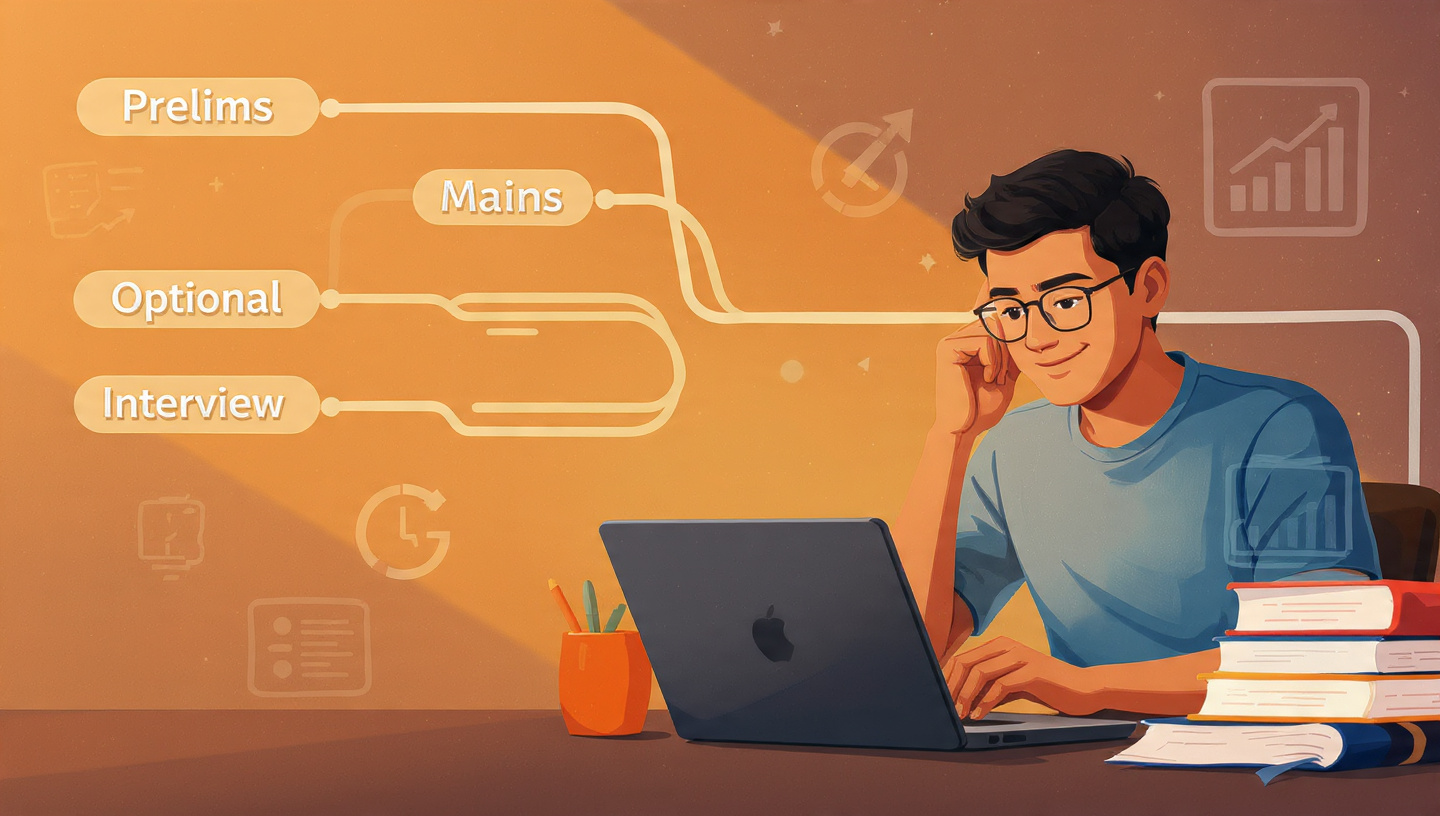
reparing for the Civil Services Examination (UPSC CSE) can feel like scaling a mountain without a map. It’s vast, unpredictable, and demands clarity, perseverance, and a well‑designed strategy. For beginners especially, the sheer complexity of the syllabus — spanning Prelims, Mains, and the Personality Test — often causes confusion and overwhelm before they even begin. That’s where a structured preparation framework can make all the difference. OTI IAS is one such platform that aims to transform UPSC aspirants’ preparation from chaotic to strategic, helping them start smart and stay on course through to the finish.
Understanding what OTI IAS offers and how it functions is essential before you decide to invest your time, energy, and resources. At its core, this platform is designed to provide clarity and direction through structured modules, performance tracking, and mentorship — features that many beginners find invaluable when embarking on their civil services journey.
What OTI IAS Is and Why It Matters
OTI IAS is positioned as a comprehensive prep platform tailored for UPSC aspirants who want guided preparation rather than unstructured self‑study. The platform blends a well‑planned curriculum with mentorship‑driven learning, ensuring that beginners don’t just study, but study with purpose and direction. Instead of leaving aspirants to piece together their own strategies, OTI IAS breaks down the massive UPSC syllabus into smaller, manageable segments aligned with General Studies papers, optional subjects, and current affairs.
This approach matters because one of the biggest pitfalls for beginners is not the syllabus itself, but the lack of a realistic plan to tackle it. UPSC preparation isn’t just about reading content — it’s about understanding how to learn and what to prioritize. The structured curriculum at OTI IAS helps aspirants make sense of the exam pattern and develop habits that sustain them through long periods of study, revision, and evaluation.
How the OTI IAS Learning Model Supports Beginners
One of the key strengths of OTI IAS is its digital learning model, which combines flexibility with accountability — something that self‑study often lacks. Lectures are delivered in a mix of recorded sessions and live interactions, allowing aspirants to learn at their own pace while still having fixed milestones to meet. This hybrid model makes the platform accessible to students from different geographic and time constraints, which is particularly useful for working professionals and college students preparing alongside other commitments.
Another critical feature is performance assessment. The platform incorporates regular mock tests for both Prelims and Mains, simulated interviews, and topic‑wise evaluations. These aren’t just add‑ons — they function as checkpoints that help aspirants measure progress, identify weak spots early, and adjust their preparation strategy accordingly. For beginners especially, this kind of feedback is crucial: it prevents stagnation and builds confidence by showing tangible improvement over time.
Curriculum Focus: From Concept Clarity to Strategy
At its foundation, OTI IAS emphasizes concept clarity. UPSC questions often test not surface‑level facts but a deep understanding of underlying themes in subjects like history, polity, economy, environment, and ethics. To help with this, the curriculum is divided into logical modules that cover essential topics methodically. Beginners no longer have to wonder where to start; they follow a roadmap that ensures all key areas are addressed within a planned timeline.
This structured coverage extends to optional subjects, which significantly impact the final ranking. Instead of leaving optional preparation as a last‑minute add‑on, the platform integrates focused modules and revision cycles that give each subject the attention it deserves. Such organization helps beginners avoid common traps like delayed optional planning or uneven effort distribution across subjects.
Mentorship and Progress Tracking: Staying Motivated
One of the most valuable aspects of OTI IAS is its mentorship system. UPSC preparation isn’t just academic; it’s psychological. Beginners often struggle with self‑doubt, plateaued progress, or inconsistent study patterns. Structured mentorship ensures aspirants receive personalized guidance, regular check‑ins, and strategic feedback. This kind of support doesn’t just enhance learning — it sustains motivation during the long and demanding journey toward the exam.
Progress tracking tools integrated within the platform allow aspirants to monitor performance over time. This isn’t about creating pressure, but about making preparation measurable and actionable. When aspirants see their strengths clearly and understand where they’re lagging, they can make targeted improvements rather than wasting time on ineffective study habits.
Why Structured Preparation Beats Chaos
For beginners especially, preparing for the UPSC exam without a clear structure can quickly lead to confusion and burnout. The vast syllabus and unpredictable question patterns often overwhelm self‑study aspirants who lack guidance. A platform like OTI IAS addresses this gap by offering a roadmap — a strategy that breaks the journey into achievable milestones and measurable goals. It balances syllabus coverage with regular evaluation, mentorship with flexible learning, and conceptual depth with strategic revision.
No coaching platform can replace your effort, resilience, and consistency. But for those starting out, having a structured, mentor‑led, and performance‑oriented system can minimize avoidable mistakes, save precious time, and build confidence — helping you not just start smart but finish strong.
In the end, success in the Civil Services Examination hinges on disciplined preparation, strategic planning, and sustained effort. Choosing a structured platform like OTI IAS can be a decisive factor in turning aspirants’ aspirations into achievements.
