

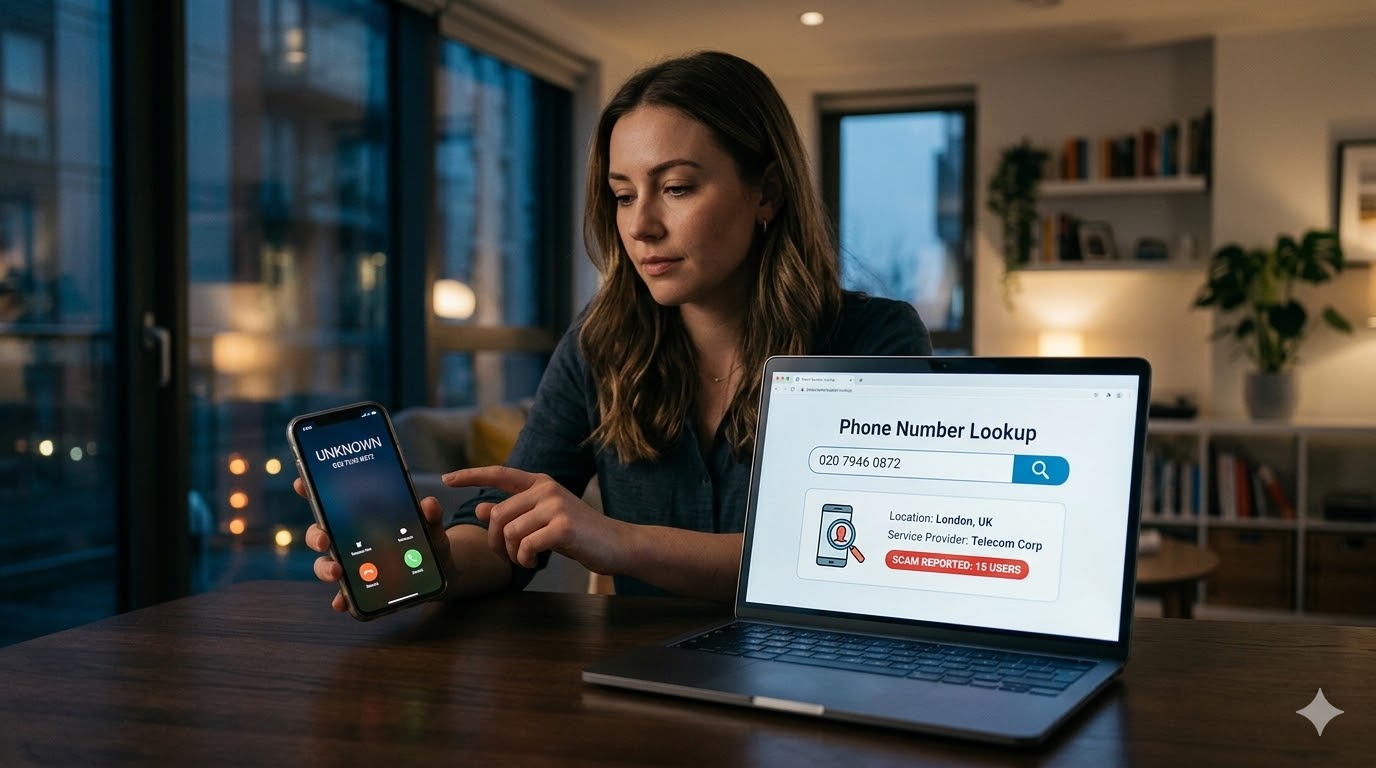
Receiving calls from unknown numbers can be unsettling, especially when you are unsure if the call is legitimate or a potential scam.
In today’s fast-paced digital world, unknown callers can come from anywhere, and phone number lookup tools have become essential for verifying identities and protecting your privacy.
A phone number lookup allows you to identify who is behind an unfamiliar call.
It provides valuable insights, such as the caller’s location, service provider, and whether other users have reported the number for suspicious activity.
By using these tools, you can make informed decisions about answering calls, returning missed calls, or blocking numbers that could pose a risk.
Why You Should Use Phone Number Lookup Services
Unknown calls can range from harmless telemarketing to sophisticated scams aimed at stealing personal or financial information.
Without proper verification, returning a call could lead to costly consequences or identity theft.
Phone number lookup services are designed to help you differentiate between legitimate contacts and potential threats.
These platforms aggregate data from public records, user reports, and online directories, allowing you to check the legitimacy of any number before engaging.
Using a reliable service not only reduces anxiety but also prevents unwanted interruptions and fraud attempts, giving you greater control over your communication.
Moreover, many scammers use tactics like caller ID spoofing to make their calls appear local or official.
A simple lookup can reveal discrepancies in the caller’s information and alert you to potential fraud, making it a critical step in staying safe.
How to Perform a Phone Number Lookup
Performing a phone number lookup is straightforward and can be done in several ways.
One common method is using online reverse lookup tools, where you input the unknown number and receive details about its origin and associated reports.
Another method is checking community-based apps and forums where users share experiences with suspicious calls.
These platforms provide real-world feedback and can indicate whether a number is associated with scams, telemarketing, or other unwanted activities.
For more official verification, public records databases or telecom provider directories can sometimes offer information about landline numbers, businesses, or registered entities.
However, not all numbers will appear in these records, particularly mobile or private numbers, so it’s important to combine multiple sources for the most accurate information.
When using a lookup service, always ensure it is reputable and respects user privacy.
Avoid entering personal information unnecessarily and be cautious of services that require payment without clear value or guarantees.
Recognizing Scams Through Phone Number Lookup
One of the primary benefits of phone number lookup is detecting scams before they escalate.
Many fraudsters use fake or masked numbers to pressure recipients into revealing sensitive information, transferring money, or installing malicious software.
By performing a lookup, you can identify if the number has been reported by others for scam activity.
Numbers linked to phishing, fraudulent surveys, or fake service calls often appear repeatedly in user reports, giving you an early warning.
Pay attention to patterns as well.
Scammers frequently call repeatedly, use urgency in their messages, or request confidential information like passwords, bank account numbers, or verification codes.
If a number exhibits these behaviors and lookup tools indicate previous complaints, it is safest to block the number immediately.
Even legitimate calls may require verification through a phone number lookup if you were not expecting the call.
Taking a few moments to confirm the caller’s identity can prevent mistakes and safeguard your personal information.
Best Practices for Using Phone Number Lookup Tools
To maximize the effectiveness of a phone number lookup, follow a few key guidelines.
First, always cross-reference information from multiple sources to ensure accuracy.
Relying on one tool alone may provide incomplete or outdated results.
Second, combine lookup results with common-sense evaluation.
Consider the context of the call, whether you recognize the area code, and if the caller has left a legitimate message.
Do not share personal or financial information over the phone unless you are certain of the caller’s identity.
Third, report suspicious numbers to your service provider or local authorities.
Many telecom companies and regulators maintain databases of reported scam numbers, helping to protect other users from fraud attempts.
Finally, maintain an updated list of blocked numbers and monitor new calls carefully.
Regular use of lookup tools can reduce interruptions, protect your data, and give you peace of mind in managing communications.
Conclusion
Phone number lookup is an essential tool for anyone who receives calls from unknown or suspicious numbers.
It allows you to identify legitimate callers, detect scams, and safeguard your privacy with confidence.
By combining online tools, community reports, and careful evaluation of call patterns, you can stay one step ahead of potential fraud.
Consistently using phone number lookup services helps protect your personal information, avoid scams, and maintain control over your communication in an increasingly connected world.
