

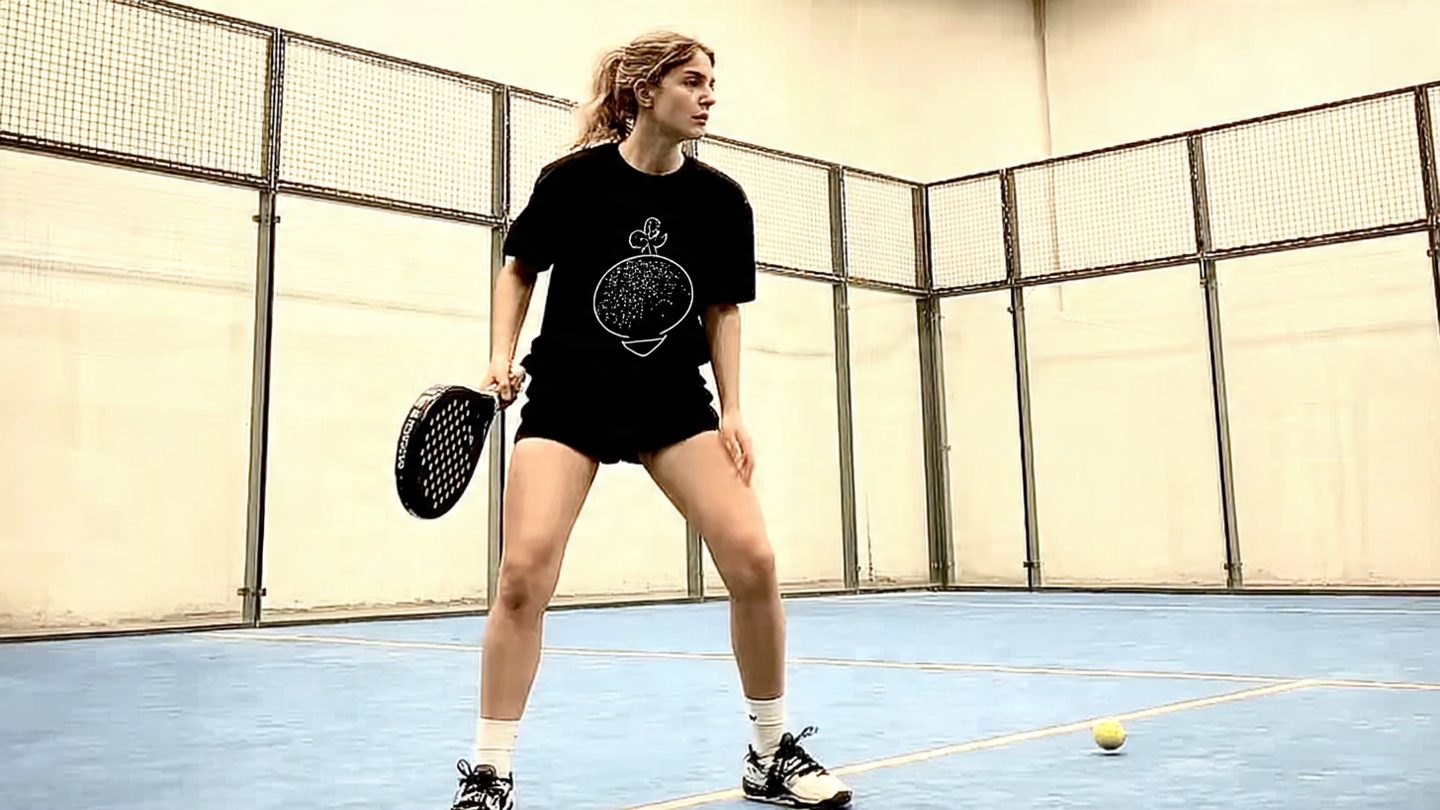
Padel, a sport often described as a hybrid between tennis and squash, has been quietly capturing the attention of sports enthusiasts in the Netherlands.
Once considered a niche activity, the game has rapidly evolved into a favorite for both recreational players and competitive athletes.
Its unique blend of social interaction, accessibility, and fast-paced action is fueling its rise across Dutch cities.
The Netherlands has a rich sporting culture, dominated historically by football, field hockey, and tennis.
However, the introduction of padel has tapped into a growing demand for accessible racket sports that combine strategy with physical activity.
Clubs across the country report surging memberships, with players drawn by the smaller court size and doubles format that encourages teamwork and interaction.
The Origins of Padel and Its Arrival in the Netherlands
Padel originated in Mexico in the 1960s before gaining widespread popularity in Spain and Argentina.
Its expansion into Europe came later, with countries like Spain setting the stage for a thriving international padel community.
In the Netherlands, the sport started gaining visibility in the early 2000s, but it remained relatively underground, often limited to private clubs and enthusiastic expatriate communities.
Over the past decade, the momentum has shifted dramatically.
The establishment of public courts and the support of national sports organizations have made padel far more accessible.
Organizations like the Dutch Padel Federation (Nederlandse Padel Bond) have been instrumental in promoting tournaments, youth programs, and training initiatives to expand the sport nationwide.
Why Padel Appeals to Dutch Players
Several factors contribute to padel’s growing popularity in the Netherlands.
First, the sport is easy to learn, making it accessible to people of all ages and skill levels.
Unlike tennis, padel courts are smaller, and the walls are part of the gameplay, which reduces the physical strain while keeping the game dynamic and engaging.
Second, padel’s social component resonates strongly with Dutch culture.
Most games are played in doubles, encouraging teamwork and conversation during play.
The sport’s approachable nature means that newcomers can quickly join in, fostering a sense of community and camaraderie that traditional racket sports sometimes lack.
Finally, padel offers an efficient workout.
Players engage in short bursts of movement, which improves agility, coordination, and cardiovascular health.
This combination of fun, social interaction, and fitness makes padel an attractive alternative to more traditional sports, especially for busy urban professionals.
The Role of NLPadel in the Sport’s Expansion
NLPadel has emerged as a key player in the promotion and development of padel in the Netherlands.
Through strategic partnerships with local clubs, sporting organizations, and event sponsors, the platform provides resources for players, coaches, and fans alike.
Its website offers guides on court locations, upcoming tournaments, coaching programs, and community initiatives, making it easier than ever for newcomers to engage with the sport.
Moreover, NLPadel actively supports competitive play.
Regional and national tournaments now attract players from all over the country, including international participants, raising the profile of Dutch padel on the European stage.
By highlighting both recreational and competitive opportunities, NLPadel ensures that the sport continues to grow across multiple levels of participation.
Challenges and Future Prospects
Despite its growth, padel in the Netherlands faces challenges.
One of the main obstacles is the limited availability of indoor courts, which are crucial given the country’s rainy climate.
Waitlists for popular clubs can be long, and building additional courts requires investment and municipal support.
However, the outlook remains optimistic.
The popularity of padel among younger players, combined with increasing media coverage and corporate sponsorship, suggests continued growth in the coming years.
As NLPadel and other organizations expand programs for youth development, coaching certification, and public awareness, the sport is poised to move from a niche pastime to a mainstream favorite.
Conclusion
Padel’s rise in the Netherlands reflects a broader trend in global sports: people are seeking activities that combine fitness, fun, and social connection.
NLPadel has been at the forefront of this movement, promoting accessibility, competitive play, and community engagement.
From quiet beginnings in private clubs to a nationwide surge in popularity, padel is no longer a secret in the Netherlands—it’s a growing phenomenon that shows no signs of slowing down.
As more courts open, programs expand, and players discover the joy of the game, the Netherlands is set to become one of Europe’s leading hubs for padel.
Whether you are a casual player looking for a fun weekend activity or an aspiring competitor aiming for national recognition, padel offers an exciting and inclusive sporting experience that is only just beginning to flourish in Dutch culture.
