

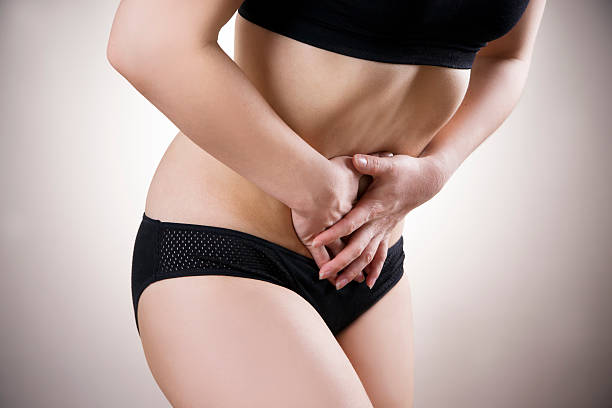
Have you ever heard the term FUPA and wondered what it really means? This often-misunderstood acronym stands for “Fat Upper Pubic Area,” and it’s a topic that can evoke mixed feelings in many. Whether you’re dealing with lower belly fat, loose skin after weight loss, or simply looking to understand your body better, this blog is here to shed light on all things FUPA.
Understanding why it occurs is key to managing it effectively. But don’t worry; if you’ve been feeling self-conscious about yours, know that you’re not alone. Many people experience changes in their bodies due to various factors like genetics, lifestyle choices, and even age. In the following sections, we’ll dive deep into what causes a FUPA while offering practical tips on diet and exercise to help you reclaim your confidence.
So grab a seat as we unravel the mysteries of FUPA together—because every body deserves respect and understanding!
What is a FUPA and its Causes?
A FUPA, or Fat Upper Pubic Area, refers to the layer of fat that sits above the pubic bone and below the belly button. It can vary in size and shape from person to person. While often associated with weight gain, it’s not solely about being overweight.
Several factors contribute to the development of a FUPA. Genetics play a significant role; some individuals are predisposed to store fat in this area. Hormonal changes, especially during pregnancy or menopause, can also lead to fat accumulation.
Lifestyle choices matter too. A sedentary lifestyle combined with poor eating habits promotes lower belly fat retention. Stress is another factor; it triggers hormonal imbalances that encourage body fat storage.
Understanding these causes helps demystify why many experience a FUPA and sets the stage for effective management strategies moving forward.
The Connection between Lower Belly Fat and FUPA
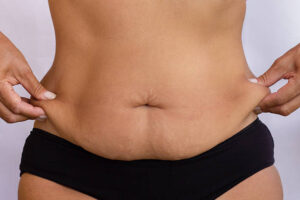
Lower belly fat and FUPA are closely linked. The term “FUPA,” which stands for “Fat Upper Pubic Area,” refers to the excess fat that develops in the lower abdomen, just above the pubic bone. This area can be particularly stubborn.
Several factors contribute to this condition, including genetics, hormonal changes, and lifestyle choices. Stress often plays a significant role as well. When cortisol levels rise, your body may store more fat around the midsection.
Diet also matters greatly. Consuming high amounts of sugar and processed foods can lead to weight gain in this region. Lack of exercise compounds the problem further by not allowing you to burn off those extra calories effectively.
Understanding this connection is crucial for anyone looking to manage their FUPA and achieve a healthier physique.
How to Get Rid of FUPA: Diet and Exercise Tips
To tackle FUPA, a balanced diet plays a crucial role. Focus on whole foods like fruits, vegetables, lean proteins, and healthy fats. These nutrient-dense options help reduce overall body fat.
Incorporating cardio exercises can boost your metabolism. Activities like brisk walking, cycling, or swimming are effective choices. Aim for at least 150 minutes of moderate aerobic activity each week.
Strength training should not be overlooked either. Targeting the core with exercises such as planks and leg raises helps tone the lower belly area. Building muscle increases metabolism and burns fat more efficiently.
Stay hydrated too! Drinking plenty of water aids digestion and keeps you feeling full longer. Limit processed foods high in sugar and salt; they contribute to bloating and weight gain.
Small adjustments in your daily routine can yield significant results over time when it comes to reducing FUPA.
Loose Skin and FUPA: Can it be Fixed?
Loose skin can often accompany a FUPA, especially after significant weight loss or pregnancy. This condition arises when the skin stretches and lacks elasticity.
The good news is that there are options to address loose skin. A combination of strength training and targeted exercises can help tighten the area. Building muscle underneath the skin may create a firmer appearance.
Additionally, some people consider non-invasive treatments like radiofrequency therapy or ultrasound for tightening effects. These procedures stimulate collagen production, improving overall firmness.
For those seeking surgical solutions, options such as a tummy tuck might be worth exploring. Consulting with a qualified plastic surgeon can provide insight into what’s best for individual needs.
Skin care also plays an important role in maintaining elasticity. Hydration and using products rich in vitamins C and E can support healthier-looking skin around your lower belly area.
Real Solutions for Managing and Eliminating FUPA
Managing and eliminating FUPA involves a combination of lifestyle changes and targeted strategies. Start with diet adjustments. Incorporating whole foods, lean proteins, and plenty of vegetables can make a significant difference. Reducing processed sugars is also essential.
Exercise plays a crucial role. Focus on both cardio and strength training to burn fat while building muscle around your core areas. Engaging in activities like pilates or specific lower abdominal exercises can help tone the area effectively.
Consider hydration as well; drinking enough water can reduce bloating, making the lower belly appear less pronounced.
For those looking for faster results, non-invasive procedures such as CoolSculpting may be an option worth exploring. Consulting with professionals ensures you find the safest approach tailored to your needs.
Mental health matters too—practicing self-compassion helps in accepting one’s body during this journey toward change.
Empowering Body Positivity: Embracing Your FUPA
Embracing your FUPA is an act of self-love. It’s about recognizing that every body has its unique features, and yours tells a story of resilience.
The journey to body positivity starts with acceptance. Instead of hiding or feeling ashamed, celebrate your curves. They are part of who you are—flaws and all.
Shift the focus from societal standards to personal comfort. Wear what makes you feel good, regardless of trends. Confidence radiates from within, and that glow is contagious.
Connect with others who share similar experiences. Online communities can provide support and understanding while fostering a sense of belonging.
Remember, your value isn’t defined by appearance alone. Embrace your FUPA as a badge of honor—a testament to life’s ups and downs. This mindset frees you from negativity and opens doors to genuine happiness in your own skin.
Conclusion
Understanding FUPA is a journey many embark on, and it’s essential to recognize that each person’s experience is unique. The causes of FUPA can vary widely—from genetics to lifestyle choices—making it crucial to approach this topic with an open mind.
Lower belly fat plays a significant role in the formation of FUPA. It often stems from accumulated body fat due to factors such as hormonal changes, diet, or lack of physical activity. Recognizing these connections enables individuals to create effective strategies for managing their bodies.
When seeking ways to reduce FUPA, focusing on nutrition and exercise can yield positive results. Incorporating whole foods into your diet and engaging in regular physical activity not only aids in weight loss but also helps tone the abdominal area over time.
Loose skin may accompany weight fluctuations or pregnancy-related changes, which can complicate one’s relationship with their body image. While some treatments are available for tightening skin, embracing one’s natural form remains equally important.
Real solutions exist beyond just diets and exercises; they include fostering a supportive community around body positivity. Encouraging self-acceptance while working towards personal health goals creates a balanced approach towards dealing with any concerns related to FUPA.
The journey towards understanding your body should be filled with compassion for yourself at every stage. Embracing your uniqueness allows you to celebrate who you are while actively pursuing wellness in all aspects of life.
