

Introduction: High Hopes Meet Disappointment
When The Midnight Sky was first announced, expectations were sky-high. Directed by George Clooney, who also stars in the film, it promised a gripping post-apocalyptic story blending human emotion, science fiction, and spectacular visuals. However, the final product leaves a sense of missed opportunity.
The premise is intriguing: a lone scientist, Augustine, races against time to warn a returning spaceship crew about a catastrophic event on Earth. On paper, it has all the ingredients for a gripping sci-fi epic. Yet, despite its potential, the movie struggles to maintain tension, emotional resonance, and narrative clarity throughout its runtime.
Visual Brilliance Overshadowed by Weak Storytelling
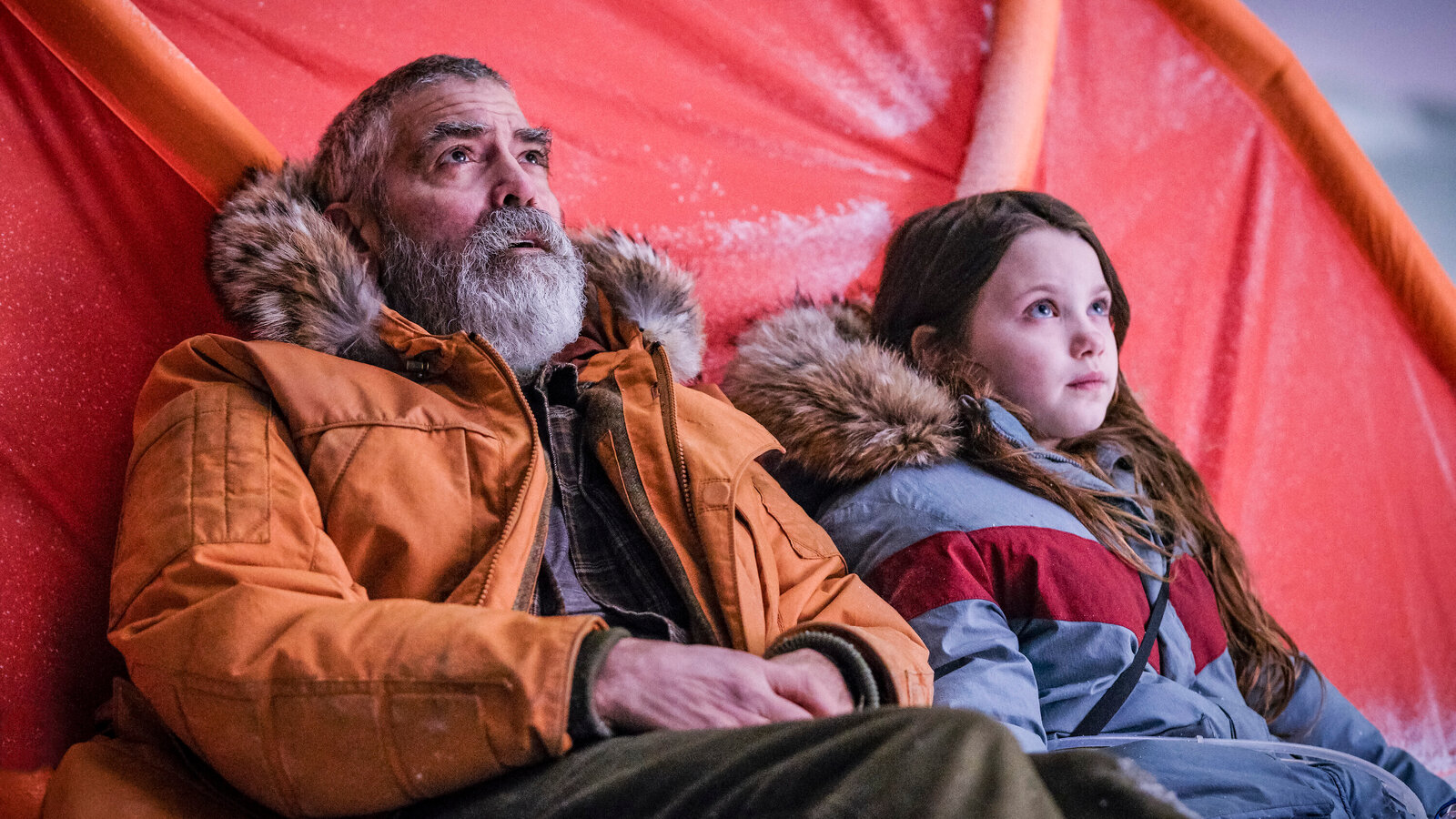
One undeniable strength of The Midnight Sky is its cinematography. The film’s visuals are breathtaking, from the icy landscapes of the Arctic to the haunting expanse of space. Every frame is carefully composed, immersing viewers in a cold, desolate world that feels both real and surreal.
However, this visual mastery cannot mask the film’s narrative weaknesses. The storyline is uneven, often jumping between past and present in ways that feel disjointed rather than purposeful. While flashbacks attempt to provide depth to Augustine’s character, they frequently interrupt the flow of the story, leaving audiences disengaged.
Moreover, the plot leans heavily on familiar sci-fi tropes without adding meaningful innovation. The stakes feel abstract, and the tension, which should drive the film, rarely lands with impact. For a movie that relies so much on suspense, these gaps are particularly glaring.
Characters That Struggle to Connect
Character development in The Midnight Sky is another area where the film falters. George Clooney’s portrayal of Augustine is compelling in moments of quiet reflection, yet the supporting characters, particularly the spaceship crew, lack depth.
The emotional connections, which should form the heart of the story, often feel forced. Audiences are given little reason to care about the crew’s fate or Augustine’s personal journey beyond surface-level motivation. In a genre where human drama anchors high-concept science fiction, this lack of connection undermines the film’s emotional resonance.
Pacing Issues and Narrative Gaps
Pacing is a critical aspect of any sci-fi thriller, and unfortunately, The Midnight Sky struggles here. The film alternates between slow, contemplative scenes and sudden bursts of tension, creating a jarring rhythm that disrupts viewer engagement.
Certain plot points feel underexplored, leaving critical questions unanswered. The film raises moral and philosophical dilemmas but rarely delves deep enough to provide meaningful insight. As a result, what should have been thought-provoking often comes across as underwhelming or even forgettable.
Performances and Direction: Mixed Results
Despite these flaws, the film is not without merit. George Clooney delivers a nuanced performance, conveying weariness, hope, and regret with subtlety. Supporting actors contribute moments of sincerity, yet their characters are too underdeveloped to leave a lasting impact.
Clooney’s direction demonstrates ambition and skill in crafting visually striking sequences, but even a talented director cannot fully compensate for a script that struggles with pacing, clarity, and emotional depth.
Conclusion: A Beautiful but Flawed Vision
The Midnight Sky is a film that is easy to admire and difficult to love. Its visual storytelling is undeniably impressive, yet the weak narrative, underdeveloped characters, and uneven pacing prevent it from achieving its full potential.
For audiences who value stunning visuals and contemplative sci-fi, there is still something to appreciate. However, for those seeking a tightly woven story and emotional engagement, the film may feel like a disappointing miss. Ultimately, The Midnight Sky serves as a reminder that cinematic ambition alone cannot replace solid storytelling.
