

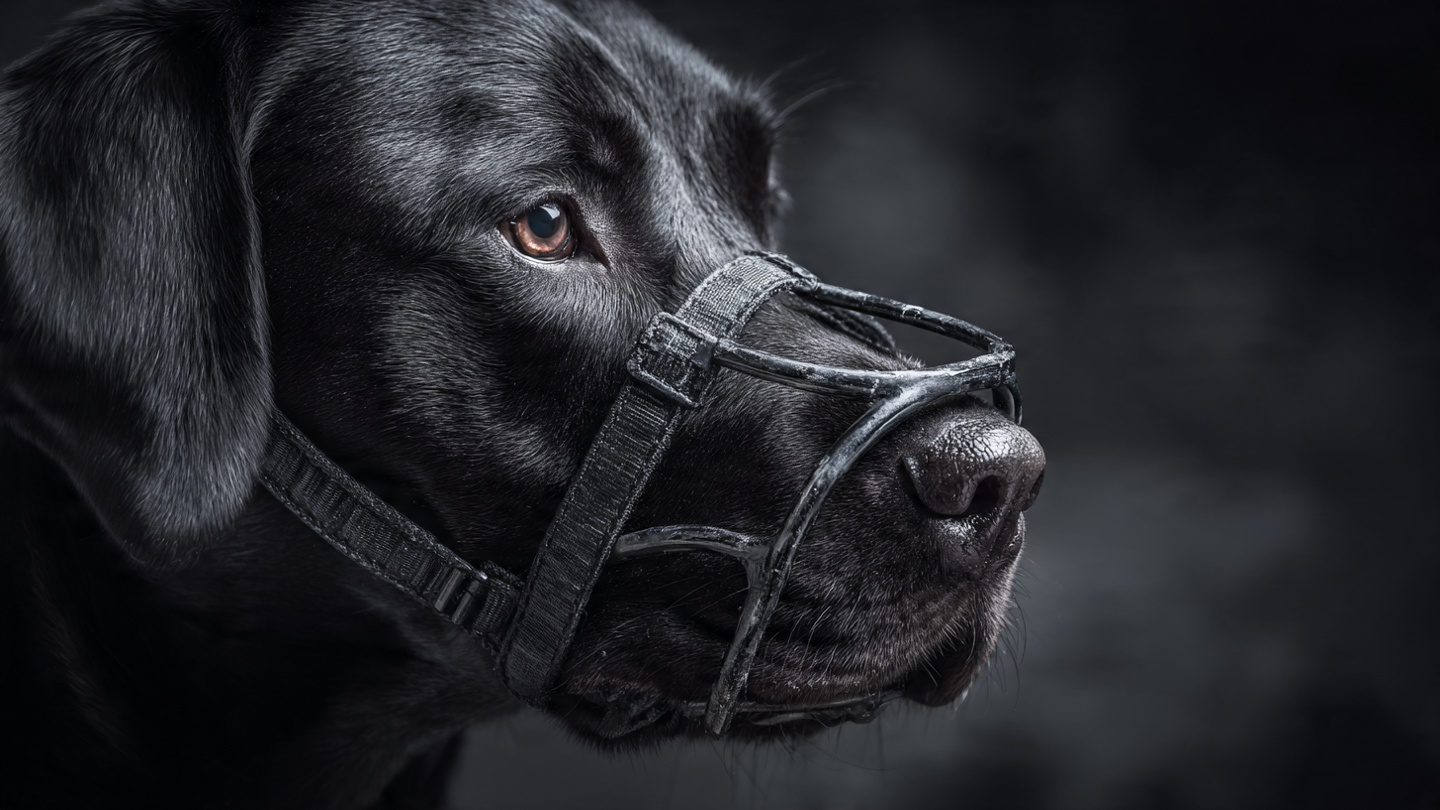
Choosing the right dog muzzle is not about restriction or punishment.
It is about protection, responsibility, and ensuring comfort for both dogs and the people around them.
When selected and used correctly, a dog muzzle can prevent unwanted incidents while allowing your dog to feel calm, secure, and respected.
Understanding how to choose the best dog muzzle starts with knowing your dog’s needs, behavior, and daily environment.
Understanding Why Dogs Need a Muzzle
Dog muzzles are commonly misunderstood.
They are often associated with aggression, but in reality, muzzles are widely used for safety, training, and medical care.
Some dogs require a muzzle during veterinary visits, grooming sessions, or stressful travel situations.
Others may need one temporarily while learning new behaviors or adjusting to unfamiliar environments.
A properly chosen muzzle protects everyone involved while giving your dog space to feel safe rather than overwhelmed.
Comfort Comes Before Control
The most important factor in selecting a dog muzzle is comfort.
A muzzle should never cause pain, restrict breathing, or prevent normal movement.
Dogs must be able to open their mouths, pant, and drink water while wearing a muzzle.
Panting is essential for temperature regulation, especially during walks or warm weather.
Comfort-focused muzzles reduce anxiety and make long-term or repeated use safer and more humane.
Different Types of Dog Muzzles Explained
Not all muzzles are created equal.
Each type serves a specific purpose, and choosing the wrong one can create discomfort or risk.
Basket muzzles are considered the safest and most comfortable option for most dogs.
They allow full panting, drinking, and even accepting treats, making them ideal for extended use.
Soft fabric muzzles are designed for very short periods, such as grooming or vet exams.
They limit mouth movement and should never be used for exercise or extended wear.
Understanding the purpose of each style helps prevent misuse and ensures your dog’s well-being.
Finding the Right Fit for Your Dog
Fit is just as important as muzzle type.
A poorly fitted muzzle can cause chafing, pressure points, or breathing difficulties.
Measure your dog’s snout length, circumference, and width before purchasing.
Each brand varies slightly, so always follow the manufacturer’s sizing guide.
The muzzle should sit securely without pressing into your dog’s eyes or rubbing sensitive areas.
You should be able to fit one finger comfortably between the muzzle and your dog’s skin.
Material Matters for Safety and Durability
The material of a dog muzzle directly affects comfort and long-term usability.
Lightweight materials reduce strain on the dog’s neck and face.
Plastic and rubber basket muzzles are popular because they are durable and gentle on the skin.
Metal muzzles provide extra strength but should be padded properly to avoid discomfort.
Soft interior padding prevents friction and makes the muzzle more acceptable for your dog over time.
Matching the Muzzle to Your Dog’s Lifestyle
Your dog’s daily routine plays a key role in choosing the best muzzle.
Active dogs need breathable designs that support movement and exercise.
Dogs who only require a muzzle during short appointments may benefit from simpler options.
For walking, training, or public outings, basket muzzles offer the best balance of safety and freedom.
Always consider when, where, and how long your dog will wear the muzzle.
Introducing the Muzzle Positively
Even the best dog muzzle will fail if introduced incorrectly.
Dogs need time to feel comfortable and confident wearing new equipment.
Start by allowing your dog to sniff and explore the muzzle.
Use treats and praise to create positive associations before securing it.
Gradual introduction builds trust and reduces fear, turning the muzzle into a neutral or even positive experience.
Common Mistakes to Avoid
One of the biggest mistakes is choosing a muzzle that is too tight or restrictive.
Another is using a short-term muzzle for extended wear.
Never leave a muzzled dog unattended.
Avoid using muzzles as a substitute for training or behavioral support.
The goal is safety and comfort, not control through force.
When to Consult a Professional
If you are unsure which muzzle is best for your dog, consult a veterinarian, trainer, or behavior specialist.
They can recommend options based on your dog’s behavior, breed, and specific needs.
Professional guidance ensures you choose a solution that protects your dog’s physical and emotional health.
Final Thoughts
Choosing the best dog muzzle for comfort and safety requires thoughtful consideration.
The right muzzle supports breathing, movement, and confidence while preventing harmful situations.
By focusing on fit, material, purpose, and positive introduction, you ensure your dog remains safe without sacrificing comfort.
A well-chosen muzzle is not a limitation—it is a responsible tool that strengthens trust and promotes harmony in everyday life.
