

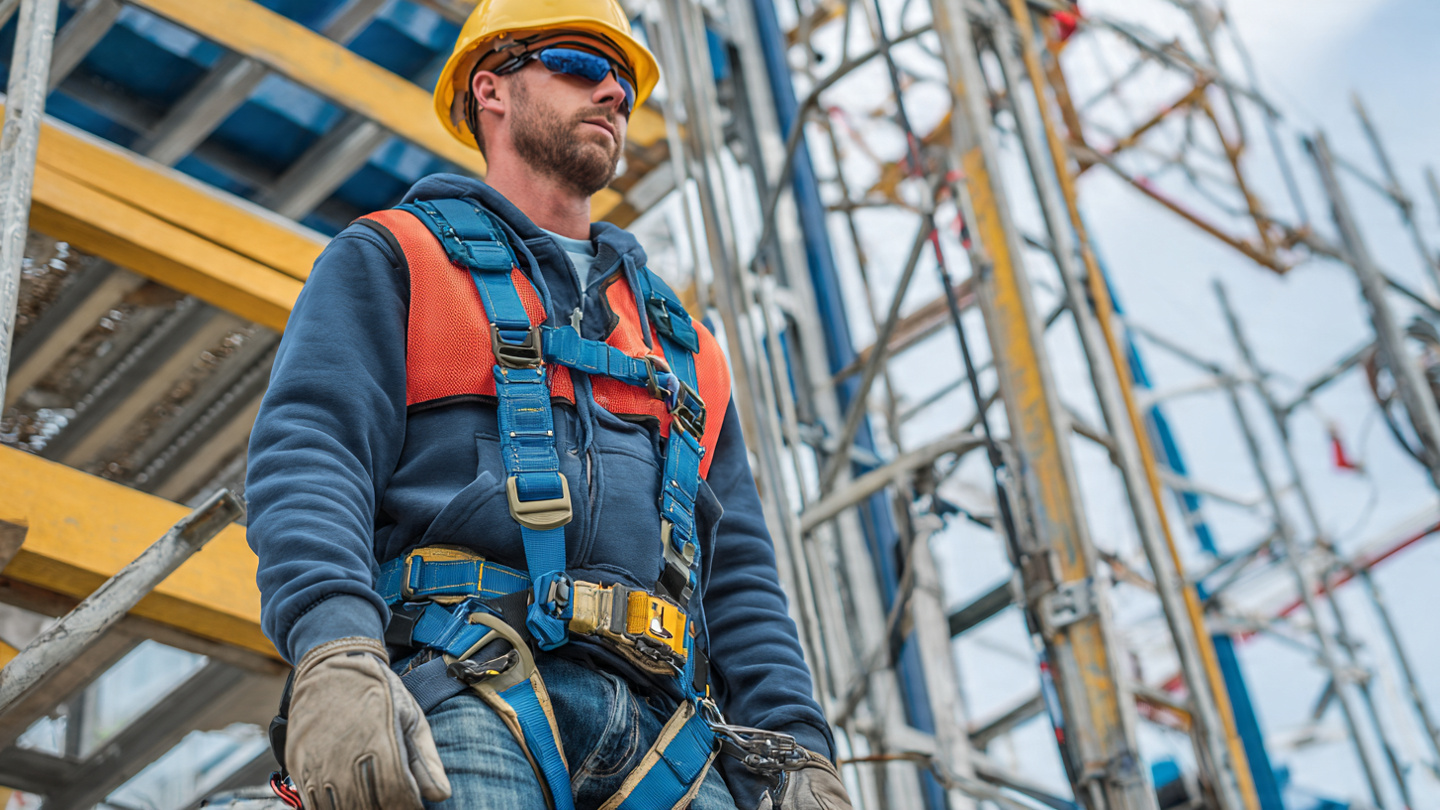
In industries where safety is paramount, such as construction, manufacturing, and logistics, the protection of workers is a top priority.
One of the most critical components of worker safety is the proper use and management of safety harnesses.
MyHarness emerges as a revolutionary solution designed to transform harness tracking and safety management, ensuring that safety protocols are not only met but exceeded.
This innovative platform integrates advanced tracking technology with comprehensive safety management tools, creating a seamless system that enhances worker safety and operational efficiency.
What Is MyHarness?
MyHarness is an advanced safety management system specifically developed to monitor, track, and manage safety harnesses used across various industries.
It combines cutting-edge GPS and RFID technology with cloud-based software to provide real-time visibility into harness usage, location, and maintenance status.
The platform is designed to help organizations ensure compliance with safety regulations, reduce equipment loss, and promote a culture of safety among workers.
By digitizing the entire harness lifecycle—from issuance and inspection to replacement and retirement—MyHarness simplifies safety management processes and minimizes human error.
How Does MyHarness Work?
At its core, MyHarness operates through an interconnected network of digital devices and cloud-based software.
Each harness is equipped with RFID tags or GPS trackers that communicate with nearby receivers or mobile devices, providing precise data on their location and usage.
When a worker puts on a harness, the system automatically logs its deployment, recording the user’s identity, time, and location.
Periodic inspections can also be scheduled and documented within the platform, ensuring that every harness meets safety standards before use.
The real power of MyHarness lies in its ability to deliver live data, accessible via user-friendly dashboards on desktop and mobile devices.
Managers can monitor harness status across multiple sites, receive alerts for overdue inspections or maintenance needs, and generate detailed reports for compliance purposes.
Why Is MyHarness Important?
The importance of MyHarness extends beyond simple equipment tracking; it addresses fundamental safety and operational concerns.
First, it significantly reduces the risk of accidents caused by worn or faulty harnesses, as the system ensures that every piece of equipment is regularly inspected and properly maintained.
Second, it streamlines safety protocols, saving time and reducing administrative burdens.
Instead of manual logs and paper-based inspections, safety managers can rely on automated digital records that are easily accessible and verifiable.
This automation not only improves accuracy but also fosters a proactive safety culture within organizations, encouraging workers to adhere to best practices consistently.
Furthermore, MyHarness enhances compliance with occupational safety regulations set by authorities such as OSHA or ISO standards.
By maintaining detailed records of harness inspections, usage, and replacements, organizations can demonstrate their commitment to safety during audits and inspections.
In addition, the platform helps prevent equipment loss and theft, which can be costly and compromise safety.
By tracking harnesses throughout their lifecycle, companies can quickly identify missing or misplaced equipment and take corrective action.
The Future of Safety Management with MyHarness
As technology continues to evolve, the potential for platforms like MyHarness to further improve safety management is immense.
Integration with IoT devices, artificial intelligence, and data analytics will enable even smarter safety solutions.
Predictive analytics can identify patterns indicating equipment wear or misuse, allowing organizations to intervene before accidents occur.
Moreover, the scalability of MyHarness ensures that it can serve organizations of all sizes, from small contractors to large multinational corporations.
Its flexible design allows for customization based on industry-specific needs and safety protocols, making it a versatile tool in the ongoing quest for safer workplaces.
Conclusion
MyHarness represents a significant advancement in worker safety and equipment management.
By leveraging innovative technology, it provides real-time visibility, automates inspections, and ensures compliance—transforming how organizations manage harness safety.
In industries where safety cannot be compromised, adopting solutions like MyHarness is not just an option but a necessity.
With its ability to improve safety standards, reduce operational costs, and foster a proactive safety culture, MyHarness is shaping the future of occupational safety management.
