

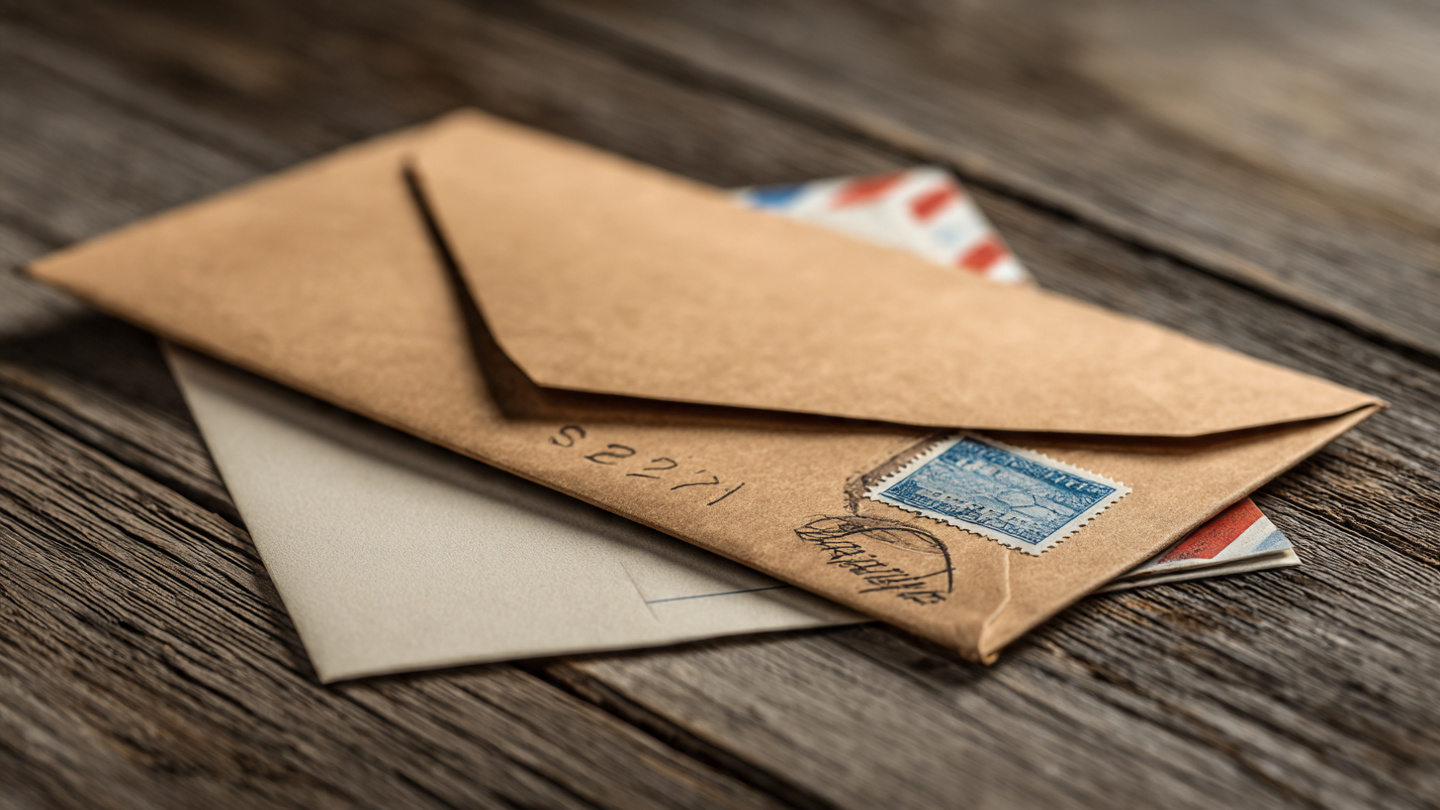
Receiving a letter from Cardholder Services in Jacksonville, Florida, with the ZIP code 32255, can evoke a mix of curiosity and concern. Many recipients wonder whether such correspondence is legitimate or part of a scam. Understanding what these letters typically represent and how to respond appropriately is essential for protecting your personal information and financial health. This article aims to provide a comprehensive overview of what a Cardholder Services letter from Jacksonville, Florida 32255, might mean and the best practices for handling it.
What Is a Cardholder Services Letter?
A Cardholder Services letter generally refers to communication from a company that claims to offer assistance related to credit card management. These letters often promise debt relief, credit counseling, or promotional credit card offers. Sometimes, they are sent by legitimate financial institutions or credit organizations as part of their marketing or customer outreach efforts.
However, it’s important to recognize that not all correspondence bearing these details is authentic. Scammers frequently use similar language and local addresses, such as Jacksonville, Florida 32255, to make their messages appear credible. The key is to scrutinize the content carefully and verify the sender’s legitimacy before taking any action.
Common Reasons You Might Receive Such a Letter
Recipients often receive these letters for various reasons, some legitimate and others suspicious. One common reason is an offer for debt relief or credit counseling. These companies may claim they can help reduce your credit card debt or consolidate multiple balances into a manageable payment plan.
Another reason is promotional campaigns from credit card companies seeking to attract new customers by inviting recipients to apply for a new card with rewards or low-interest rates. Sometimes, these letters are pre-approved credit offers based on your credit profile, aimed at enticing you to open new accounts.
Unfortunately, scammers also use similar tactics, sending fake letters to gather personal information or lure recipients into fraudulent schemes. These illegitimate messages often contain urgent language, suspicious contact details, or offers that seem too good to be true.
How to Determine the Legitimacy of the Letter
When you receive a Cardholder Services letter, verifying its authenticity is crucial. Start by examining the sender’s details carefully. Look for official logos, contact information, and physical addresses, and ensure they match the records of legitimate companies. The address in Jacksonville, FL 32255, should align with the organization’s known mailing addresses, which you can verify through online searches or official websites.
Personalization is another indicator of legitimacy. Genuine companies often personalize their letters with your full name and specific account details. Conversely, scam letters tend to use generic greetings or lack personal information altogether.
Beware of any language that creates a sense of urgency or pressure to act immediately. Scammers often use threatening or urgent language to prompt quick decisions without proper verification. Always verify any contact information provided by cross-referencing it with official sources rather than using the contact details in the letter.
Research the sender’s name online to find reviews, complaints, or scam reports. If you find multiple reports indicating suspicious activity, it’s best to proceed with caution or ignore the letter altogether.
How to Respond Appropriately to a Cardholder Services Letter
If you determine that the letter is legitimate, the next step is to respond cautiously. Never share sensitive personal or financial information through mail or email unless you are certain of the sender’s identity. Avoid providing your Social Security number, bank account details, or passwords unless you initiate contact through official channels.
The safest approach is to contact your credit card issuer or financial institution directly using the phone number printed on your card or your official account statements. Do not use the contact details provided in the suspicious letter, especially if you have doubts about its authenticity. This direct verification can confirm whether the offer or message is genuine.
If the letter appears suspicious or you suspect it is part of a scam, do not engage with it. Instead, report the communication to relevant authorities such as the Federal Trade Commission (FTC) or the Better Business Bureau. You can also discard the letter safely once you’ve noted the details and verified that no action is necessary.
Protecting Yourself from Scams and Fraudulent Communications
Being vigilant when handling unsolicited letters from Cardholder Services is vital to avoid falling victim to scams. Scammers often use local addresses like Jacksonville, Florida 32255, to lend credibility to their messages. Always scrutinize the language used, look for inconsistencies, and verify the sender’s identity before responding or sharing personal information.
It is also advisable to review your credit reports regularly and monitor your bank accounts for suspicious activity. Keeping your contact information updated with your financial institutions ensures that you receive legitimate notices and reduces the risk of falling prey to fraudulent communications.
Final Thoughts
A Cardholder Services letter from Jacksonville, Florida 32255, can be either a legitimate communication or a scam. Recognizing the signs of authenticity and responding appropriately can save you from potential financial loss and identity theft. Always verify the sender’s identity through official channels and avoid rushing into decisions based on urgent language or offers that seem too good to be true.
In today’s digital age, staying informed and cautious is your best defense against scams. When in doubt, consult a financial advisor or consumer protection expert for personalized guidance. By taking these steps, you can ensure your financial safety and peace of mind when handling unsolicited correspondence from Cardholder Services.
