

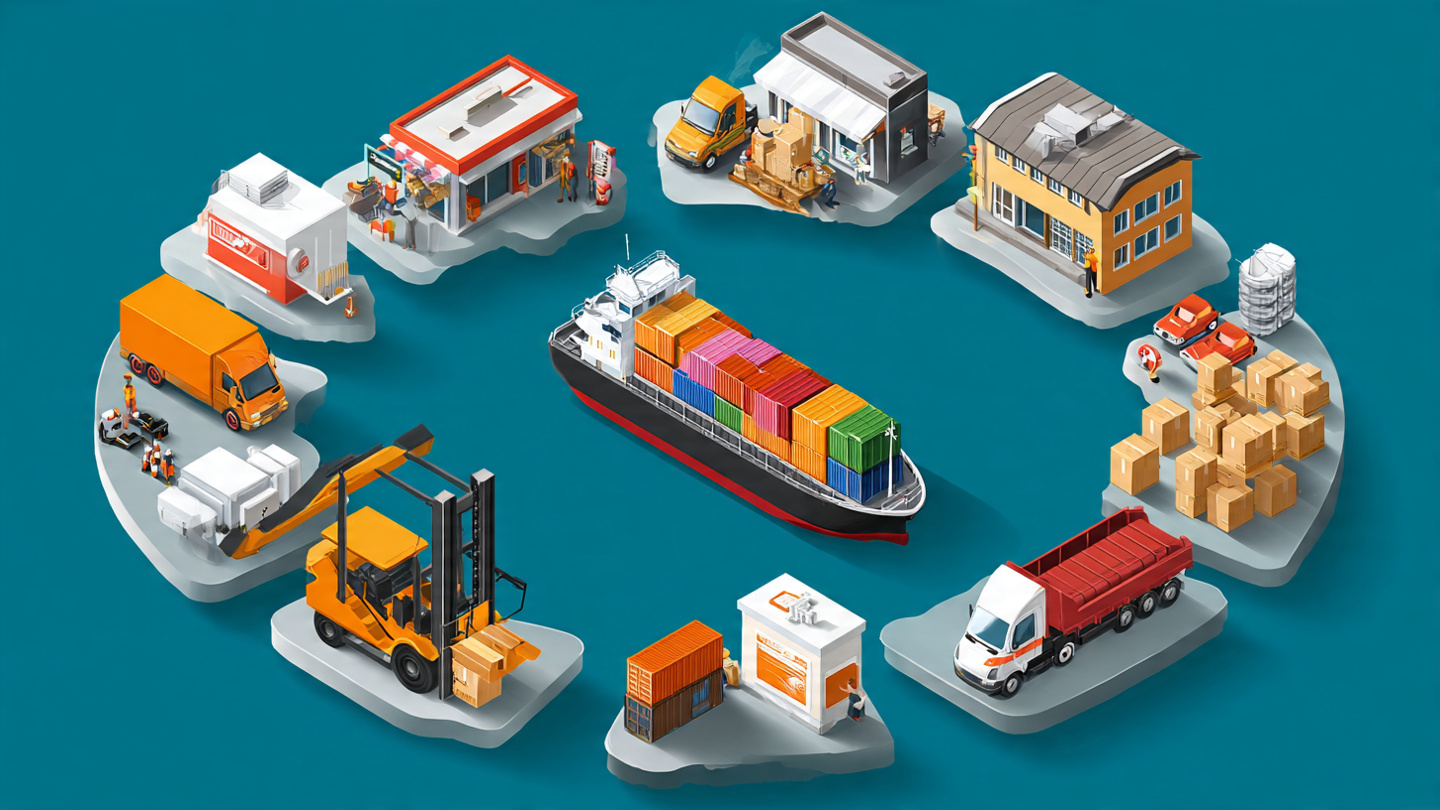
Commerce is the backbone of modern economies, shaping how goods, services, and information flow across local and global markets. At its core, commerce refers to the activities involved in buying and selling products and services, whether for profit or social utility. It extends beyond simple trade to include a range of supporting processes such as marketing, logistics, finance, and legal regulation. Understanding commerce is essential not only for business professionals but also for students, consumers, and policymakers, as it directly impacts economic growth, employment, and the standard of living. Over time, commerce has evolved from traditional barter systems to complex global networks, integrating technology, digital platforms, and international trade policies.
Types of Commerce: Trade, Business, and Beyond
Commerce can be broadly categorized into trade and auxiliary activities, each serving distinct roles in the economic ecosystem. Trade itself involves the exchange of goods and services and can occur on different scales—retail trade, where products reach the end consumers, and wholesale trade, which involves bulk transactions between businesses. In addition to trade, commerce includes several supporting activities such as banking, insurance, transportation, warehousing, and advertising. These functions ensure that products reach consumers efficiently and that transactions are safe, secure, and financially viable. Modern commerce increasingly relies on digital tools, e-commerce platforms, and mobile technologies to facilitate seamless trade, bridging distances and enhancing market reach.
The Role of Technology in Commerce
Technology has revolutionized commerce, transforming traditional methods of business into digital experiences. E-commerce platforms, mobile payment systems, and supply chain management software have made buying and selling faster, safer, and more convenient. Businesses can now track inventory in real time, manage customer relationships, and analyze consumer behavior using advanced analytics. Additionally, technology enables cross-border commerce by simplifying currency conversions, shipping logistics, and regulatory compliance. Innovations like blockchain, artificial intelligence, and automation continue to redefine commerce, reducing operational costs while increasing transparency and efficiency. Understanding these technological advancements is crucial for anyone aiming to succeed in today’s competitive marketplace.
Key Components of Commerce
Commerce is supported by several interdependent components that ensure smooth operations. Marketing and advertising help businesses communicate the value of their products to the target audience. Finance and banking services provide the necessary capital for business expansion and secure payment methods. Transportation and logistics ensure timely delivery of goods across various locations. Legal and regulatory frameworks safeguard consumer rights and maintain fair competition in the market. Each component plays a critical role in maintaining the integrity and efficiency of commerce. A disruption in any of these areas can have widespread consequences, affecting both businesses and consumers alike.
Global Commerce: Trade Across Borders
Global commerce, also known as international trade, is a major driver of economic growth worldwide. It allows countries to specialize in producing goods where they have a competitive advantage while importing products that are more efficiently produced elsewhere. This exchange fosters innovation, improves efficiency, and expands market opportunities. International commerce is governed by trade agreements, tariffs, customs regulations, and global economic policies. While it offers significant benefits, it also presents challenges such as currency fluctuations, political instability, and cultural differences. Understanding global commerce is essential for businesses aiming to operate internationally and for governments formulating trade policies that encourage sustainable economic growth.
Commerce and the Consumer Experience
At the heart of commerce is the consumer. Successful commerce depends on understanding consumer needs, preferences, and behaviors. Businesses invest in research, data analytics, and personalized marketing to improve the customer experience. In today’s market, consumers expect convenience, speed, and transparency in every transaction. E-commerce platforms, mobile apps, and digital payment options have heightened these expectations, making it essential for businesses to stay responsive and innovative. Consumer protection laws and ethical business practices also play a vital role in building trust, ensuring that commerce is not only profitable but also socially responsible.
The Future of Commerce
The future of commerce lies in sustainability, digital transformation, and inclusivity. Businesses are increasingly adopting environmentally friendly practices, ethical sourcing, and socially responsible operations to meet consumer demand and regulatory requirements. Digital innovations such as augmented reality shopping experiences, AI-driven customer support, and smart supply chains are reshaping the way commerce operates. Moreover, the rise of global connectivity and e-commerce democratizes opportunities for small businesses and entrepreneurs, enabling them to compete on a larger scale. Understanding these trends helps businesses, students, and policymakers prepare for a rapidly evolving commercial landscape.
Conclusion: Commerce as a Driving Force
Commerce is more than the simple exchange of goods and services; it is a complex system that connects producers, consumers, and markets across the world. By integrating trade, technology, finance, and consumer insights, commerce drives economic growth, innovation, and social progress. A complete understanding of commerce involves not only recognizing its mechanisms but also appreciating its role in shaping modern society. Whether on a local or global scale, commerce continues to be a dynamic force, constantly evolving to meet the needs of businesses and consumers alike.
