

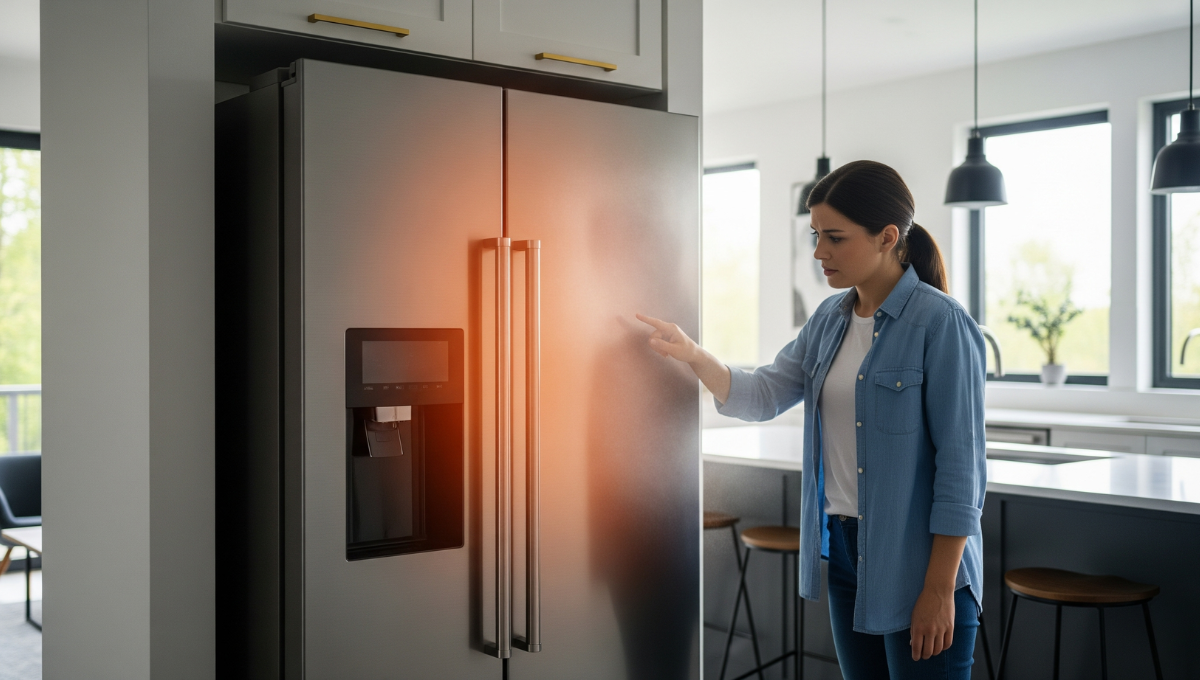
Your refrigerator should be one of the coolest appliances in your home—literally. So when you notice that it’s warm to the touch or, worse, your food isn’t staying cold, it’s a sign something’s not right. A refrigerator getting hot isn’t just inconvenient; it could lead to food spoilage, higher energy bills, and potentially a costly repair if not addressed quickly.
In this guide, we’ll cover the common reasons your refrigerator is heating up, how to troubleshoot them, and what steps to take to fix the problem fast—whether you’re a DIYer or calling in a pro.
🛠️ Common Reasons Your Refrigerator Is Getting Hot
1. Dirty Condenser Coils
Over time, dust, pet hair, and debris can build up on the condenser coils (usually located at the back or underneath the fridge). These coils are responsible for releasing heat from the unit. When coated in dust and debris, the system struggles to function efficiently, which can lead to overheating.
Fix:
Unplug the fridge and use a coil cleaning brush or vacuum to gently clean the coils. Aim to do this every 6 months as part of routine maintenance.
2. Broken or Blocked Evaporator Fan
The evaporator fan is responsible for distributing chilled air evenly inside the refrigerator. If it’s broken or obstructed by ice buildup or debris, your fridge won’t cool properly, and the motor could overheat.
Fix:
Check for frost buildup or foreign objects around the fan inside the freezer. If it’s not spinning freely, the fan motor may need replacing.
3. Malfunctioning Condenser Fan Motor
The condenser fan’s job is to dissipate heat by cooling both the compressor and the condenser coils.. If the fan stops working, the system can overheat, making the exterior of the fridge feel hot.
Fix:
Pay attention to whether the fan is running while the fridge is on—if it’s unusually quiet or making odd noises, the fan motor may need replacing.
4. Overloaded Fridge
Packing your fridge or freezer too tightly can block airflow, forcing the unit to work overtime to maintain the correct temperature—leading to heat buildup.
Fix:
Keep air vents inside the fridge and freezer clear. Leave space around items to allow proper circulation of cool air.
5. Faulty Door Seals (Gaskets)
If your fridge doors aren’t sealing properly, warm air can seep in, forcing the appliance to compensate—and possibly overheat in the process.
Fix:
Inspect the rubber gaskets for cracks, warping, or dirt. Clean them with mild soap and warm water, and replace if they no longer seal tightly.
6. Compressor Issues
The compressor serves as the central component that drives the entire refrigeration process.If it’s running constantly or getting too hot, it could be failing.
Fix:
Feel the compressor (located at the back). If it’s excessively hot or unusually loud, contact a technician—compressor issues often require professional service.
7. Room Temperature & Placement
Is your fridge placed near a heat source (like an oven or direct sunlight)? External heat can affect its cooling performance and make the appliance feel hot.
Fix:
Move the refrigerator away from heat-producing appliances and ensure it has space for ventilation (typically a few inches from the wall on all sides).
⚡ Quick Troubleshooting Tips
-
🔌 Unplug for a Reset: Sometimes, turning the unit off and on again can reset its system.
-
- 📏 Verify Temperature Settings: Ensure your refrigerator is set between 35°F and 38°F (1.6°C–3.3°C) and your freezer is at 0°F (-18°C) for optimal cooling.
-
💨 Feel for Airflow: Open the fridge and freezer—do you feel cold air circulating? If not, fan or vent issues may be the culprit.
-
🧊 Look for Frost: Excess frost or ice buildup can indicate a defrost system problem.
-
🧼 Clean Vents and Filters: Ensure all airways are clean and unblocked.
🔧 When to Call a Professional
If you’ve cleaned the coils, checked the fans, and confirmed your temperature settings—and your refrigerator is still overheating—it’s time to call in a certified appliance repair technician. Issues like compressor failure, electrical problems, or sealed system leaks require expert tools and knowledge.
🧊 Preventing Future Problems
-
Clean condenser coils every 6 months
-
Don’t overload shelves or block vents
-
Keep door seals clean and tight
-
Schedule annual checkups if your fridge is older than 5 years
-
Avoid extreme room temperatures (too hot or too cold)
✅ Final Thoughts
A refrigerator getting hot isn’t something you should ignore. The good news? Many issues can be caught early and fixed with basic maintenance or minor repairs. Whether it’s a clogged coil or a faulty fan, identifying the cause quickly can save you time, money, and a fridge full of spoiled food.
